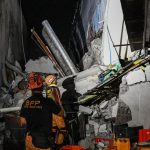
CIREBON NEWS – Iran’s retaliatory attacks on United States (US) allies in the Gulf region caused significant damage. Energy facilities in Saudi Arabia, the UAE, Kuwait and Bahrain all suffered damage from Iran’s retaliatory attacks.
Seeing that its partners in the Middle East need large funds for repairs, Washington plans to send aid. However, the aid is in the form of Iranian money which is currently frozen.
It’s a shame that Tehran immediately protested because the money legally belonged to Iran. In the peace talks proposal, Tehran also included points for disbursement of Iranian assets frozen by the US. Apart from that, Tehran also asked for compensation for the damage caused by the US and Israel.
Also Read: Jordan Helps Israel Intercept Missiles Fired by Iran, Bab el-Mandeb Strait Has Been Controlled by Yemen’s Houthis
Meanwhile US President Donald Trump has plans to divert frozen Iranian assets to rebuild energy and other infrastructure damaged by Tehran’s retaliatory attacks on Gulf Arab countries.
Bloomberg and CBS News reported that the US Treasury Department plans to use “all available authorities” to make Iranian assets accessible and useful for improving the infrastructure of allied countries.
Tehran’s assets could be freed up for rebuilding and repair efforts related to future damage caused by Iran, CBS reported on Saturday, citing sources familiar with the thinking of US Treasury Secretary Scott Bessent.
Also read: Iran attacks Israel again with a barrage of missiles, Zionist officials are furious and want Tehran to burn
Bloomberg said that Bessent directed Treasury officials to assess conditions among US allies in the Persian Gulf and requested a comprehensive estimate of the damage caused since the start of the conflict.
The outlet said the department would also consider whether Iranian assets could be used to cover up “past harm” blamed on Iran-backed groups.
The initiative comes as indirect talks between Washington and Tehran stalled over Iran’s demands to access frozen funds. Mohsen Rezaei, a military adviser to Supreme Leader Ayatollah Mojtaba Khamenei, said on Friday that the deal was contingent on the release of $24 billion in Iranian assets.
Also read: United States Navy Blockade Seizes Iranian Ship, Tehran Calls This Action Piracy
“This is our own money, not America’s money,” Rezaei told CNN, calling the demands a test of trust for US President Donald Trump.
Iranian Deputy Foreign Minister Kazem Gharibabadi told Mehr News Agency that Tehran wants at least $12 billion released immediately after signing the memorandum of understanding with the US, while the rest should be released within “no more than a month or two.”
Since the US and Israel launched attacks on Iran on February 28, both sides have largely refrained from directly targeting oil and gas infrastructure. However, in mid-March, Israel attacked the world’s largest natural gas field in South Pars, crippling 12% of Iran’s gas production.
Also read: Iran and the United States exchange fire again, CENTCOM attacks Sirik Island, IRGC missiles launch into Kuwait
Tehran maintains that energy infrastructure in Gulf Arab states hosting US troops has been a direct and legitimate target. Energy facilities in Saudi Arabia, the UAE, Kuwait and Bahrain all suffered damage from retaliatory attacks, before a Pakistani-mediated ceasefire took effect in April.
The US reportedly promised to unblock some Iranian assets to bring Tehran to the negotiating table in Islamabad, although it has publicly called such demands unacceptable.
Trump has repeatedly criticized his predecessor, Barack Obama, for allegedly sending Iran billions of dollars in “pallets of cash” under the 2015 nuclear deal, which Trump unilaterally withdrew from during his first term.