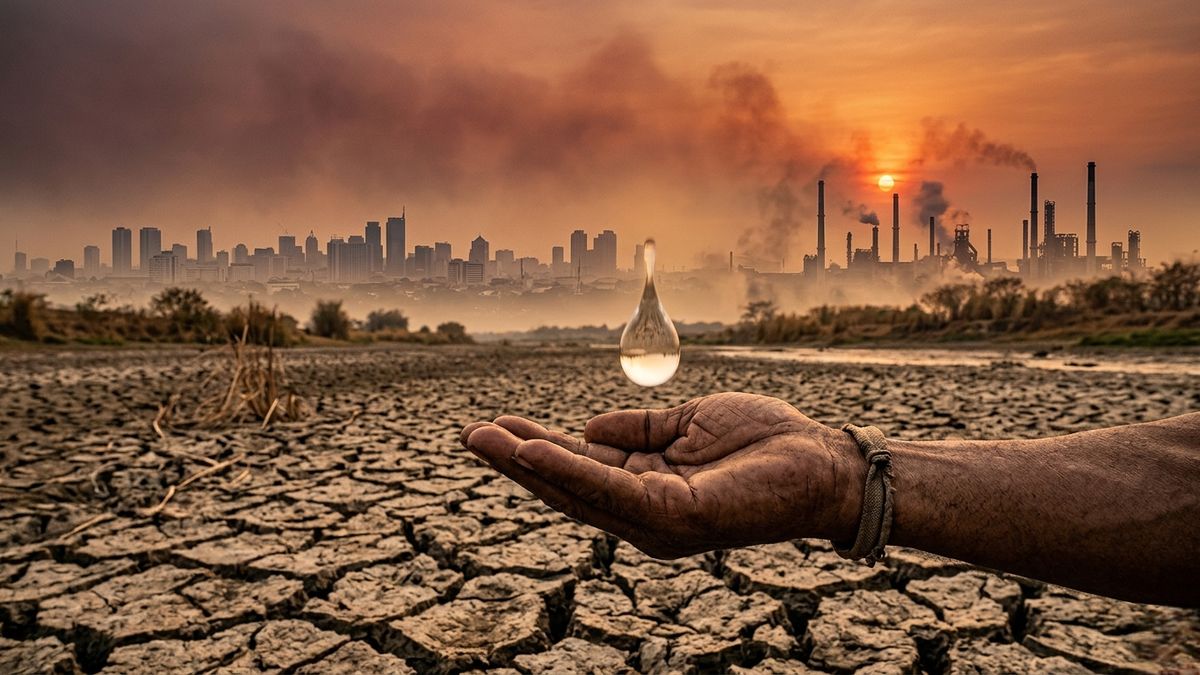
OUR DRIVE-A number of world meteorological institutions have warned of the potential return of the El Nino phenomenon in the second half of 2026.
This condition is predicted to trigger hotter and drier weather in a number of Asian regions, including Southeast Asia.
The World Meteorological Organization says sea surface temperatures in the central and eastern Pacific Ocean continue to show a warming trend.
Also Read: Tecno Camon Slim Debuts with Slim Design and Unique Notification Light Feature
Based on the latest projections, the chance of El Nino forming reaches around 80 percent in the period June to August 2026, and increases to above 90 percent in the following months.
In Southeast Asia, the development of El Nino has the potential to bring weather conditions that are hotter and drier than normal.
Meteorological authorities in Singapore estimate that this phenomenon could last from the middle of the year and increase the risk of transboundary haze due to land fires in regional areas.
Also read: Actress Chae Won Bin confirmed to be included in the cast of the series Moving Season 2
A number of meteorological agencies also highlighted the possibility of a strong to very strong El Nino forming at the end of 2026.
The Australian Bureau of Meteorology even said that the phenomenon currently developing has the potential to be one of the strongest in recent decades, although the extent of the impact will still depend on developments in atmospheric and ocean conditions in the next few months.
The El Nino phenomenon is known as warming sea surface temperatures in the tropical Pacific region which can change global weather patterns.
Also Read: Apple Develops Touch Screen MacBook with OLED Panel
The impacts differ in each region, ranging from droughts and heat waves in parts of Asia to increased rainfall in several regions of the Americas.
Apart from having an impact on the weather, El Nino also has the potential to affect the world food sector. Analysts warn of the risk of disruption to production of commodities such as coffee, cocoa, sugar and palm oil if dry conditions persist for a long time.
However, a number of countries currently have better food reserves compared to the previous El Nino period so the impact is expected to be more controlled.
Also Read: Police Save 400 Cats from Meat Trafficking Syndicate in Vietnam
Experts assess that the next few months will be an important phase to monitor the development of El Nino.***