The 2026 FIFA World Cup, with all the drama that unfolded on the pitch, officially came to an end after Spain lifted the trophy for the second time by defeating Argentina 1-0 in the final at New York New Jersey Stadium in the United States on Monday, July 20, 2026.
However, the controversy continued after FIFA declared the tournament—its first featuring an expanded 48-team format—a major success.
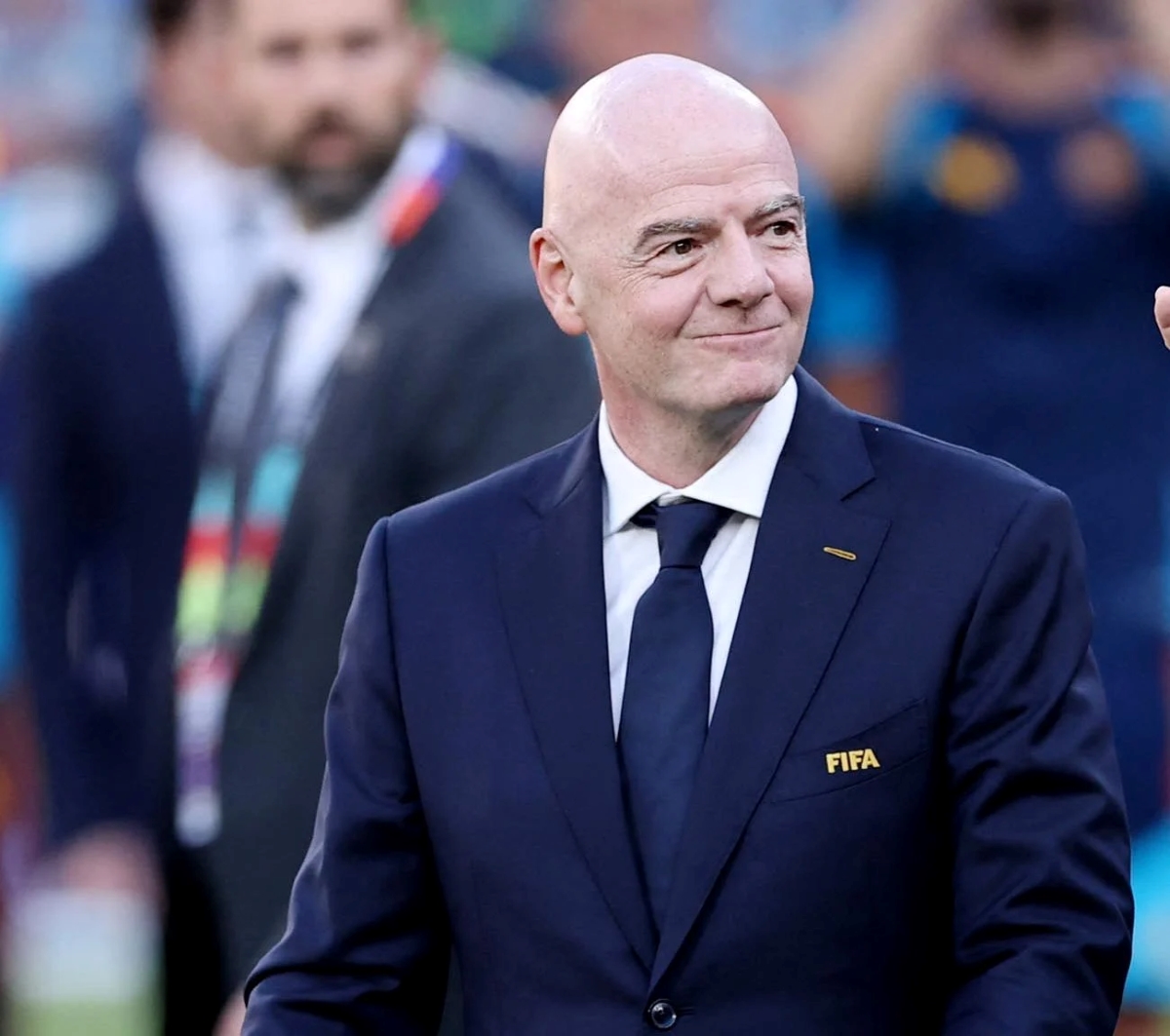
One of the central figures facing scrutiny is FIFA President Gianni Infantino. Calls for his resignation, criticism of the tournament’s format, concerns over an increasingly congested match schedule, and FIFA’s relationship with commercial and political interests in the United States have all fueled the controversy surrounding the conclusion of the 2026 World Cup.
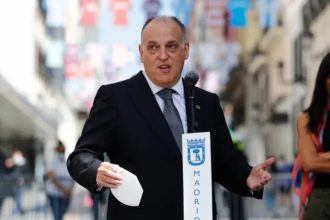
The strongest criticism came from LaLiga President Javier Tebas, who openly called on Infantino to resign as FIFA president.
According to Tebas, the 2026 World Cup reinforced the perception that FIFA is increasingly prioritizing business interests over the interests of football.
“This World Cup has shown that FIFA’s model no longer places football as its top priority. It is time for a change in leadership,” Tebas said, as quoted by SportBible.
He argued that FIFA has continued to overload the international football calendar, sacrificing domestic competitions and players’ well-being.
In his view, commercial success is not sufficient justification for disrupting the balance of the global football ecosystem.
Although FIFA maintains that expanding the tournament has made the World Cup more inclusive, many observers believe the quality of the competition has become less balanced.
The number of matches increased significantly to 104 games, compared with 64 matches in previous editions.
Many critics argue that the tournament has become excessively long and places an unnecessary physical burden on players.
On the other hand, FIFA remains convinced that the expanded format has created greater opportunities for emerging football nations to compete on the world’s biggest stage.
Previously, Infantino said that a World Cup featuring 48 nations would truly make football a global sport by allowing more countries to dream of qualifying for the tournament.
However, the expanded schedule has made the global football calendar even more congested.
Many players were required to complete long domestic seasons before participating in the World Cup, only to return to club competitions just weeks after the tournament concluded.
The situation has raised growing concerns about player welfare.
Several leading European coaches have also criticized the lack of recovery time resulting from FIFA’s increasingly crowded international calendar.
Target of Criticism
It is widely acknowledged that since taking office, Gianni Infantino has significantly increased FIFA’s revenue through sponsorship deals and broadcasting rights.
However, following the 2026 World Cup, those financial achievements have themselves become the subject of criticism.
Many observers argue that nearly every major FIFA decision—from expanding the number of participating teams to match scheduling and kick-off times—has been driven more by commercial considerations than by sporting values.
Further scrutiny has also focused on Infantino’s close relationship with United States President Donald Trump during the tournament.
Infantino appeared alongside Trump on several occasions during official FIFA events.
The relationship prompted criticism that FIFA had become too closely aligned with the political interests of the host nation.
FIFA, however, insisted that the relationship was simply part of its cooperation with the U.S. government in organizing the tournament.
Despite the criticism, FIFA has continued to describe the 2026 FIFA World Cup as the most successful tournament in its history.
Infantino said the competition had broken numerous records.
“This has been the biggest and most successful World Cup in history. We witnessed outstanding matches, packed stadiums, and millions of fans from around the world enjoying football,” Infantino said.
FIFA also highlighted record stadium attendance, unprecedented global television viewership, and increased commercial revenue as key indicators of the tournament’s success.***