News Screen – Tensions between the United States and Iran have increased again ahead of plans for further negotiations scheduled to take place in Pakistan. US President Donald Trump issued a harsh statement threatening to destroy Iran’s vital infrastructure if an agreement was not reached.
In his post on Truth Social social media, Trump emphasized that Washington would no longer be soft on Tehran. He said that without a new deal, the United States was ready to target important facilities such as power plants and bridges in Iran.
This step comes amid a two-week ceasefire between Iran, the United States and Israel which will soon end. The previous conflict was triggered by a surprise attack that occurred at the end of February.
Also read: Strait of Hormuz tensions heat up, Iran insists an agreement with the US is still far away
Negotiations Have Not Yet Reached a Bright Point
Diplomatic efforts have so far failed to produce results. A previous 21-hour meeting in Islamabad on April 11 ended without an agreement. However, both parties are still open to opportunities to continue dialogue.
The chairman of the Iranian parliament and senior negotiator, Mohammad Bagher Ghalibaf, stated that the discussions were still far from the final stage. Meanwhile, Trump claims to have offered a deal that he considers “fair and reasonable”.
The main issue in the negotiations remains Iran’s nuclear program, including its stockpile of near weapons-grade enriched uranium. Washington said Iran was willing to hand over some of these stocks, but this claim was denied by Tehran.
The Strait of Hormuz is heating up again
On the other hand, the situation in the Strait of Hormuz is again in the spotlight. Iran has closed the strategic route through which around one-fifth of the world’s oil and gas is distributed again after being briefly opened.
This closure was a response to the US naval blockade of Iranian ports. Tehran views the move as a violation of the ceasefire and a form of economic pressure.
Iran’s Revolutionary Guard even warned that ships passing without permission would be considered a threat and could potentially become military targets.
Security Tightened in Islamabad
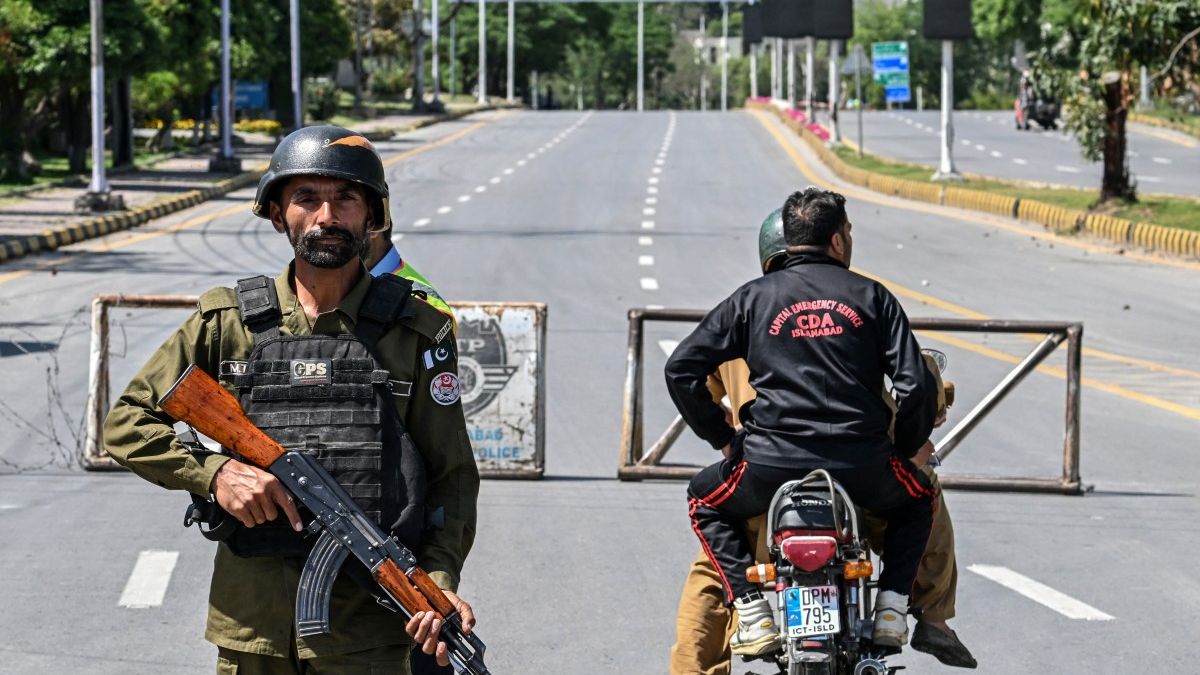
Ahead of a possible follow-up meeting, the Pakistani government increased security in Islamabad. A number of roads were closed and traffic restrictions were imposed, especially around strategic locations and hotels where foreign delegations were staying.
The United States delegation is expected to arrive on Monday evening, although there is no official schedule for the next negotiations.
Global Impact Starting to Be Felt
This tension not only has an impact on the Middle East region, but also triggers global concern. Shipping activity in the Strait of Hormuz has decreased drastically, while security incidents against tankers have begun to be reported.
This situation has the potential to disrupt world energy supplies and increase uncertainty in international markets. The Iranian government emphasized that restrictions in the Strait of Hormuz will continue as long as pressure from the United States is not lifted.***