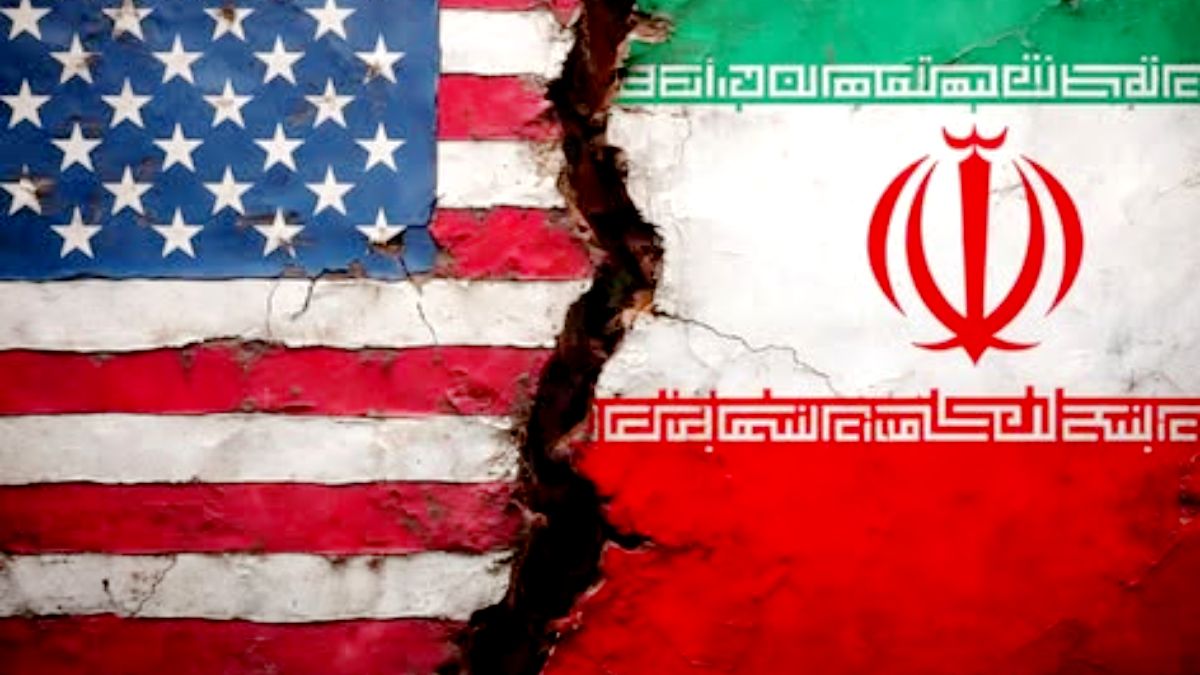
Garut PR- The 14th day of the ceasefire between the United States and Iran did not bring calm, instead it brought increasingly suffocating tension. Tuesday (21/4/2026) was a day that should have been decisive, but instead of certainty, the world was instead treated to a terrible emptiness, Tehran has not yet answered whether they will attend the second round of negotiations in Islamabad, Pakistan.
In the midst of this threat-filled silence, President Donald Trump again broke the atmosphere with a strong statement that resounded like war drums.
Also read: US is acting up again, Iran responds by closing the Strait of Hormuz again
He confirmed that Vice President JD Vance would still fly to Islamabad, a symbol of Washington’s resolve. But behind that, there is a darker warning, if diplomacy fails, then destruction will be the next language.
Trump doesn’t just talk. He hinted at the possibility of unleashing military force of great destructive power against Iran, a threat that hangs like a ticking time bomb. Furthermore, he implicitly closed the possibility of extending the ceasefire, as if giving the world an ultimatum, deal or break.
Also Read: Iran Tightens Control of the Strait of Hormuz, World Highlights Legality of Ship Import Duties
Meanwhile, from Tehran, the tone that emerged was cold and unmoving. Iran’s Foreign Ministry spokesman, Esmail Baghaei, firmly stated that there were no plans to resume negotiations. The statement fell like a sledgehammer on hopes of diplomacy.
“There is a clear contradiction between America’s words and actions,” he said. Iran has accused Washington of continuing to violate the deal since the ceasefire began on April 8, a charge that has widened the gap in distrust.
Also Read: Iran-US Diplomacy Stalls in Pakistan, Predicted to be a Dire Scenario
In Islamabad, time seems to go by faster than usual. Pakistan, as mediator, is now racing with the remaining seconds. In the last 24 hours, intensive communication was carried out for one goal, preventing the world from falling back into the flames of an even more devastating conflict.
But analysts are starting to speak in a more sombre tone. This is no longer just a diplomatic deadlock, this is a nadir. If Iran is completely absent from the negotiating table, then Trump’s threats could turn from rhetoric into military reality in less than 48 hours.
Will Tehran show up at the last second, saving the fragile peace? Or will we instead witness the final seconds of the lull in the war, before the sky is filled with fire and destruction again? ***