WONOSOBO NEWS — In the midst of increasingly complex global geopolitical dynamics, a country’s position in international relations is an important focus. While many countries choose to join military alliances or certain political blocs, some countries actually take a different path by maintaining neutral status. This attitude is not just a symbol of diplomacy, but part of a foreign policy that has been built over tens to hundreds of years.
The concept of a neutral country has become a global concern again as international conflicts and great power rivalries increase. This status is often seen as an effort to maintain stability, avoid involvement in war, while maintaining national sovereignty. However, not all countries that appear “impartial” can be officially called neutral countries.
Also Read: TOP 5 Countries with the Most Time Zones in the World, Some Reach More Than 12 Zones
What is a Neutral Country?
A neutral country is a country that officially declares that it does not take sides in armed conflicts between countries and is committed not to intervene in wars, except for self-defense. Neutral status is usually recognized in international law or enshrined in the country’s constitution and foreign policy.
In contrast to the Non-Aligned movement which developed during the Cold War era as a political stance not to side with the Western or Eastern blocs, neutral countries have a more specific legal and diplomatic basis. Neutral countries also generally do not join military alliances and maintain independent defense policies.
In the Hague Convention of 1907, the principle of neutrality stipulates that neutral countries must not assist warring parties militarily and are obliged to protect their territory from being used for war purposes.
Also Read: TOP 5 Countries with the Most Neighbors in the World, Is Indonesia Included?
1. Switzerland
Switzerland is the country most identified with neutral status. The country officially implemented permanent neutrality in 1815 after the Congress of Vienna. During the two world wars, Switzerland maintained an impartial position even though it was in the middle of the European conflict area.
Switzerland’s neutrality is internationally recognized and an important part of the country’s identity. Apart from that, Switzerland is also known as the center of world diplomacy because it is the location of various international organizations, including the United Nations in Geneva and the International Committee of the Red Cross.
Even though it is neutral, Switzerland still has armed forces to defend its territory in the event of a security threat.
Also Read: TOP 5 Countries with the Longest Land Borders in the World, Who Has the Widest?
2. Austria
Austria declared itself a permanently neutral country in 1955 after the end of the Allied occupation after World War II. This status is an important condition for the restoration of Austrian sovereignty.
Austria’s constitution confirms that the country will not join military alliances and does not allow the establishment of foreign military bases on its territory. This policy made Austria known as one of the diplomatic mediators in Europe.
3. Ireland
Ireland is known for maintaining a policy of military neutrality since the 20th century. This country chose not to join military alliances such as the North Atlantic Treaty Organization or NATO.
Ireland remains active in United Nations peacekeeping operations, but its involvement is in international humanitarian and stabilization missions, not as part of a specific military bloc.
Also Read: TOP 5 Countries with the Largest Forests in the World, Is there Indonesia?
4. Turkmenistan
Turkmenistan is a country that has had permanent neutral status which has been officially recognized by the UN General Assembly since 1995. The Turkmenistan government has made neutrality the main principle in its foreign policy.
This country in the Central Asian region chooses to keep its distance from regional conflicts and international security alliances. This status is also often promoted as part of Turkmenistan’s national identity.
5. Vatican
Vatican City is also known for maintaining a neutral position in international conflicts. As the center of the world Catholic Church, the Vatican focuses more on humanitarian diplomacy and global peace than political or military involvement.
The Vatican’s neutrality was confirmed in the 1929 Lateran Treaty with Italy. This attitude allows the Vatican to become a mediator on various international issues.
Also Read: 5 Countries with the Longest Coastlines in the World, Is Indonesia First Place?
6. Malta
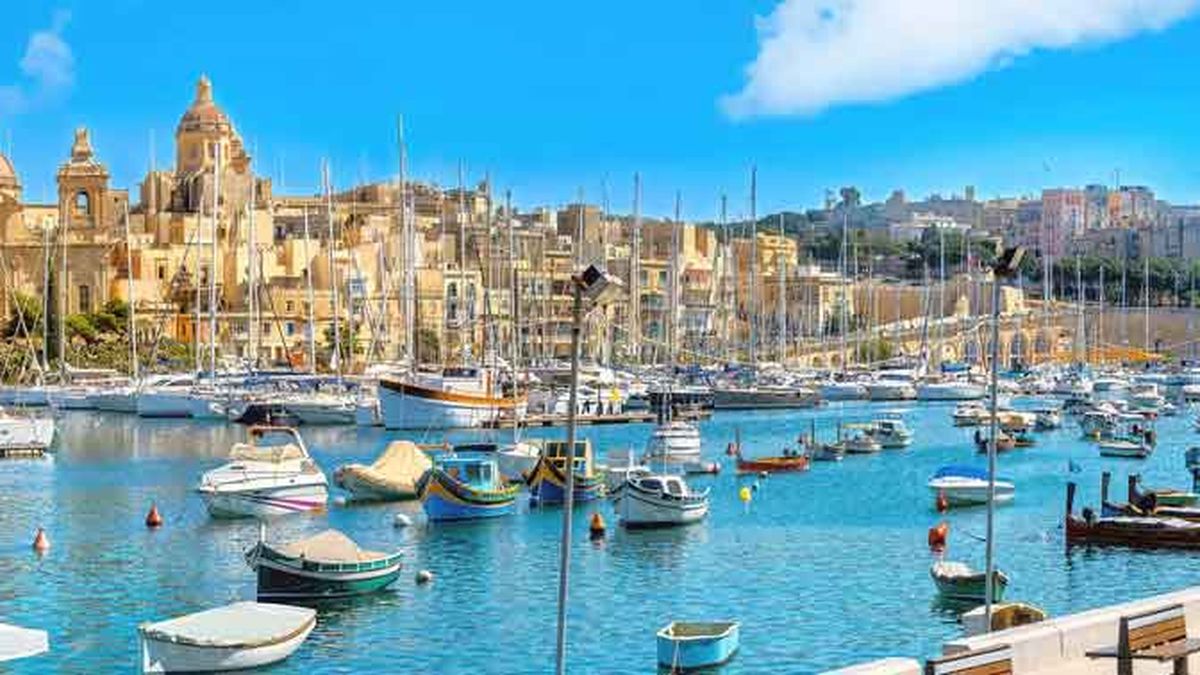
Malta has established neutral status in its constitution since 1987. This small island nation in the Mediterranean Sea is committed not to join military alliances and not to allow foreign military bases on its territory.
Nevertheless, Malta remains active in international cooperation, especially in the economic and humanitarian fields.
Neutral Countries Are Not Always Completely “Silent”
Despite their neutral status, many countries still take diplomatic positions on certain global issues, including imposing economic sanctions or voicing condemnation of violations of international law. Therefore, the modern concept of neutrality is now more flexible than in the past.
Several countries that were previously known as neutral have even begun to change their policies due to global security dynamics. Sweden and Finland, for example, were known as neutral countries for years, but then tightened security relations with NATO after increasing geopolitical tensions in Europe.
In the modern era, the status of a neutral country is not only related to war, but also involves diplomatic, economic and national security strategies. For some countries, neutrality is a way to maintain stability and strengthen their role as international mediators in a changing world.***