THE THOUGHTS OF THE PEOPLE OF SULTENG – At 44, Bukele has established the world’s highest imprisonment rate and abolished presidential term limits. What will happen next? On Friday, March 25, 2022, hundreds of cell phones in the small Central American country of El Salvador lit up with the same text message: “Adelante” (“please”).
The tattooed gangsters of the Mara Salvatrucha (MS-13) have their orders. They went on a rampage, shooting dead 62 people across the country on Saturday, El Salvador’s bloodiest day since the 1980s civil war. On Sunday, 87 people died.
The mass murder was planned. One of the victims was accidentally dumped on the road to Surf City, a tourist development part of President Nayib Bukele’s efforts to position El Salvador as a tropical paradise for tourists and technology entrepreneurs. The gangsters want to send a message to Bukele: this is what happens if you challenge us.
Also Read: Chinese Tourists Affected by Wave of Southeast Asia Flight Cancellations, Singapore Routes Affected
Bukele’s response was very quick. When parliament granted his request for a state of emergency to control gang violence, all constitutional rights were suspended. Suspected gang members, including children, were held in prison indefinitely. Soldiers and law enforcement officers stood guard at checkpoints, stopping buses and asking male passengers to get off and lift their shirts to check for gang tattoos.
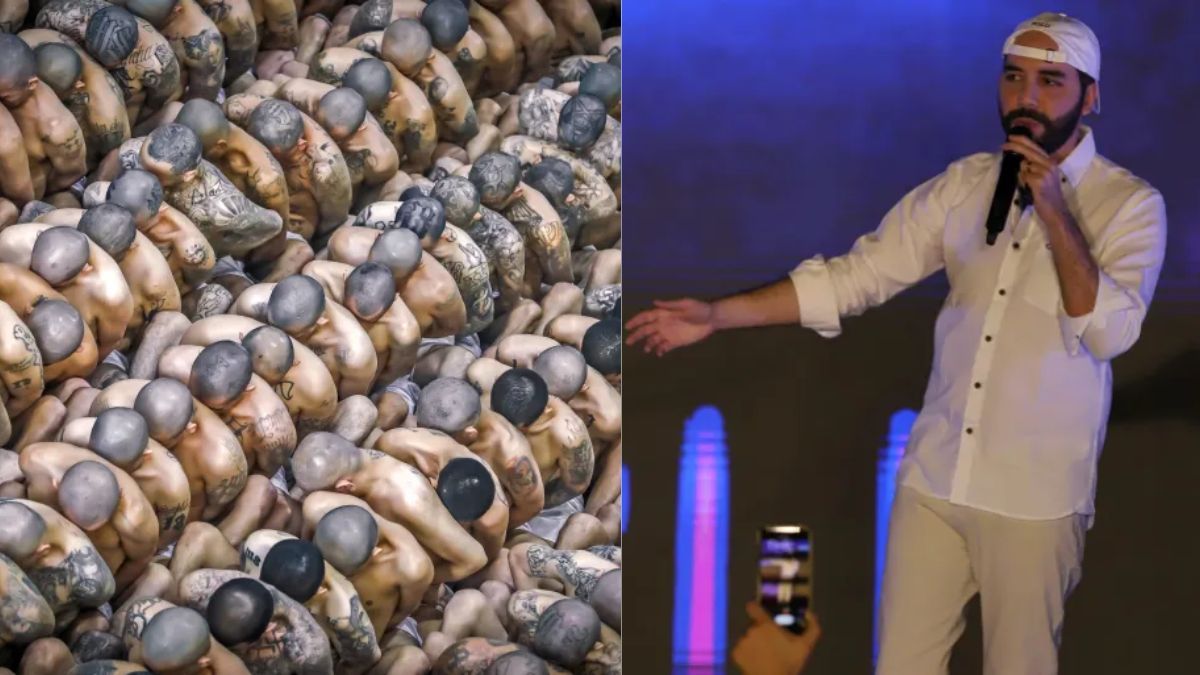
More than 10,000 people suspected of being affiliated with gangs were arrested in just two weeks. In 2026, approximately 1.9 percent of the population, or one in 50 El Salvadorans, was detained, the highest imprisonment rate in the world, raising serious concerns about human rights violations.
A legal study found that the mass arrests may have led to crimes against humanity. According to Bukele’s own admission, thousands of innocent civilians have been caught up in the arrest operation. The state of emergency is now entering its fourth year.
Also Read: Release of Aung San Suu Kyi’s main ally in Myanmar sparks glimmer of hope for democracy
A poll in January showed Bukele’s approval rating at 92 percent. In just a few years, El Salvador has gone from having the highest murder rate in the Western Hemisphere to being the safest. Many people are no longer afraid of walking down the street at night or accidentally straying into the wrong neighborhood.
“They say, this international organization, that he doesn’t give human rights to these gangsters, that he doesn’t give them pupusas [tortilla],” said a businessman standing in San Salvador’s Cuscatlan park, once a robbery hotspot, now a symbol of the capital’s regeneration.
“They say we lived under a dictatorship. But we also lived under a dictatorship before, under the gangs. Now we go to church every week to thank God for the freedom we have now. If this is a dictatorship, sign me up!”
Bukele’s popularity extends abroad. Across Latin America, from Mexico to Chile, citizens fed up with lawlessness are demanding their own Bukele. But there are signs that, in addition to organized crime, journalists and members of civil society have also been arrested, forced into exile, or intimidated into silence by Bukele’s government, under which presidential term limits have been abolished.
“Now he can be re-elected as many times as he wants, and people are being told that if another government comes to power, all the gangs will be freed and the country will return to normal, and that’s why Bukele must stay in power,” said Samuel Ramirez of the Movement for Regime Victims (MOVIR), which helps victims of arbitrary arrests.
Nayib Bukele’s informal, social media-driven style contrasts with the state of emergency that has seen tens of thousands of people detained.
Although his opponents accuse him of being a tyrant, Bukele, 44, projects a dapper, even witty public image, eschewing formal suits and ties in favor of backward baseball caps and bomber jackets.
“He is like a teenager who is always on his cell phone, constantly scrolling through tweets and jumping from one social network to another; he is not a thoughtful person who studies, reads, prepares or is interested in understanding the country’s problems and finding solutions,” Bertha de Leon, a well-known lawyer who handles cases of violence against women, told Al Jazeera. He was Bukele’s lawyer for about five years, but is now one of the president’s harshest critics.
El Salvador is not a major drug trafficking corridor, so cartels like those found in Mexico or nearby Honduras do not exist there. Instead, the mara’s main business is extortion: extorting businesses for protection money. Bus drivers are favorite targets, often killed for driving through gang territory without paying taxes. These gangs control entire neighborhoods through fear, and disrespecting mara members means death.***