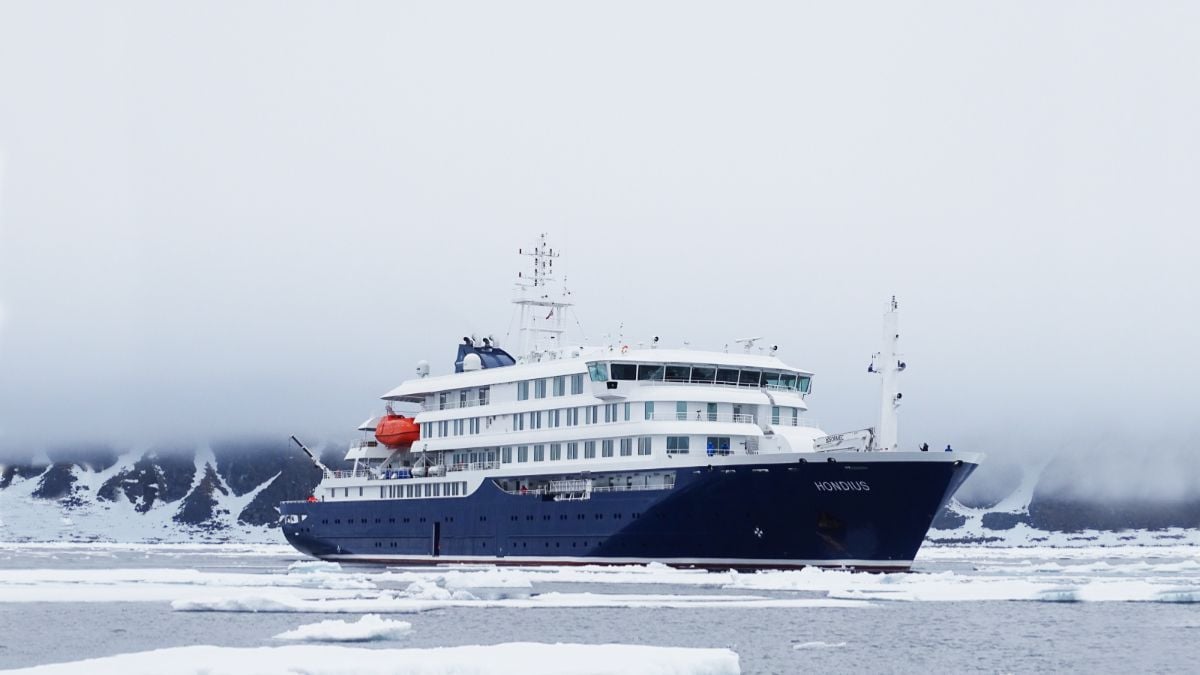
THE MIND OF THE PEOPLE – A Dutch-flagged cruise ship, MV Hondius, was en route to the Canary Islands after being hit by a hantavirus outbreak that killed three people and infected eight other passengers. Reported by The Guardian on Thursday, May 7 2026, the ship which originally sailed from Argentina to Cape Verde became the world’s spotlight after cases continued to emerge even after a number of passengers had left the ship.
The first passengers began falling ill in April with symptoms including fever, indigestion, pneumonia, acute respiratory distress syndrome and shock. As of Thursday, there were eight suspected cases with five of them confirmed as hantavirus through laboratory tests. Three people have died since April 11, including a Dutch husband and wife and a German woman.
The body of a Dutch man who died on the ship was unloaded on Saint Helena Island without being tested. His wife then fell ill and died on arrival at a Johannesburg hospital while on a flight there. Tests confirmed he was positive for hantavirus. Authorities are now tracing everyone who came into contact with him during his trip. The body of the dead German woman was still on board the ship.
Also Read: Hantavirus Outbreak on MV Hondius: 29 Passengers Spread to 12 Countries, Global Tracking Carried Out
A man showing symptoms was evacuated from Ascension Island to South Africa and is currently being treated in ICU, but is reportedly improving. Another man who disembarked in Saint Helena has returned to Switzerland, but sought medical treatment in Zurich after experiencing symptoms and has now tested positive. Three other cases were evacuated to the Netherlands for treatment, including one Dutch crew member, a German woman who flew to Düsseldorf, and Martin Anstee, a 56-year-old British former policeman who worked as an expedition guide on the ship, who is now being treated in hospital in Leiden. On Thursday, a woman in Amsterdam who was thought to be a flight attendant and who had been in contact with the Dutch woman who died in South Africa also came forward with suspected symptoms.
Andean Strain and Human-to-Human Transmission Concern to WHO
Hantaviruses are a large group of viruses that circulate in rodents such as rats and mice. This virus can spread to humans through inhaling droplets or dust contaminated with the urine, feces or saliva of infected animals. Strains those found in America, like those in Argentina, are more violent and causative Hantavirus Pulmonary Syndrome (HPS) which can kill more than a third of infected people.
Also Read: What is Hantavirus? Rare Virus That Killed 3 Cruise Ship Passengers in the Atlantic Ocean
Laboratories in South Africa, Switzerland and Senegal are reading the entire genome of the virus to compare it with previous hantavirus outbreaks. WHO chief Tedros Adhanom Ghebreyesus said the Dutch couple who were the first two cases had previously traveled through Argentina, Chile and Uruguay on a bird-watching trip that included visits to locations where a species of rat carrying the virus was known to exist.
Strains The Andes identified as the cause of this outbreak is a hantavirus that can spread from human to human through close and prolonged contact with someone who is infected in the early phase of the disease. In the 2018–2019 Argentinian outbreak, three people who came into contact with infected rodents spread hantavirus to 34 other people, 11 of whom died.
The MV Hondius is expected to arrive in Tenerife this weekend. Around 19 British citizens still on board the ship will be repatriated on flights chartered by the British Foreign Office if they are free of symptoms. All those who have just returned will be asked to self-isolate for 45 days considering the long incubation period for hantavirus, which is one to six weeks. UK Health Security Agency and WHO emphasized that the risk to the general public remains low.
“This is not Covid, not influenza. The spread is very, very different,” said Maria van Kerkhove, WHO infectious disease epidemiologist.