News Screen – Tensions between the United States and Iran have increased again after US President Donald Trump rejected Tehran’s latest proposal regarding efforts to end the conflict in the Middle East.
In a statement on the Truth Social platform Sunday, Trump called Iran’s response to Washington’s proposal “completely unacceptable.” This statement increases the possibility of a new escalation after several weeks of ongoing negotiations through diplomatic channels.
Previously, Iran conveyed its response to the US peace proposal through Pakistani mediators. The Iranian government emphasizes that it will not give in to foreign pressure and is ready to retaliate if there is a new attack from the United States or its allies.
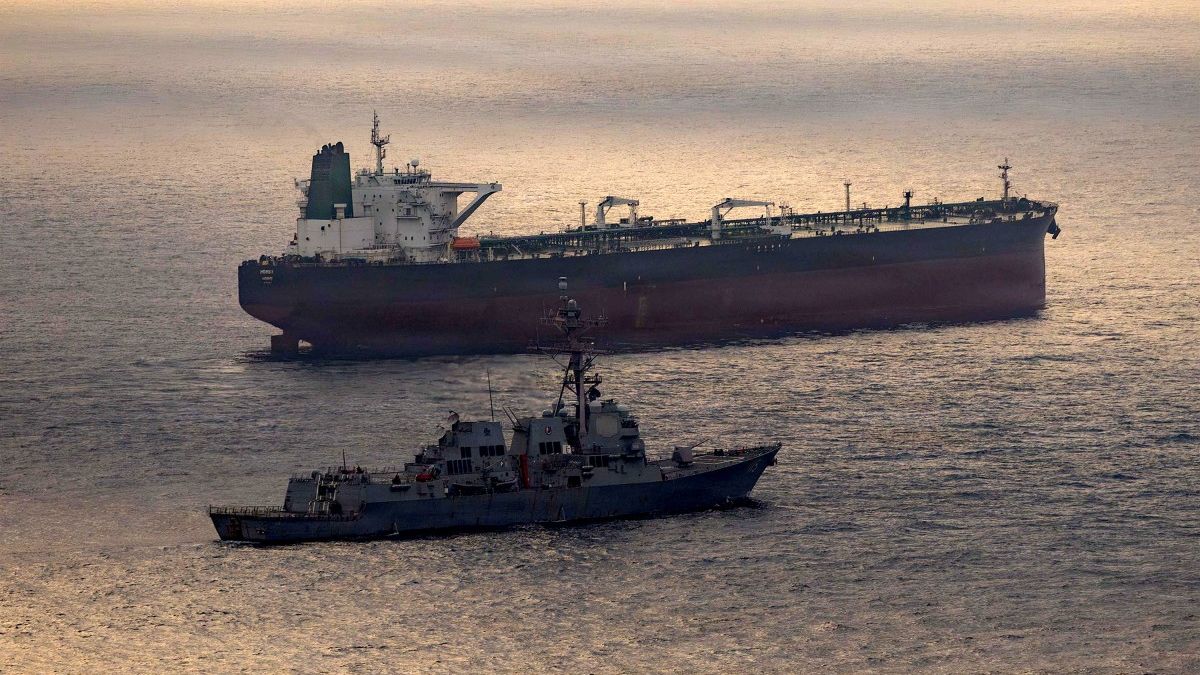
Also Read: Iran’s Revolutionary Guard Threatens to Attack US Bases in the Middle East after Tanker Incident in the Gulf of Oman
Iranian President Masoud Pezeshkian said dialogue should not be interpreted as a form of weakness or surrender. “We will never bow to the enemy,” wrote Pezeshkian via social media X.
In the midst of this situation, Israeli Prime Minister Benjamin Netanyahu emphasized that the war would not end until Iran’s stock of enriched uranium was removed and its nuclear facilities dismantled.
Netanyahu’s statement was made in an interview with CBS’s “60 Minutes” television program. He also claims to have similar views with Trump regarding monitoring Iran’s nuclear program.
Meanwhile, international media reports said Iran proposed that some of the enriched uranium be diluted, while the rest be transferred to a third country on the condition that there is a guarantee of return if negotiations fail.
These geopolitical tensions also influence the global energy market. The price of Brent crude oil reportedly jumped more than two percent in trading at the beginning of the week due to concerns about energy distribution disruptions in the Gulf region.
The situation in the Strait of Hormuz has also become an international concern again. This strategic shipping lane was previously blockaded by Iran at the start of the conflict, triggering a spike in world oil prices.
The British and French governments are said to be pushing for the formation of an international coalition to secure trade routes in the Strait of Hormuz after the conflict. But Tehran warned that the deployment of foreign ships to the area could trigger a firm response.
Iranian Deputy Foreign Minister Kazem Gharibabadi emphasized that the security of the Strait of Hormuz is Iran’s responsibility and cannot be interfered with by other countries.
On the other hand, a series of drone attacks occurred again in the Gulf region. The United Arab Emirates and Kuwait claimed success in intercepting drones that entered their airspace, while Qatar reported a cargo ship suffered a drone attack in its waters.
No party has officially claimed responsibility for the incident. However, a number of Iranian officials warned that any attacks on Iranian ships or interests would be met with direct retaliation against United States military assets in the region.***