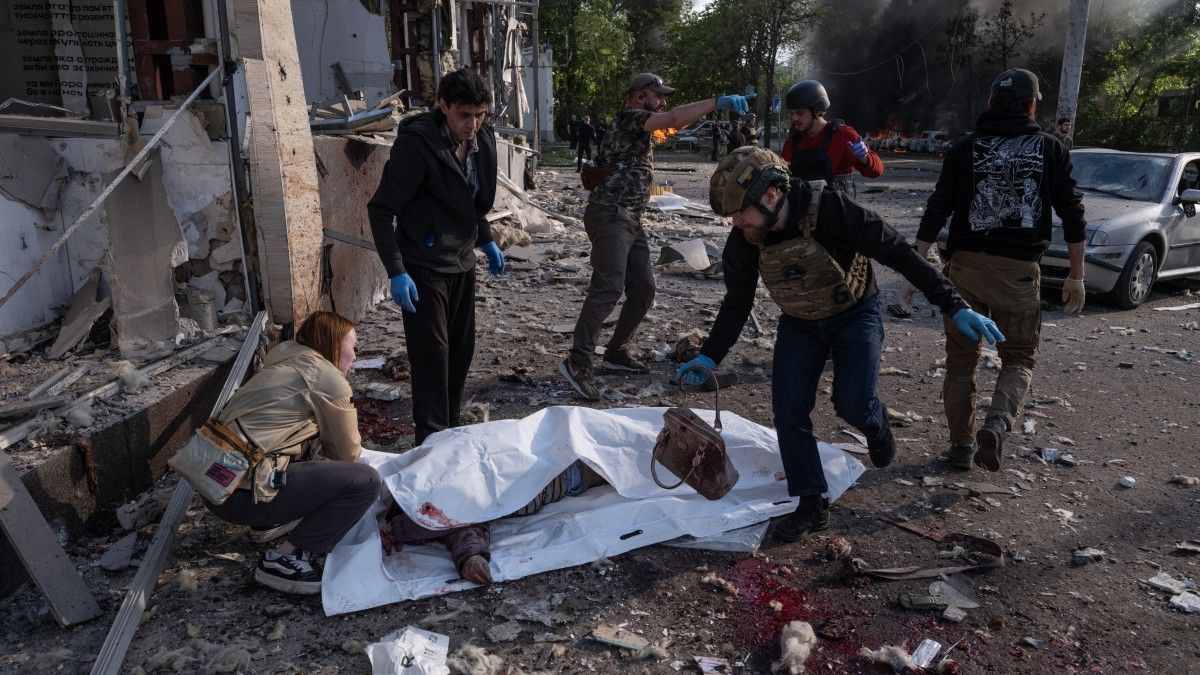
Bulukumba News – Rows of black body bags are slowly lowered from refrigerated vehicles in the Ukrainian military reception area. The air was piercingly cold, while several officers stood still holding incomplete identification lists. There were no triumphant cheers. No long speeches. Only slow footsteps and tense faces waiting for confirmation of the name.
In the midst of the Russia-Ukraine war, which has entered its fifth year, the repatriation of soldiers’ bodies has become one of the few lines of communication that is still ongoing between two countries that continue to attack each other.
Ukrainian authorities say Russia has handed over the bodies of 528 bodies believed to be Ukrainian soldiers who died on the battlefield. The Ukrainian Prisoners of War Coordination Center said all the bodies would undergo an identification process by investigators and forensic experts.
“According to the Russian side, they may be Ukrainian soldiers,” the agency was quoted as saying AFP on Sunday, May 17, 2026.
The handover came just a day after Russia and Ukraine exchanged 205 prisoners of war from each side.
Also Read: Ceasefire on the Edge: US Shoots Iranian Ship, Oil Prices Explode
Also Read: Pentagon Opens 160 Secret UFO Documents, ‘Eye of Sauron’ Report Triggers New Panic
The end of the long tiring wait
Amid drone explosions, artillery strikes and ongoing failed negotiations, prisoner exchanges and the repatriation of bodies have become an enduring space for cooperation between Moscow and Kyiv.
Families of victims in Ukraine continue to flock to military information centers to seek news of family members missing on the front line. Many came bringing old photos, identity documents, and even final messages from the battlefield that had not yet been answered.
For some families, the repatriation of bodies is the end of a long, tiring wait. But for others, the identification process actually reopens wounds that they have been trying to suppress for months.
The Ukrainian government said a forensic team would carry out a thorough examination to confirm the identities of the victims before handing them over to their families.
Also Read: Iran Proposes 14 Points of Peace: From Compensation to the Strait of Hormuz, the World Waits for the US Answer
Also Read: Iran Changes Strait of Hormuz Rules: World Oil Route Now Under Tight Control
Ceasefire and prisoner exchange
Previously, United States President Donald Trump announced a ceasefire for three days from Saturday to Monday. He also revealed plans to exchange 1,000 prisoners from each side.
Ukrainian President Volodymyr Zelensky called the latest prisoner swap the initial phase of the deal.
However, on the ground, the war has not really stopped.
In a number of regions of eastern Ukraine, the sound of explosions was still heard sporadically. Meanwhile in Russia, the families of soldiers serving on the front lines also continue to wait for news that often comes late or never comes at all.
More than four years since the invasion began, the Russo-Ukrainian war is not just about territorial struggles or military strategy. Behind the ever-increasing number of victims, there are thousands of families living between the two most lonely possibilities: waiting for someone to come home, or receiving a body bag that comes to replace them.
On the battlefield, casualty figures are often announced quickly and coldly. But for the families waiting at home, every name that returns still carries a weight of loss that statistics can never quantify.***