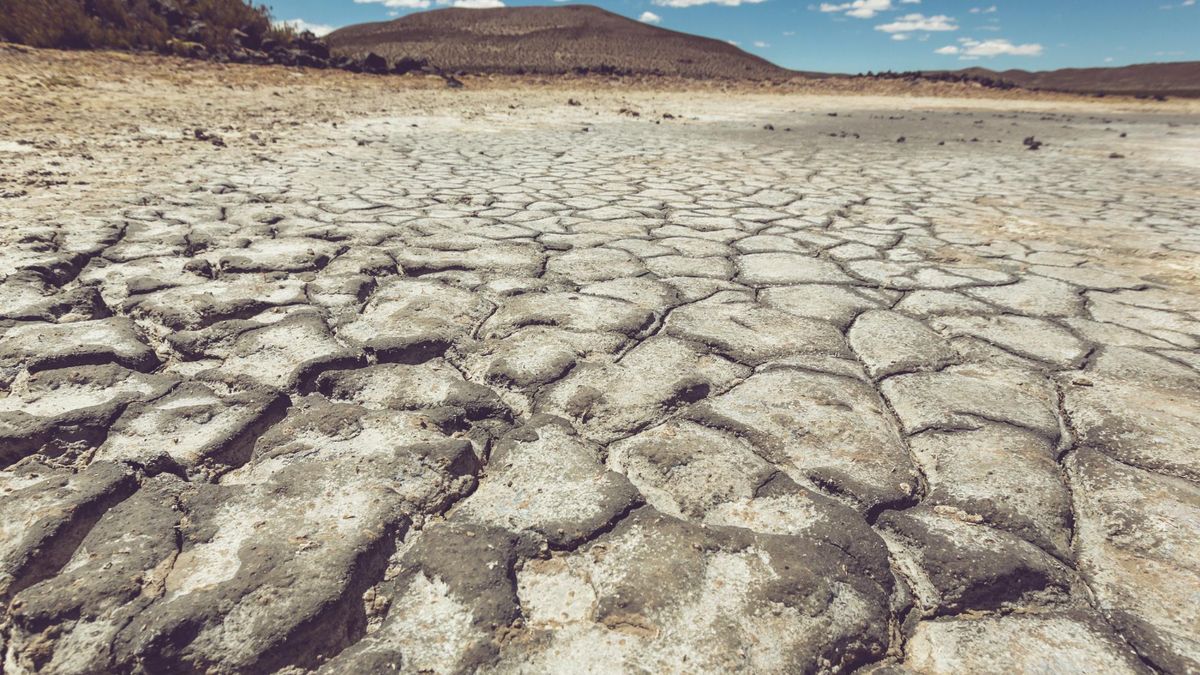
KABARMEGAPOLITAN.com – World Day to Combat Drought and Drought 17 June: definition, history and objectives. Imagine a world where the soil stays healthy, rivers and wells keep flowing, and farms can rely on steady harvests instead of just hoping. That hopeful image is at the heart of World Day to Combat Irrigation and Drought.
World Day to Combat Deforestation and Drought is a practical call to protect soil, restore degraded lands and build resilience to drought.
The day also encourages governments, communities, and individuals to treat land as a living system, not an unlimited resource.
When land is managed well, it grows food, stores water, supports wildlife, and helps stabilize the climate.
Conversely, when soil is forced too hard, it can crumble very quickly.
World Day to Combat Drought and Drought began with a resolution adopted by the United Nations (UN) General Assembly in December 1994.
The resolution establishes an annual commemoration and invites countries to use it to raise public awareness through activities such as publications, documentaries, conferences, roundtable discussions, seminars, and exhibitions focused on international cooperation to combat eviction and the impact of drought.
Also Read: World Environment Day June 5: Raise Awareness About Environmental Issues
This initiative is closely linked to the United Nations Convention to Combat Deforestation (UNCCD), a global treaty created to address land degradation and drought, particularly in dry areas.
The convention emphasizes practical action on the ground combined with long-term planning, including the involvement of local communities.
This convention also highlights that land degradation is not just a scientific problem measured from afar, but also a reality of life for people who farm, graze livestock and depend directly on the land.
Over time, these commemorations have evolved into regular occasions for governments, scientists, educators, nonprofit organizations, and community leaders to exchange information and show what works.
Deforestation is generally defined as land degradation in arid, semi-arid, and dry sub-humid areas, driven by climate variations and human activities.
This definition is important because it clarifies two key points, namely that dry land is not “empty” land, and humans are not helpless in the face of environmental change.
Human choices can contribute to degradation, but they can also restore land and strengthen resilience.
The day’s message is especially relevant, as climate shifts affect rainfall patterns and increase heat stress in many regions.
Also read: History and purpose of World Soil Day December 5, a celebration of one of the most important parts of the ecosystem
Droughts can occur more frequently, last longer, and have more severe impacts when land is already degraded.
By linking drought risk to land health, this alert encourages a holistic systemic view, namely that protecting vegetation, rebuilding soil organic matter, and managing water wisely are not separate projects.
One of the main ideas often discussed today is the neutrality of land degradation.
In simple terms, this is a commitment to prevent the overall “land health balance” from becoming negative.
Prevent new degradation wherever possible, reduce ongoing damage, and restore land that has been damaged.
This is a practical way to describe progress, as it acknowledges that development and land use will continue while emphasizing that restoration must keep pace.
World Day to Combat Deforestation and Drought also highlights that the most affected regions often contribute the least to global environmental pressures.
However, it bears a heavy burden due to land degradation and drought. This is one of the reasons why international cooperation is emphasized.
Sharing technology, funding and expertise can help communities adopt measures such as efficient irrigation, drought monitoring, soil conservation and ecosystem restoration without having to reinvent everything from scratch.***