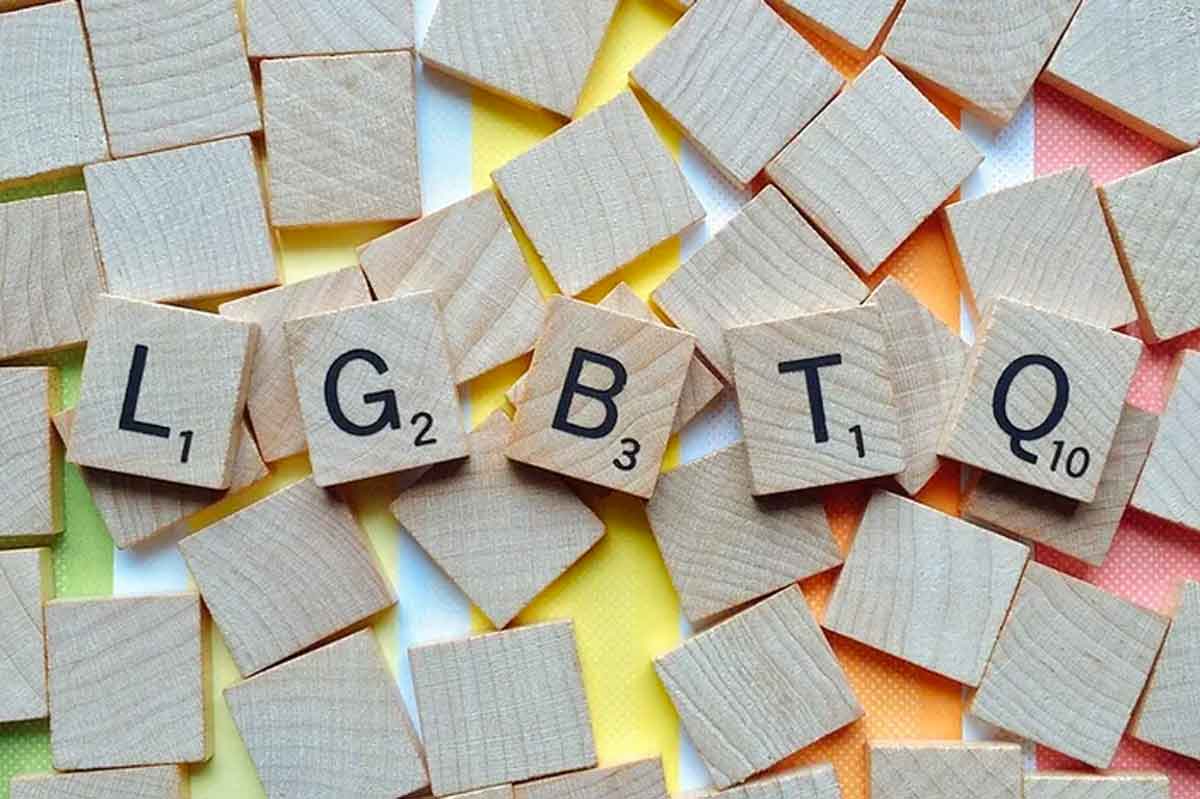
Recently, public attention was drawn to an Instagram post by Pers Suara Mahasiswa UI (SUMA UI) on its official account (@sumaui), which openly celebrated Pride Month. The annual observance is internationally recognized as a symbol of diversity and equal rights associated with the LGBTQ+ (Lesbian, Gay, Bisexual, Transgender, and Queer+) community.
Pride Month traces its origins to the Stonewall Riots, which began in the early hours of June 28, 1969, when police raided the Stonewall Inn, a gay bar in Greenwich Village, New York City, United States.
Shortly after the post went viral, the University of Indonesia (UI) clarified that the content was solely an editorial initiative by SUMA UI and did not represent an official statement from the university. The post has since been removed from the organization’s Instagram account following widespread criticism from social media users.
In January 2026, the Indonesian Ulema Council (MUI) urged the government and lawmakers to expedite the formulation of stronger regulations to prosecute individuals involved in or supporting LGBT activities. According to the MUI, LGBT activities constitute a form of biological and social abnormality that cannot be normalized in Indonesia because they are considered contrary to the first principle of Pancasila and Law No. 1 of 1974 on Marriage.
MUI Deputy Chairman KH M. Cholil Nafis argued that sanctions for what he described as sexual deviance have not been clearly regulated under Indonesian law. As a result, he said, the spread of such ideas could expand rapidly without legal safeguards.
“In my opinion, the punishment should be more severe than the punishment for adultery. There are two offenses involved. The first is committing an immoral act, and the second is engaging in deviant behavior because it involves people of the same sex,” Cholil said in Jakarta on Thursday, June 10, 2026.
Following the proposal, at least 37 national organizations united under the Civil Society Network firmly rejected the initiative. They based their opposition on three primary considerations.
First, they argued that there is ambiguity regarding what constitutes an “LGBTQ+ campaign.” They stated that individuals who provide education about the fundamental rights of all people—regardless of whether they identify as LGBTQ+—are often labeled as promoting LGBTQ+ ideology.
Second, they contended that criminalizing individuals or groups solely based on their identity constitutes hate speech that infringes upon human rights. According to the coalition, public narratives advocating severe punishment for LGBTQ+ communities amount to hate speech already prohibited under Indonesian law, including Indonesian National Police Circular Letter No. SE/06/X/2015.
Third, they argued that plans to criminalize LGBTQ+ individuals and campaigners divert attention from more pressing national issues, such as corruption in the Free Nutritious Meals Program and maintaining national economic stability amid the strengthening of the U.S. dollar.
Government Classifies LGBTQ+ as a Non-Military Threat
Long before the issue gained widespread attention, President Prabowo Subianto enacted Presidential Regulation No. 111 of 2025 on the General National Defense Policy for 2025–2029 on October 24, 2025. The regulation classifies the spread of LGBTQ+ culture and ideology as a non-military socio-cultural threat, alongside the spread of atheism, separatism, and terrorism.
Minister of Human Rights Natalius Pigai also commented on the issue during a press conference in Jakarta on Monday, June 29, 2026. He stated that Indonesian society, across various ethnic, racial, and religious backgrounds, is not yet socially prepared to accept the existence of the LGBT community.
Nevertheless, he emphasized that the fundamental rights of Indonesian citizens remain protected by the state, regardless of an individual’s sexual orientation.
In addition to Indonesia, Russia has adopted similar measures. In November 2023, the Russian Supreme Court upheld legislation banning what it describes as “non-traditional” sexual relations and legal or medical gender transition, while also designating the “LGBT movement” as an extremist and terrorist organization.***