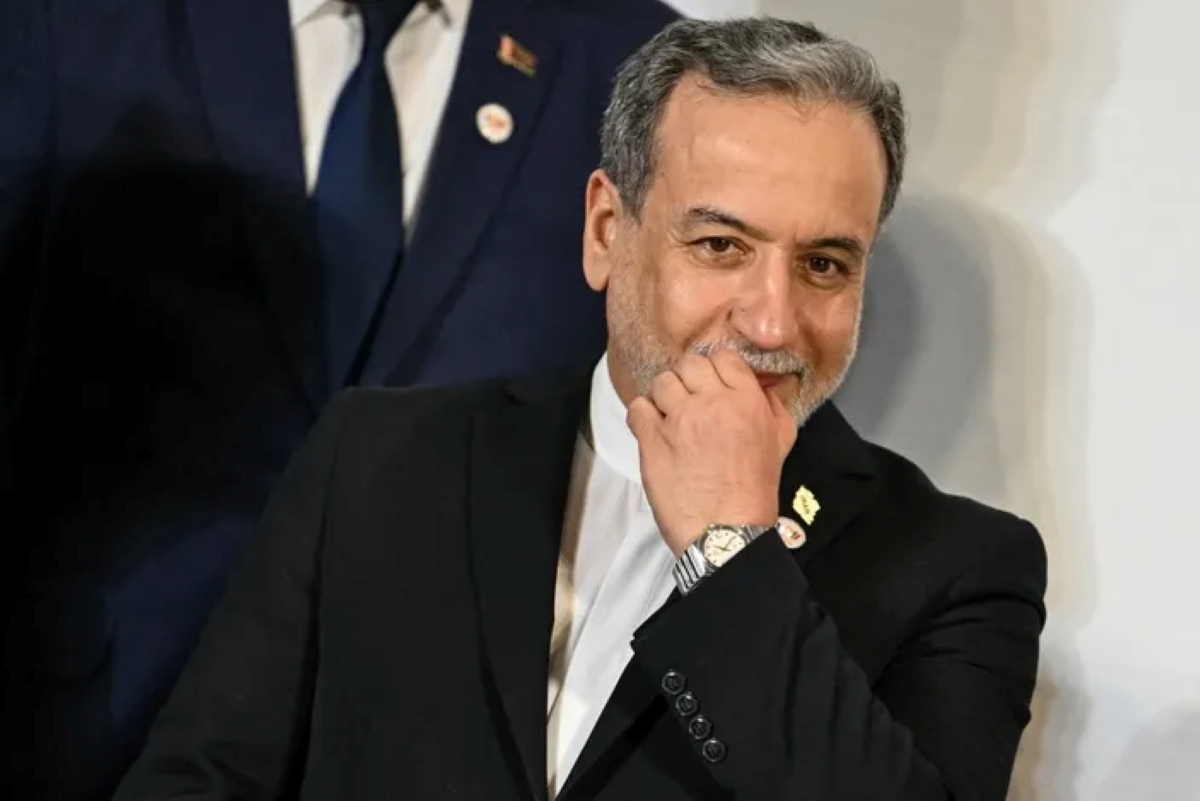
Iranian Foreign Minister Abbas Araghchi has reaffirmed that the Iranian government remains committed to diplomacy despite escalating tensions with the United States.
Although Tehran estimates the chances of achieving a peaceful resolution at only 10 percent, Iran has chosen to continue negotiations in an effort to prevent a broader armed conflict.
Araghchi made the remarks in an interview published on Sunday, July 19, 2026. He explained that from the outset, Iran has sought to make use of every available diplomatic opportunity to safeguard its national interests without being drawn into war.
According to Araghchi, negotiations are not solely aimed at reaching an agreement with the opposing side, but also form part of Iran’s diplomatic strategy to demonstrate that the government has made every effort to resolve disputes through peaceful means.
“Negotiations serve several purposes. One of them is the possibility of finding a way through negotiations to achieve our demands, and we must not waste that opportunity,” Araghchi said in the interview published on Sunday, July 19, 2026.
He acknowledged that the likelihood of successful negotiations remains limited. However, he stressed that this should not deter Iran from pursuing diplomatic efforts.
“We have said that even if there is only a 10 percent chance of achieving an outcome other than war through negotiations, we must seize that opportunity,” Araghchi said.
According to him, every opportunity, no matter how small, should be utilized if it still offers the possibility of reaching a peaceful resolution.
Diplomacy Remains Important Even If Negotiations Fail
Araghchi emphasized that even if the negotiations ultimately fail to produce results, Iran will at least have demonstrated to the international community that it exhausted every peaceful avenue before considering other measures.
He said this approach is important not only for the international community but also for the Iranian people, as it reflects the government’s responsibility to avoid war whenever possible.
According to Araghchi, diplomatic efforts serve as evidence that the government does not automatically rely on military action in responding to an evolving conflict.
His remarks also reflect Iran’s determination to maintain its legitimacy in the eyes of the international community by keeping the door open for dialogue, despite the deteriorating security situation in the region.
US-Iran Tensions Escalate Again
Relations between Iran and the United States have intensified once again since the military operation carried out by the United States and Israel against Iran in February 2026.
The operation triggered a series of retaliatory actions by Tehran.
In response, Iran launched missile and unmanned aerial vehicle (drone) attacks targeting several countries in the Gulf region that host US military assets.
Amid the escalating conflict, the two countries had previously reached a memorandum of understanding mediated by Pakistan.
The agreement was intended to serve as an initial step toward ending hostilities while paving the way for a more permanent peace agreement.
However, tensions flared once more following a dispute over the Strait of Hormuz, a strategic shipping lane that serves as one of the world’s most important routes for global oil distribution.
The disagreement over the waterway reignited exchanges of attacks between the United States and Iran.***