Maintaining memory and brain health does not always require complicated lifestyle changes. Choosing the right fruits and consuming them regularly can be a simple way to support brain function as you age.
While no single food can prevent cognitive decline, eating a variety of fruits as part of a balanced diet may help support blood flow to the brain, communication between brain cells, and overall cognitive function.
According to EatingWell on July 22, 2026, the following five fruits are recommended for their plant compounds that may help promote brain health.
1. Blueberries
Blueberries are rich in anthocyanins, plant compounds that may help support blood flow and communication between brain cells. These functions are essential for ensuring the brain receives an adequate supply of oxygen and nutrients.
Blueberries have also been associated with improvements in memory and executive function, including the ability to plan, maintain focus, and switch between tasks.
Registered dietitian Serena Pratt, M.S., RDN, recommends consuming ½ to 1 cup of fresh or frozen blueberries several times a week.
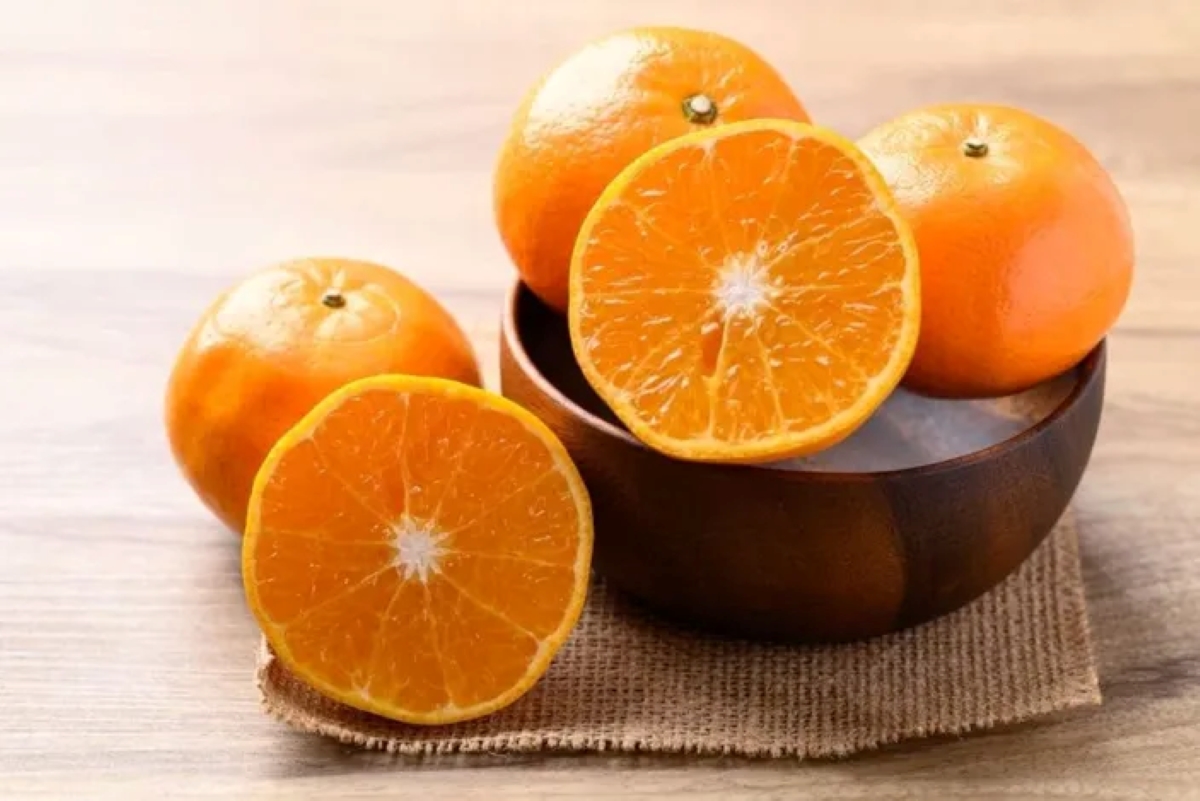
2. Oranges
Oranges are an excellent source of flavanones, including hesperidin and naringenin.
These compounds may help support endothelial function, ensuring that oxygen and nutrients continue to flow efficiently to the brain.
Several studies suggest that consuming flavanone-rich foods, including citrus fruits, may be associated with a lower risk of cognitive decline as people age.
3. Black Grapes
Black grapes, particularly the Concord variety, contain anthocyanins and proanthocyanidins.
These polyphenols are believed to help support healthy blood flow and communication between brain cells.
Eating whole grapes is also a practical way to obtain these beneficial plant compounds while increasing dietary fiber intake.
4. Strawberries
Strawberries are a rich source of pelargonidin, an anthocyanin responsible for the fruit’s red color.
This compound is believed to help protect brain cells from oxidative stress.
According to nutrition expert Nicole Beurkens, Ph.D., M.S., higher dietary intake of pelargonidin has been associated with a lower incidence of Alzheimer’s disease.
5. Pomegranates
Pomegranates are packed with polyphenols, which may help support brain health.
Researchers are also studying these compounds because gut bacteria can convert them into urolithins, substances being investigated for their potential role in improving memory and cognitive function.
Pomegranate seeds can easily be added to yogurt, oatmeal, or salads.
However, larger studies are still needed to confirm their benefits for cognitive function.
Ultimately, there is no single fruit that serves as a “cure” for preserving memory.
Nevertheless, incorporating a variety of fruits into your daily diet can be a simple and effective step toward supporting long-term brain health.***