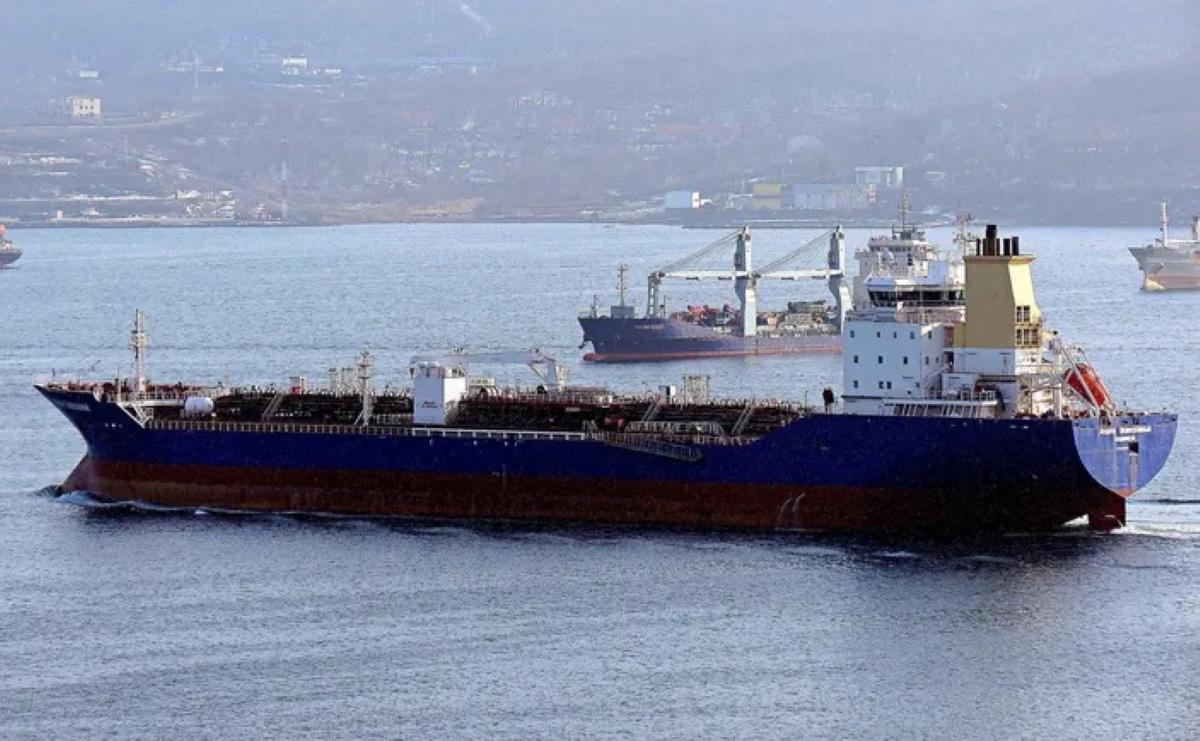
The Indonesian government has condemned the attacks on commercial vessels transiting international waters in the Red Sea. The attacks are considered a violation of international law, a threat to maritime safety, and a potential disruption to global trade and energy distribution.
Indonesia’s position is in line with that of the International Maritime Organization (IMO), which has stated that attacks on merchant vessels in the Red Sea are unjustifiable. The region is one of the world’s most strategic maritime routes for international trade and global oil shipments.
Indonesia Condemns the Red Sea Attacks
In an official statement posted on the Indonesian Ministry of Foreign Affairs’ X account on Friday, July 24, 2026, Indonesia stressed that attacks on commercial ships in the Red Sea violate international law, including the principle of freedom of navigation as enshrined in the United Nations Convention on the Law of the Sea (UNCLOS).
The government also stated that such attacks endanger maritime safety, disrupt international trade, and have the potential to undermine regional stability.
“Indonesia calls on all parties to exercise restraint, avoid actions that could further escalate tensions, and respect international law, including the United Nations Convention on the Law of the Sea (UNCLOS).”
Regarding the conflict in Yemen, Indonesia reaffirmed its support for a peaceful resolution through an inclusive political process led by the Yemeni people under the facilitation of the United Nations (UN), while fully respecting the country’s sovereignty, unity, and territorial integrity.
IMO: The Attacks Are Unjustifiable
IMO Secretary-General Arsenio Dominguez also strongly condemned the recent escalation of attacks on international shipping in the Red Sea.
“I strongly condemn the latest reported attacks against international shipping in the Red Sea region. These attacks are unjustifiable,” Dominguez said, as quoted by ANTARA News.
He emphasized that seafarers are civilians performing essential work to keep the global economy functioning and should never become targets of conflict.
“Seafarers must not be placed in harm’s way or become targets in situations of conflict or instability,” he said.
The IMO has also urged ship operators to conduct comprehensive risk assessments before transiting the Red Sea, which is currently regarded as a high-risk maritime area.
Threats to Global Trade Routes and Oil Supplies
According to the IMO, the Red Sea is one of the world’s most vital shipping lanes for international commerce.
Security disruptions in the region could hinder the movement of goods, increase logistics costs, and disrupt global energy supplies.
Dominguez warned that the continuing attacks could further intensify geopolitical tensions, obstruct international trade flows, and threaten the principle of freedom of navigation.
“The Red Sea is an extremely important maritime route for international trade,” he said.
He also stressed that de-escalation is the only viable path toward preserving regional stability and safeguarding international maritime operations.
In addition, the IMO expressed concern over the risk of marine pollution resulting from incidents occurring in both the Red Sea and the Strait of Hormuz.
The statement followed a series of recent security incidents in the Red Sea.
One of them involved an oil tanker that caught fire off the coast of Saudi Arabia after reportedly being struck by an unidentified projectile.
At nearly the same time, Yemen’s Houthi movement claimed responsibility for a military operation targeting two Saudi oil tankers in the Red Sea.
The IMO recorded more than 20 incidents of attempted or actual piracy and armed robbery against ships in the Red Sea and the Gulf of Aden during the three months leading up to July 6.
The repeated attacks in the Red Sea have once again heightened concerns over the security of global trade routes, including the distribution of crude oil worldwide.
Although the situation has the potential to drive up international oil prices, the Indonesian government has not changed its domestic fuel pricing policy at this time.***