PRIANGANTIMURNEWS – The government continues to make efforts to strengthen national energy security through various international collaborations.
One of them is the plan to import crude oil from Russia which is now entering the implementation stage and has the potential to be developed further.
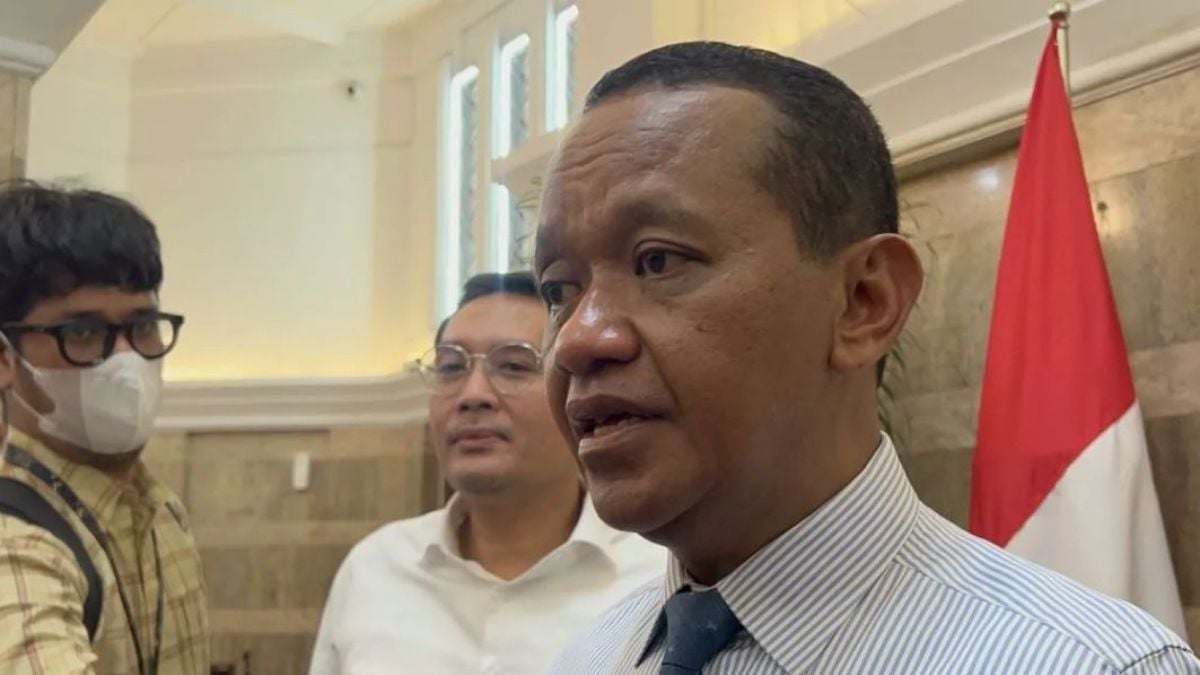
Minister of Energy and Mineral Resources (ESDM) Bahlil Lahadalia, Thursday 25 June 2026 confirmed that the contract to import crude oil from Russia had been implemented through the Oil and Gas Testing Center (Lemigas) which is under the Ministry of Energy and Mineral Resources.
Also Read: GBN Tasikmalaya Selection is Tight: 80 Participants Compete for 4 Tickets to Provincial Level
According to Bahlil, the agreed import volume still has the opportunity to be increased along with the development of cooperation between the two countries. The government will again review the details of the contract to see the potential for expansion.
This energy cooperation is a follow-up to the government-to-government (G2G) agreement between Prabowo Subianto and Vladimir Putin.
Bahlil also admitted that he had established direct communication with the Russian Minister of Energy to strengthen the implementation of this cooperation.
Also read: Knocking on Heaven’s Door: The Struggle of Tasikmalaya City Private Vocational Schools to Break Through the Education Dichotomy
Previously, the Ministry of Energy and Mineral Resources emphasized that Indonesia would continue with plans to import crude oil from Russia even though the shipping situation in the Strait of Hormuz was starting to return to normal after tensions in the Middle East region eased.
This plan is part of a commitment to import up to 150 million barrels of Russian oil which will be realized in stages until the end of 2026.
This policy is also a follow-up to President Prabowo’s state visit to Russia some time ago.
Also Read: Detention Case in Bandung West Java Police Bring in Psychiatric Expert: There is Severe Trauma Behind the Detention Wall
On the other hand, the Russian Ambassador to Indonesia, Sergey Tolchenov, said that the Indonesian government still needed to provide more specific technical details regarding the oil needs to be purchased.
Information such as type of oil, volume, port of destination, and payment mechanism are considered important to complete the contract process optimally.
Energy cooperation between countries does not only depend on political agreements, but also requires mature technical readiness.
Therefore, clear and transparent coordination is the key so that national energy needs can be met safely, efficiently and sustainably. ***