Bulukumba News – The Persian Gulf will still ignite the embers? Cargo ships that usually move slowly in the narrow lane of the Strait of Hormuz chose to hold back, as if waiting for a decision that would determine their fate.
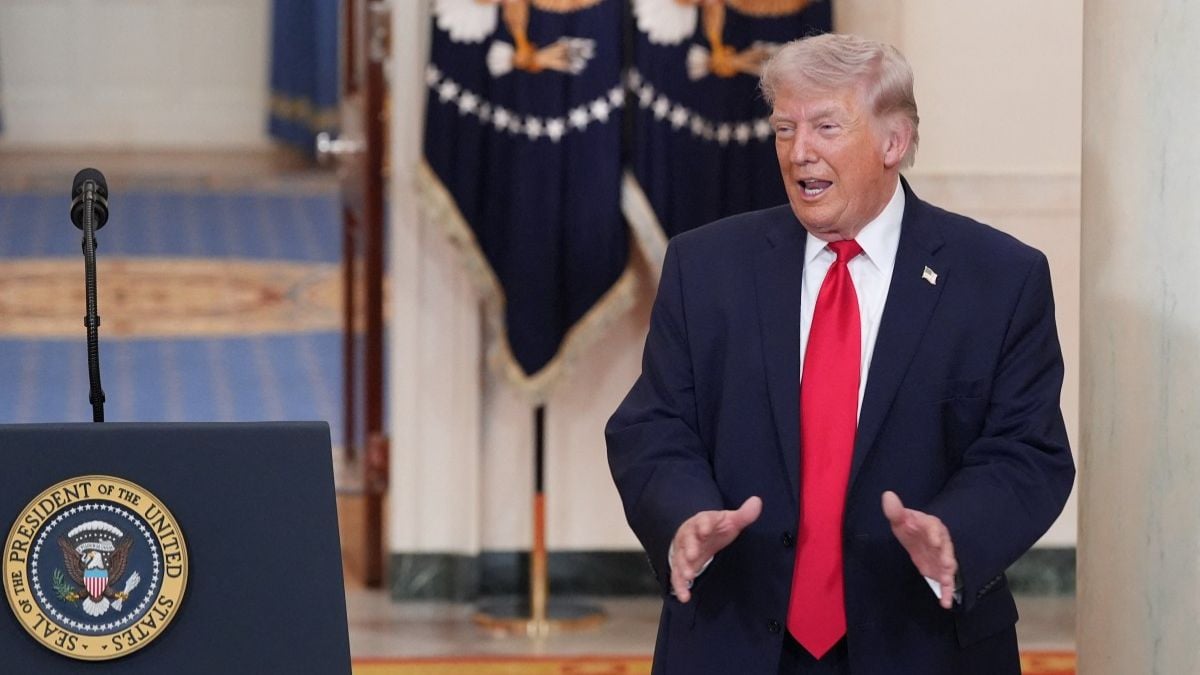
Hours earlier, the world was shaken by a shocking statement from the President of the United States, Donald Trump, who warned that “a civilization could disappear tonight.”
The US military is on alert, strategic targets in Iran have been mapped. The world held its breath.
But at 18:32 Washington time, the course of history changed. In a brief post, Trump announced that the United States and Iran had agreed to halt all attacks for two weeks. A pause. Not peaceful.
Also Read: UN Diplomat Resigns, Reveals Horrifying Scenario: Nuclear Attack on Iran!
In Tehran, morning comes with a strange atmosphere. The streets were still busy, the shops remained open, but people’s conversations were filled with the words “war” and “ceasefire.” The Iranian government immediately announced that it accepted a temporary end to the conflict and would guarantee the safety of shipping in the Strait of Hormuz—a passageway that carries nearly 20 percent of the world’s oil.
The tone of victory also sounded. The Iranian government called this deal proof that it was able to withstand military and diplomatic pressure from the West.
According to reports Al Jazeera on Tuesday, April 8 2026, this ceasefire provides space for negotiations that will take place in Islamabad, Pakistan. Pakistani Prime Minister Shehbaz Sharif called the talks a “step towards peace,” after speaking directly with the Iranian president.
In Washington, this decision was not without pressure either. Over the past 48 hours, Trump has been at a dangerous crossroads: continue his sweeping attacks or back down at the risk of losing political credibility. The harsh threats he made sparked criticism even from within his own party.
One Republican congressman called Trump’s remarks “counterproductive,” while another senator warned that a major attack could be a “huge mistake.” These domestic pressures, combined with surging global energy prices, appear to have contributed to the decision to seek a way out.
Also Read: US Sends Elite Navy SEALs and Rangers: Threat of Seizure of Iranian Oil and Major Escalation
The Strait of Hormuz: The Almost Severed Pulse of the World
The Strait of Hormuz is not just a sea route. It is the artery of the global economy. Every day, around 17 million barrels of oil pass through there. When Iran threatened to close the route, global markets immediately reacted.
Oil prices briefly soared to nearly 110 US dollars per barrel—around Rp. 1.76 million—before finally dropping back below 100 dollars or around Rp. 1.6 million after the ceasefire announcement. US stock markets also jumped, reflecting optimism that the crisis could be easing.
But analysts warn that the recovery will not…