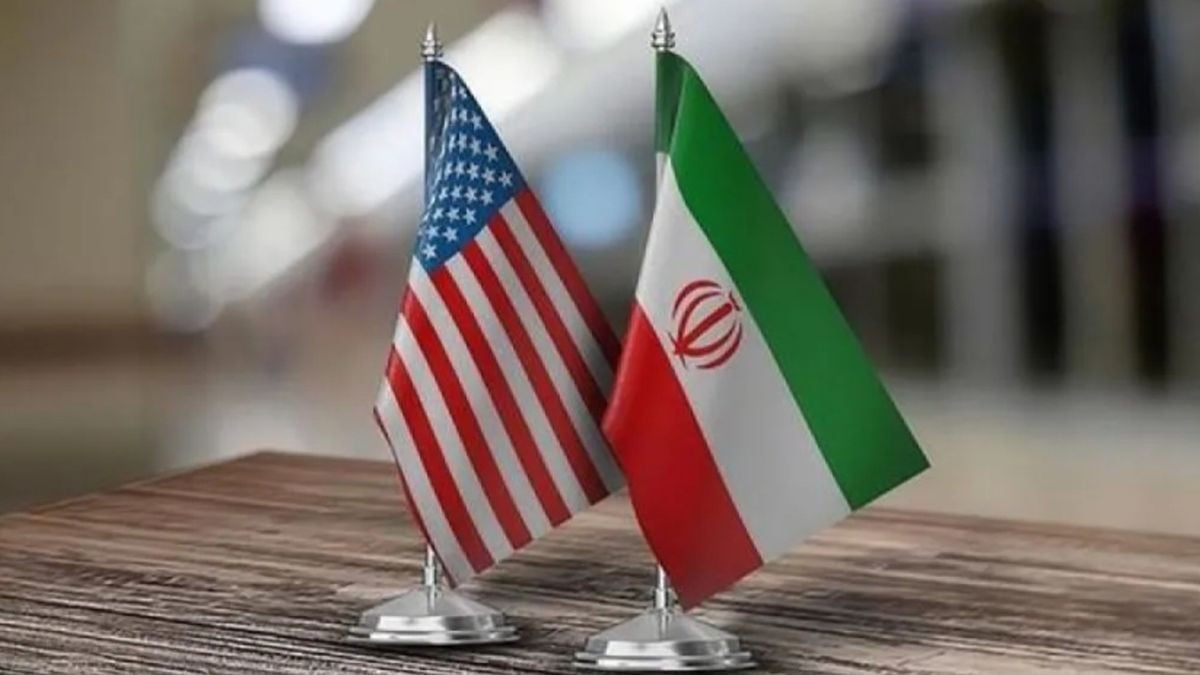
PORTALPEKALONGAN.COM – The world finally breathed a little easier. After 40 days of military tensions that brought the Middle East region to the brink of major war, the Islamic Republic of Iran and the United States (US) officially agreed to a ceasefire for two weeks. This agreement mediated by Pakistan became effective on Wednesday (8/4) local time and is expected to pave the way for permanent peace negotiations.
Last Minute Deal: Pakistan’s Crucial Role
This decision came as a surprise just hours before the deadline (ultimatum) set by US President Donald Trump expired. Through intensive discussions in Islamabad, Pakistani Prime Minister Shehbaz Sharif succeeded in facilitating communication between Tehran and Washington.
In this deal, dubbed the “Islamabad Accord”, the United States agreed to halt the “Epic Fury” air operation, while Iran committed to fully and safely reopening the Strait of Hormuz, the world’s most vital oil trade route, to international traffic.
Also Read: Tensions Rise: US F-15E Fighter Jet Shot Down by Iran, US Claims Rescue Operation Successful
Claim Victory from Both Parties
Although the guns fell silent, the war of rhetoric continued. The White House claimed that this ceasefire was the result of “maximum pressure” and the US military’s success in achieving their operational objectives within 38 days.
On the other hand, Iran’s Supreme National Security Council described this moment as a major victory. Iranian state media cited the retreat from US threats as proof of the resilience of their defense strategy. Tehran emphasized that this ceasefire was accepted with certain conditions, including the protection of their territorial sovereignty.
Global Impact: Oil Prices Fall and Markets Strengthen
The global market reaction to this news was instantaneous. World crude oil prices, which had risen sharply during the conflict, immediately experienced a significant decline after confirmation of the opening of the Strait of Hormuz. Stock indices on various major world exchanges, including the JCI in Indonesia, are predicted to move in the green zone tomorrow as the risk of geopolitical uncertainty reduces.
Also Read: Argentina Expels Iranian Diplomat Envoy
Challenges Ahead: Lebanon and the Fate of Advanced Negotiations
Although the ceasefire covers Lebanese territory and involves halting Israeli attacks on pro-Iranian positions, the situation on the ground is still seen as fragile. The UN has called on all parties to comply with this agreement for the sake of humanity, considering that millions of civilians have been affected.
The next step is a high-level meeting which is scheduled to take place in Pakistan on Friday (10/4/2026). This meeting will discuss crucial points such as humanitarian assistance, the status of Iran’s nuclear program, as well as long-term regional security guarantees so that a similar conflict does not happen again.***