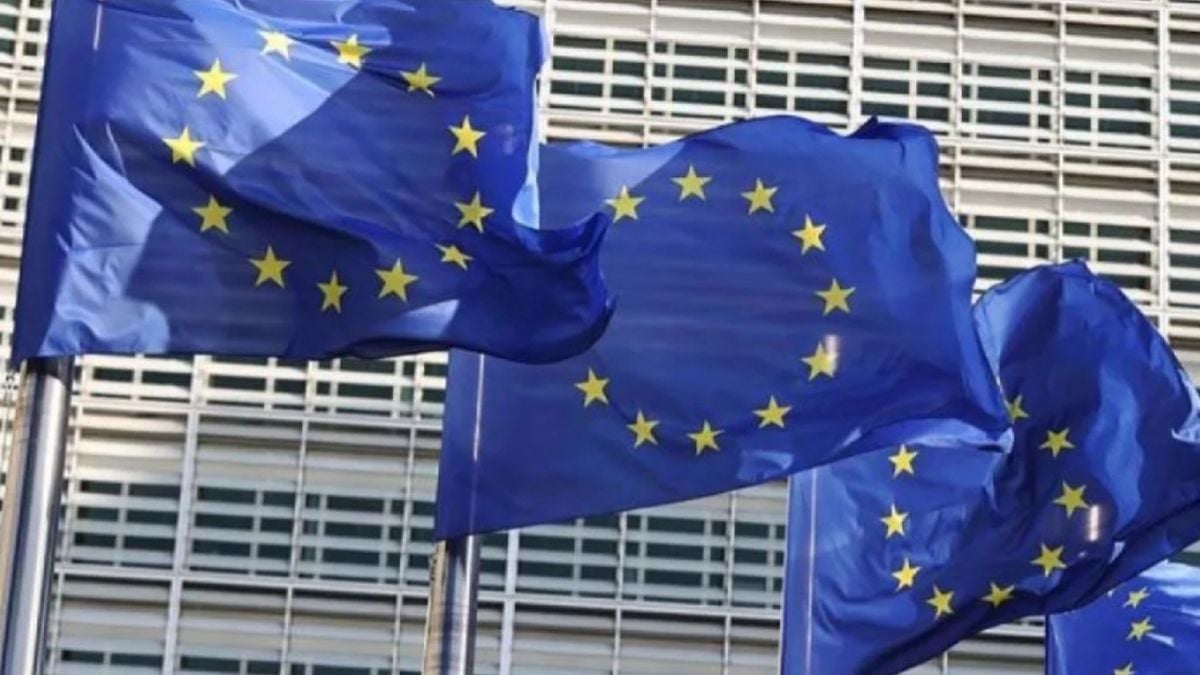
BUTOLPOST — The global energy crisis has again sparked great concern in the European region. The European Commission urges European Union member states to immediately take emergency steps, including encouraging flexible work from anywhere (WFA) policies.
Quoting a Financial Times report, in the latest communication draft, companies are asked to implement at least one remote work day every week as part of an energy saving strategy.
Not only that, the Commission also proposed various incentives such as subsidies for public transportation and cuts in value added tax (VAT) for environmentally friendly technologies, including heat pumps, efficient boilers and solar panels. This step is expected to be able to reduce increasingly limited fossil energy consumption.
Brussels is also preparing new electrification targets as well as supporting the development of social rent programs for green technologies such as electric vehicles and heat pumps. This effort is part of a long-term strategy to reduce dependence on imported energy.
However, the global situation is actually getting hotter. Tensions in the Middle East have increased again after the Islamic Revolutionary Guard Corps announced the closure of the Strait of Hormuz, a vital route that accounts for around 20 percent of the world’s oil and LNG supplies.
This step was said to be a response to the United States Navy’s previous actions limiting maritime traffic to Iranian ports in the region
Even though Washington claims that non-Iranian ships can still pass through without obstacles as long as they do not pay import duties to Tehran, uncertainty still haunts the global energy market.
This condition increases the pressure on Europe, which is still struggling to maintain energy supply stability since the previous crisis in 2022. Now, the combination of emergency policies and geopolitical turmoil makes the situation even more critical and full of uncertainty.***