News Screen — Iran’s Foreign Minister, Abbas Araghchi, blamed the United States for the failure of the latest negotiations between the two countries, amid increasing geopolitical tensions in the Middle East region.
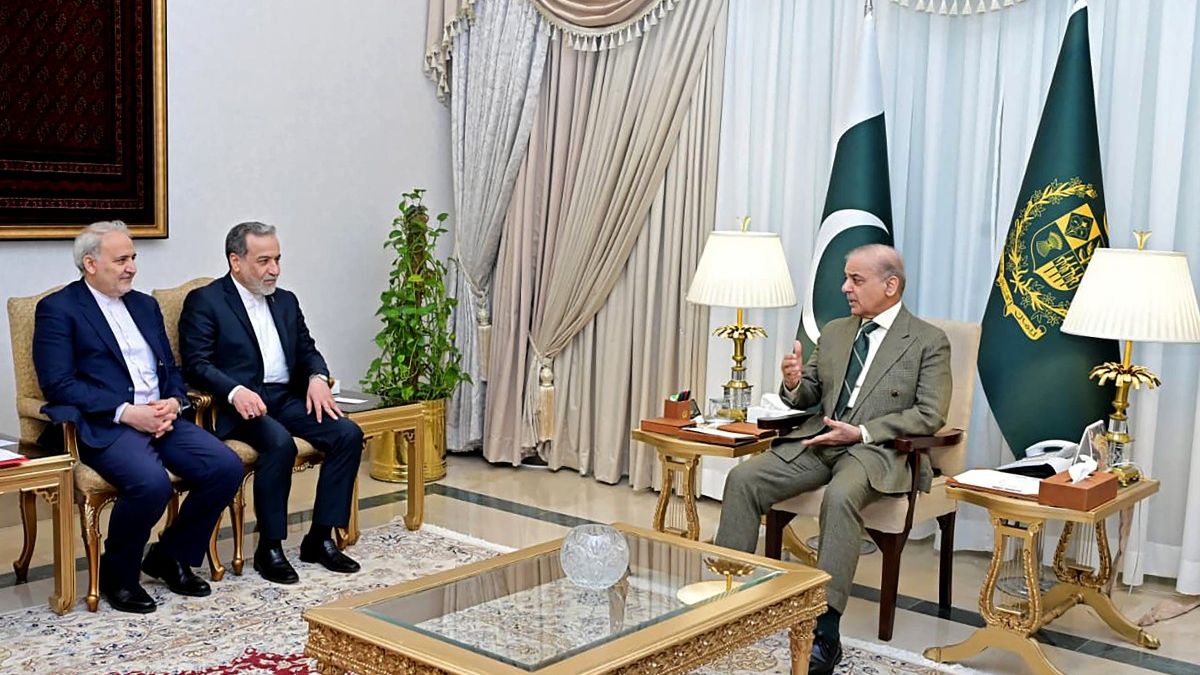
Araghchi made this statement upon arrival in Saint Petersburg, Russia, during a series of diplomatic visits that also included Oman and Pakistan. He is scheduled to meet the President of Russia, Vladimir Putin, to discuss the latest developments in the situation.
According to Araghchi, the previous round of negotiations actually showed progress, but failed to reach an agreement due to demands that were considered excessive from the United States.
Also Read: Iranian Foreign Minister Leaves Pakistan Ahead of US Envoy’s Arrival, Middle East Negotiation Efforts Strengthen
On the other hand, the President of the United States, Donald Trump, stated that Iran still has the opportunity to continue dialogue, even though Washington canceled its envoy’s planned visit. He emphasized that the cancellation did not necessarily indicate an increase in conflict.
Indirect communication efforts are still ongoing. Iranian media reported that Tehran had sent a written message to Washington via Pakistan, containing a number of key restrictions, including the nuclear issue and management of the Strait of Hormuz.
Tensions in this strategic route became the global spotlight after Iran implemented a blockade which had an impact on the world distribution of oil, gas and fertilizer. This condition has triggered an increase in energy prices and concerns about food security, especially in developing countries.
In response, the United States increased pressure by tightening surveillance of Iranian shipping lanes and ports in the region. This situation also puts domestic political pressure on the Trump administration, especially ahead of the domestic political agenda.
Araghchi emphasized that shipping security in the Strait of Hormuz is a global issue that requires intensive communication between coastal countries. However, statements from the Iranian military indicate that the strategy of controlling this route will still be maintained.
Meanwhile, tensions also spread to other regions. In southern Lebanon, the conflict between Israel and the Hezbollah group has heated up again even though a ceasefire has been implemented. Both sides reported abuses to each other, with fatalities reported from the most recent attack.
Israeli Prime Minister, Benjamin Netanyahu, stated that his military would continue to respond to threats deemed to endanger his country’s security.
Until now, various diplomatic efforts are still ongoing, but have not shown signs of a significant breakthrough. This unstable situation continues to have a broad impact, both politically and economically at the global level.***