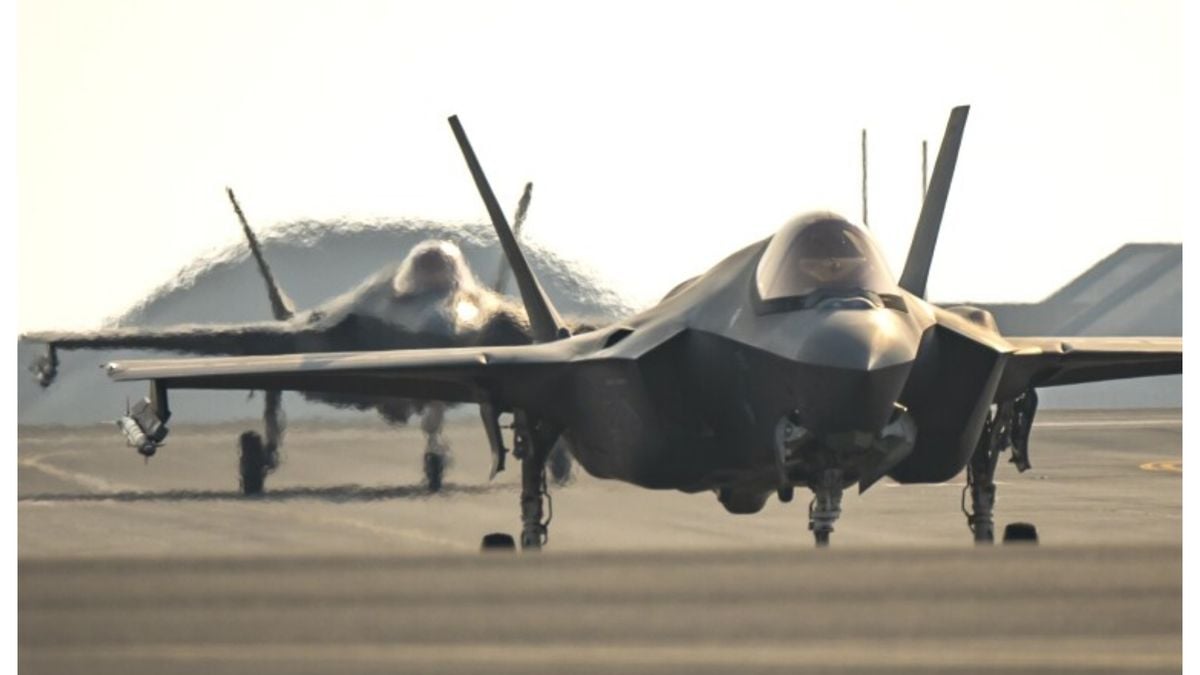
PEAK MEDIA, WHASHINGTON – The costs of the war between the United States and Iran are finally starting to emerge. For the first time, a senior Pentagon official revealed a figure that has long been a question mark: the conflict has cost up to US$25 billion, or around Rp. 432.5 trillion.
This figure was conveyed by Jules Hurst in a joint meeting of the US House of Representatives Armed Services Committee on April 29 2026. He explained that most of the budget was used for direct military needs, especially ammunition.
However, complete details of the use of these funds have not been disclosed. It is unclear whether the figure also includes long-term costs such as repairing military base infrastructure in the Middle East damaged by conflict.
US DPR Finally Gets Answers
This disclosure immediately received a response from member of the US DPR, Adam Smith. He admitted that he was relieved because the legislature had been having difficulty getting official figures regarding the costs of the war.
“We’ve been asking this for a long time, and finally there is an answer,” he said.
Interestingly, the value of US$25 billion is almost equivalent to NASA’s total annual budget. However, this figure also raises new questions, especially regarding the calculation method used by the Pentagon.
Because previously, internal sources said that in just the first six days of the conflict, costs incurred had reached US$11.3 billion.
Also Read: Secret Weapon Leaked? Western concerns increase as Iran is said to have mastered ‘Bunker Buster’ technology
Reasons Behind Fantastic Fees
US Defense Secretary Pete Hegseth defended the large expenditure. According to him, the costs of war are considered commensurate with America’s strategic goals, namely preventing Iran from developing nuclear weapons.
However, domestically, this issue is starting to heat up politically. A war that is considered unpopular has the potential to influence the map of power in Congress, especially ahead of the midterm elections.
Donald Trump’s Republican supporters are expected to face pressure, while Democrats are trying to link the costs of the war to economic issues and the cost of living.
A Fragile Truce
The conflict, which began on February 28, is now entering a ceasefire phase that is still fragile. Although the intensity of the fighting has decreased, tensions have not completely subsided.
The Pentagon has deployed tens of thousands of additional troops to the Middle East region, including three aircraft carriers as part of its military strategy.
So far, the conflict has killed 13 US soldiers and injured hundreds of others, a price measured not only in money, but also in lives.***