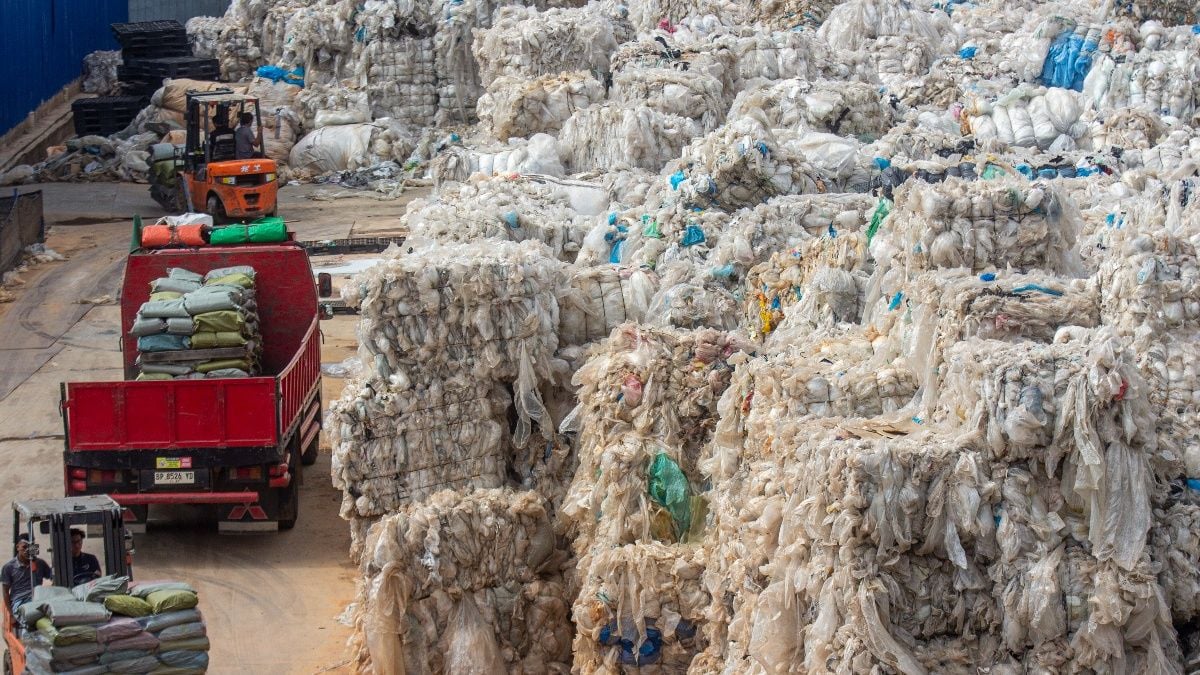
THE MIND OF THE PEOPLE – The spike in energy prices due to the Iran conflict is starting to spread to various sectors, including daily necessities throughout the world. The increase in oil and gas prices has a direct impact on the costs of plastic and chemical raw materials, which then drives up the prices of consumer products.
Based on a Reuters report, the price of PET plastic used for beverage bottles and food packaging in Europe rose around 15.4 percent in mid-March compared to the previous year. In North America, polyethylene prices increased about 29 percent on an annual basis, while in China, prices for standard thermoplastics jumped by almost 44 percent in a short period of time.
This increase is starting to be felt at the retail level. Data from NielsenIQ shows the average price of basic necessities in the United States rose 2.9 percent in just four weeks since the conflict began.
A number of products have experienced quite significant increases. The price of bath soap rose 7.7 percent, shampoo 9.2 percent, toothpaste 6.7 percent, and toilet paper 5 percent. Plastic-based products such as baby diapers, sanitary napkins and tampons also experienced an increase of between 2 and 6 percent. Even food items such as coffee and chocolate were also affected, rising 13.1 percent and 12.2 percent respectively.
- Also read: Plastic prices increase, sales of banana leaves at Astana Anyar Market in Bandung do not increase
On the other hand, several commodities such as milk and eggs actually experienced a decline in prices due to excess supply in the previous year.
NielsenIQ Vice President, Steve Zurek, emphasized that plastic was the main factor in this wave of price increases. “Plastics are at the heart of all this, especially in the household and personal care categories,” he said.
The Wider Impact Has Not Yet Been Fully Felt
Economists assess that the impact of inflation is currently still in its early stages. The United States Consumer Price Index (CPI) rose 0.9 percent in March, but is expected to continue to rise as energy cost pressure continues.
In China, as the world’s largest plastic exporter, the impact of price increases has been felt even more heavily. Peng Xin, general manager of a factory in Guangdong, said prices of petrochemical raw materials had jumped by 50–60 percent since March.
- Also read: Trump urges Iran to immediately sign agreement, port blockade is said to be extended
This condition triggered market panic. In Zhangmutou—the largest plastic trading center in China—there was massive hoarding that caused warehouses to fill up and traffic jams for dozens of kilometers for several days.
This impact was also felt by manufacturing industry players. A cellphone accessory factory owner who supplies products to large retail chains admitted that profit margins, which are usually 10-15 percent, have now been eroded due to an increase in raw material costs of around 15 percent.
Global companies such as Nestlé, Unilever, and Procter & Gamble are said to have the potential to increase the prices of their products in the near future.
Zurek warned that the impact of this price increase would not subside quickly. “Even if the war stopped tomorrow, once prices rise it will take a long time for them to fall again,” he said.***