THE THOUGHTS OF THE PEOPLE OF SULTENG – Tensions in the Middle East, especially in the Persian Gulf region, have again reached an alarming boiling point. The latest report reveals that the United States military has just taken firm action against an Iranian-flagged oil tanker.
The ship reportedly attempted to break through the American blockade, prompting a US military response to disable the ship without sinking it. This incident became a symbol of the ongoing military “game of chess” in one of the world’s most vital maritime trade routes.
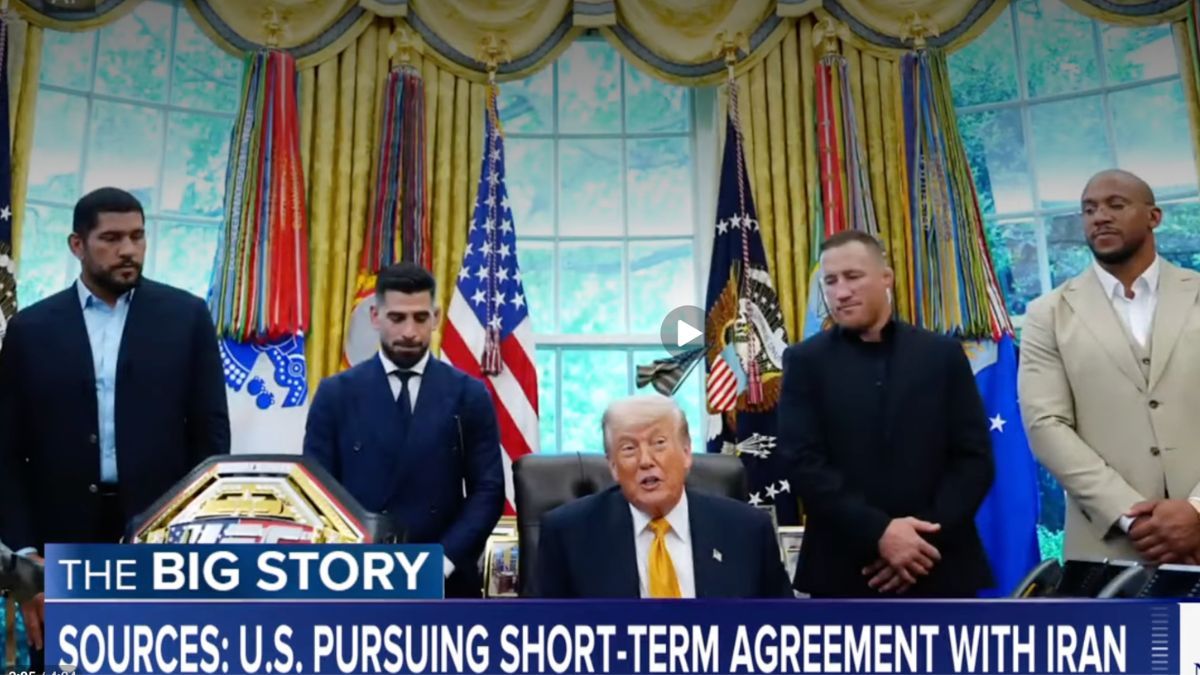
President Donald Trump has publicly stated that although military options remain on the table, even threatening to return to bombing if the deal fails the main focus has now shifted towards fast-track diplomacy.
Also Read: The Collapse of the Mogul’s Kingdom, a New Chapter in the Trial of Sean Diddy Combs
The US strategy, which was originally called “Operation Freedom”, which aimed to pressure Iran through the deployment of massive military assets, is now starting to transform into a one-page memorandum negotiation effort.
The blockade imposed by the United States has had a very heavy economic impact on Iran, crippling its main ports. On the other hand, Iran responded by tightening their control in the Strait of Hormuz, causing more than 1,500 commercial ships to become stuck in these waters. This impasse not only threatens regional security, but also global economic stability due to obstruction of energy logistics flows.
Also Read: Behind the Megastar’s Smile, Justin Bieber’s Hidden Struggle Against Lyme Disease
One Page Memorandum and Hope for Peace
Behind the scenes, diplomats are hard at work drafting a one-page Memorandum of Understanding (MoU) billed as a “bridge” to peace. The essence of these short-term deals is very specific. Iran must restore freedom of navigation for commercial vessels in the Strait of Hormuz. In return, the United States will gradually lift the military blockade of Iranian ports.
This process is planned to take place over a transition period of 30 days. If this MoU is successfully implemented, it will open the door to much more complex negotiations, including the issue of Iran’s nuclear ambitions, ballistic missile program, and the role of Iran’s proxy groups in the region. Allied countries such as France are also pushing for this step, arguing that resolving the waterway crisis is an absolutely necessary first step before touching on larger strategic issues.
However, the road to peace is not smooth. There are still sticking points, one of which is Iran’s demand to be allowed to charge tolls for ships passing through the Strait of Hormuz. Although President Trump expressed optimism that an agreement could be reached in about a week, he also emphasized that there was no rigid deadline. The world is now waiting to see whether this one-page diplomacy can reduce the boom of the cannons that are ready to fire in the Persian Gulf.***