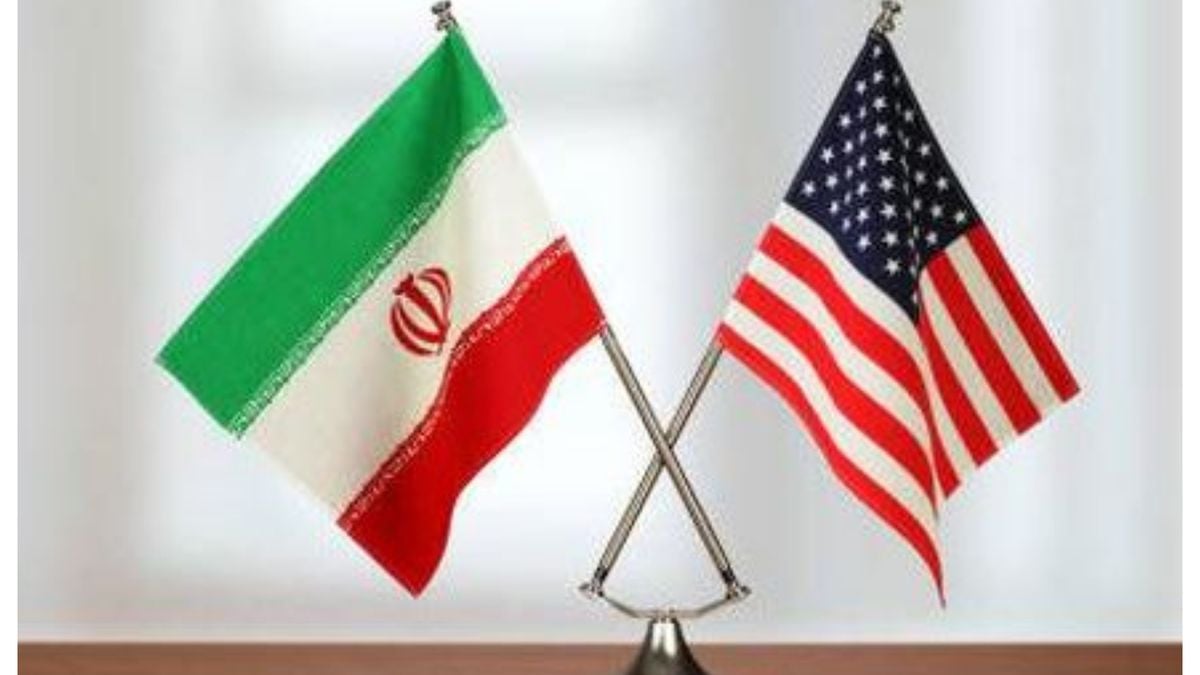
Hi Bandung – Donald Trump assesses that the ceasefire between the United States and Iran is now in the most critical condition since it came into effect on April 7.
Trump criticized Tehran’s latest peace proposal and called the contents of the document unacceptable.
In addition, he is again considering US Navy military escorts for ships crossing the Strait of Hormuz to overcome Iran’s blockade of this important shipping lane.
Previously, Washington had proposed a number of conditions to Iran, especially regarding restrictions on the country’s nuclear program. However, Tehran’s counter-proposal was immediately rejected by Trump.
Iran itself emphasized that it would not continue negotiations before several of its demands were met, such as lifting economic sanctions, disbursing frozen assets, recognizing sovereignty over the Strait of Hormuz, and paying war compensation.
Tension Triggers Oil Price Surge
The former commander of the Iranian Revolutionary Guards, Mohammad Ali Jafari, emphasized that negotiations would not continue as long as the conflict had not truly ended.
Meanwhile, the spokesperson for the Iranian Ministry of Foreign Affairs, Esmail Baqaei, stated that Iran’s proposal was still realistic and opened up opportunities for reaching a peace agreement.
The deadlock between the two countries caused world oil prices to soar to above 105 US dollars per barrel. The situation also casts a shadow over Trump’s planned meeting with Chinese President Xi Jinping in Beijing.
China is not expected to follow US wishes to limit energy trade relations with Iran.
Amid increasing tensions, the International Maritime Organization (IMO) noted that around 1,500 tankers and 20,000 crew members were still stuck in the Gulf region.
On the other hand, Iran’s economy is increasingly under pressure due to the prolonged crisis, ranging from electricity restrictions, declining medicine stocks, to large economic losses due to internet disruptions and high inflation.***