THE MIND OF THE PEOPLE – World Health Organization or WHO determines the Ebola outbreak in Democratic Republic of the Congo And Uganda as a public health emergency that is troubling the world or a public health emergency of international concern (PHEIC).
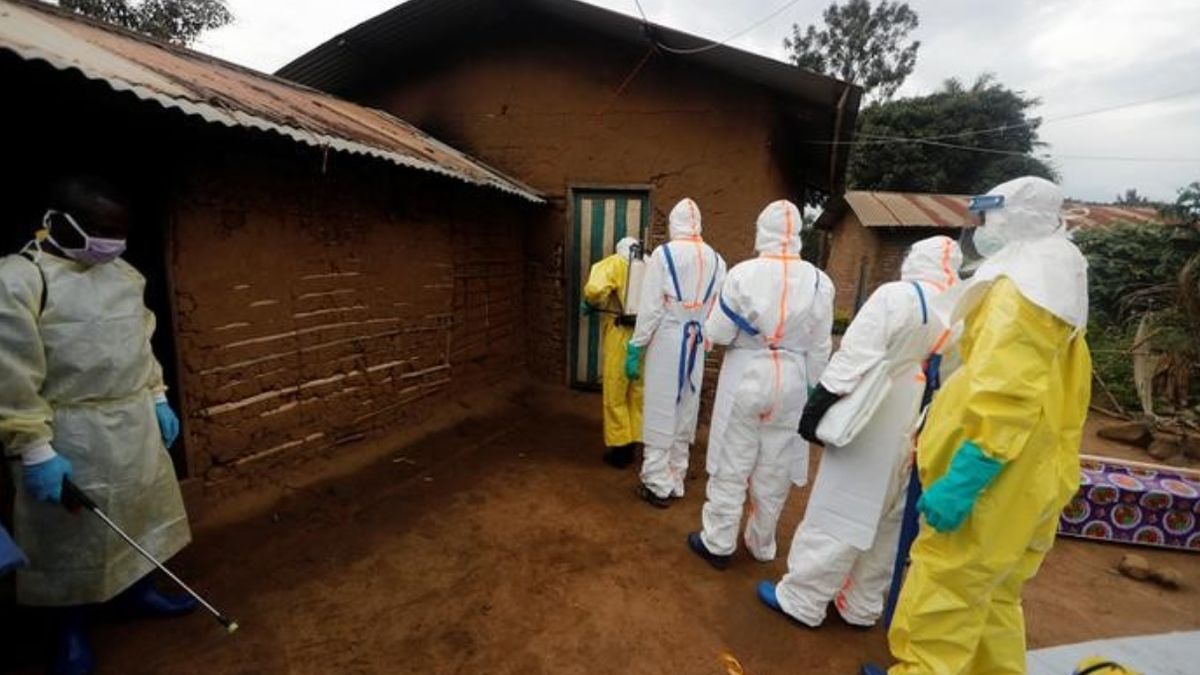
WHO announced this status determination after an increase in Ebola cases appeared in the two African countries. In its statement, WHO assessed that the outbreak caused by the Bundibugyo virus had the potential to pose a health threat across countries and therefore required international coordination.
“The Ebola disease caused by the Bundibugyo virus in the Democratic Republic of Congo and Uganda is a public health emergency of global concern (PHEIC), but does not yet meet the criteria for a pandemic emergency,” said the WHO statement.
However, WHO emphasized that the situation was not yet categorized as a global pandemic. The organization also said that the exact number of people infected and the location of the outbreak are still not completely known.
Previously, Africa Centers for Disease Control and Prevention or Africa CDC reported that there were 13 cases of Ebola that had been confirmed through laboratory examination in the Democratic Republic of Congo, including four deaths.
- Also read: Ebola virus spreads, Uganda’s president asks traditional healers to stop treating sick patients
Apart from confirmed cases, health authorities also found 246 unconfirmed cases which are still under investigation. Meanwhile, around 65 other deaths are being investigated because they are suspected to be related to the Ebola outbreak.
Uganda Raises Ebola Outbreak Awareness
In the midst of increasing cases in the Central African region, the Ugandan government on Friday declared high alert status to anticipate the wider spread of the Ebola virus.
This step was taken even though Uganda previously stated that the Ebola outbreak in its country had ended at the end of April 2026. However, the re-emergence of the threat of the virus spreading in border areas made the government tighten public health supervision.
WHO itself has taken a number of steps since the beginning of the year to help deal with the outbreak in Uganda. In late January, the organization sent a team of experts to Uganda to support the local government in its response to the latest Ebola outbreak.
Then in February, WHO announced the start of trials of the first Ebola vaccine in Uganda as part of efforts to speed up control of the spread of the disease.
- Also read: Increasingly widespread, here’s how to treat Ebola
Bundibugyo virus is a type of Ebola virus that can cause severe dengue fever in humans. This disease spreads through direct contact with infected people’s body fluids or contaminated surfaces.
Symptoms of Ebola generally include high fever, headache, muscle aches, vomiting, diarrhea, and bleeding in severe cases. This disease has a high death rate if not treated quickly.
PHEIC Status Becomes an International Health Alarm
PHEIC is an official emergency status issued by WHO when an outbreak or health situation is deemed to be at risk of spreading to other countries and requires a coordinated international response.
This declaration is regulated in the 2005 International Health Regulations (IHR). In this regulation, each member country has a legal obligation to respond quickly to health emergencies and cooperate in controlling the outbreak.
Determination of PHEIC status usually encourages increased coordination between countries, accelerated distribution of health assistance, strengthened surveillance systems, and increased preparedness at international entry points such as airports and ports.
WHO also reminded the importance of strengthening early detection systems, close contact tracing, public education, and the readiness of health facilities to prevent the wider spread of Ebola in the African region and other countries.***