FERN MEDIA, CENTRAL AFRICA – The World Health Organization expressed serious concern about the increasing Ebola outbreak in the Central African region. As of Tuesday (19/5/2026), at least 131 people were reported to have died, while hundreds of other cases were still being investigated in the conflict areas of the Democratic Republic of Congo.
WHO’s concern is not only due to the high number of fatalities, but also because of the rapid spread of the virus and the type of strain found in this outbreak.
The outbreak was triggered by the Bundibugyo type of Ebola virus, a rare strain that currently has no official vaccine or therapy approved globally.
WHO Director General, Tedros Adhanom Ghebreyesus, said the current outbreak situation was very worrying.
“There are at least hundreds of suspected cases and more than a hundred deaths that are being handled,” he said at an international health forum.
WHO is also currently evaluating the possible use of experimental vaccines and treatments that are still in the development stage.
Also Read: West Java Flood Outbreak: 4 Rampant Points, Governor KDM Reveals Triggers and Emergency Preparedness 2026
Distribution Occurs in Conflict Areas
Most of the reported cases appeared in Ituri Province, the eastern region of the Democratic Republic of Congo which is known as a mining area with high population mobility.
The situation becomes increasingly complicated because the area is also hit by prolonged conflict. Unstable security conditions hamper patient contact tracing, distribution of medical aid, and the delivery of health workers.
Health experts assess that the current number of recorded cases may not reflect the actual conditions in the field.
Senior Director for Health at the International Rescue Committee, Mesfin Teklu Tessema, said the number of cases discovered was probably only a small part of the scale of the actual outbreak.
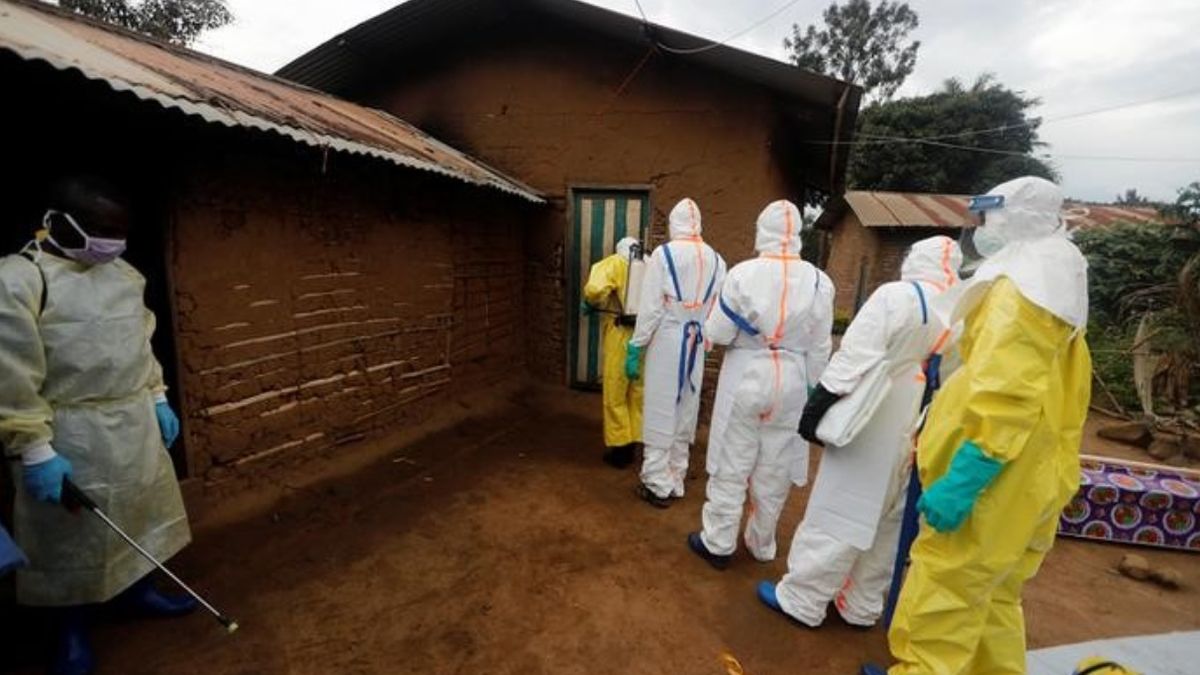
Apart from that, medical personnel in the field also face limited personal protective equipment such as masks, gloves and eye protection.
This condition increases the risk of infection for health workers who are on the front line of handling the outbreak.
Cases Start to Be Detected in Neighboring Countries
WHO also confirmed that a number of cases had been identified in Uganda, a country directly bordering the affected region in Congo.
Previously, WHO had designated the Bundibugyo Ebola outbreak in the Democratic Republic of Congo and Uganda as a public health emergency of international concern or Public Health Emergency of International Concern (PHEIC).
Even so, this status is not yet categorized as a global pandemic.
Also Read: Guinea Reports First Case of Lassa Fever: Similar to Ebola Virus
Global Risk is Said to Still Be Low
Experts emphasize that the risk of spread to other countries is currently still relatively low because the Ebola virus is not transmitted through the air.
Ebola transmission occurs through direct contact with the patient’s body fluids, including blood, vomit and other body fluids.
Common symptoms of Ebola include high fever, fatigue, muscle aches, vomiting, diarrhea, and bleeding in more severe conditions.
However, WHO reminded the international community to remain vigilant considering the high mobility of people and the complexity of the situation in areas affected by the outbreak.
If the spread is not immediately controlled, it is feared that the Ebola outbreak in Central Africa could develop into a larger health crisis in the next few months. ***