JOGJA PORTAL – Saudi Arabia is intensifying air patrols in the holy area to monitor the movements of millions of Hajj pilgrims, as they enter a crucial phase during the Tasyrik days. This strategic step is part of the government’s major efforts to ensure smooth mobility, orderly implementation of worship, and safety of the congregation amidst the high density of activities in Mina, Muzdalifah and Makkah.
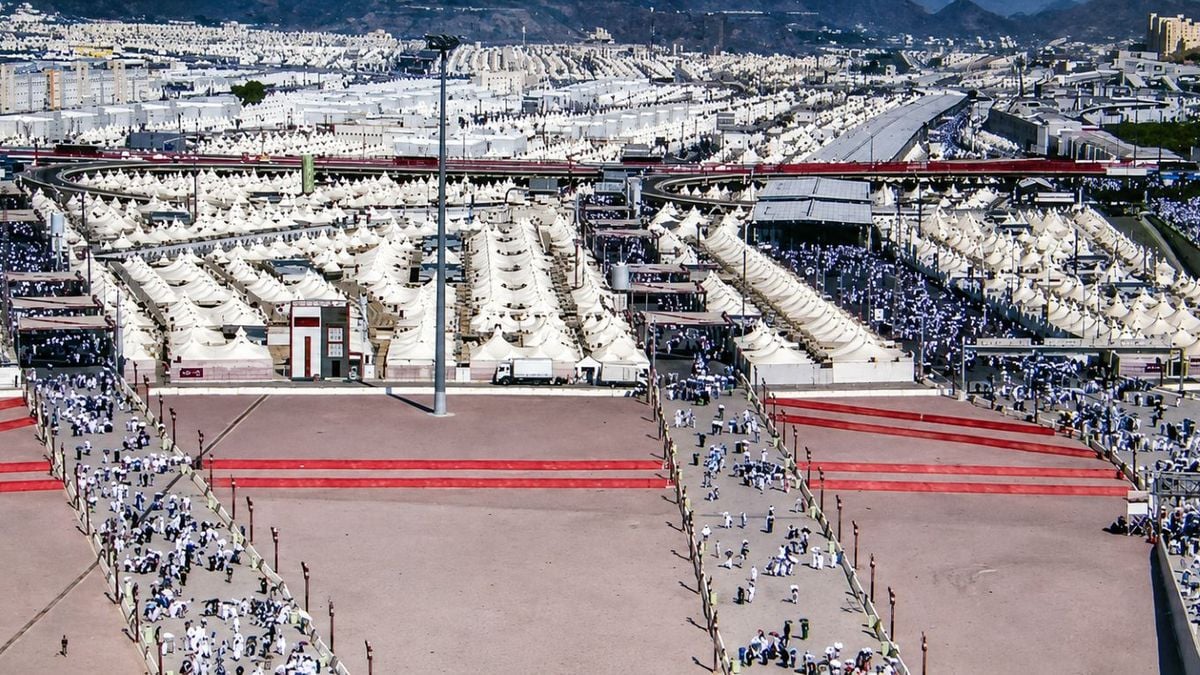
Under the coordination of the Presidency of State Security, the Security Aviation Command deployed an air fleet to carry out comprehensive monitoring from above. Helicopters and sophisticated surveillance devices are used to monitor the flow of congregation movements in real-time, including pedestrian paths, the Jamarat area, and bus routes transporting pilgrims between worship locations. This monitoring allows authorities to identify potential overcrowding early and immediately take anticipatory steps.
These air patrols are an important complement to the ground security system which has been carefully prepared. With synergy between air surveillance and officers in the field, responses to various situations can be carried out quickly and in a coordinated manner. This is very crucial considering that millions of pilgrims move at relatively the same time, especially during the stoning ritual in Jamarat.
Apart from that, the use of modern technology also strengthens the Hajj management system. Data obtained from air monitoring is integrated with the command center to support fast and accurate decision making. In this way, the distribution of congregation flows can be managed more effectively, minimizing the risk of crowding, and maintaining comfort during worship.
Also read: Safe 2026 Hajj: Optimal Transportation, Health and Security
In the Jamarat area, for example, the government has implemented a multi-level route system designed to accommodate the movement of large numbers of pilgrims. These routes are closely monitored both from the air and the ground to ensure that the stoning ritual takes place in an orderly manner according to the predetermined schedule. Time and route settings are also enforced in a disciplined manner to avoid overcrowding.
Saudi Arabia’s Ministry of Interior emphasized that this air patrol was part of its ongoing commitment to maintaining the security of the congregation. Surveillance is not only focused on the main points of worship, but also covers the tent area in Mina, connecting routes, and access to the Grand Mosque. All of this is done to create a safe, orderly and comfortable worship ecosystem.
Meanwhile, the Ministry of Hajj and Umrah continues to urge pilgrims to comply with the official schedule and directions from officers in the field. Compliance with regulations is the main key in maintaining the smooth movement of millions of pilgrims, as well as reducing the risk of exhaustion due to the extreme heat that often occurs during the Hajj season.
Weather conditions that reach temperatures above 40 degrees Celsius are also a serious concern. Therefore, aerial monitoring not only functions to regulate movement, but also helps ensure the distribution of emergency and health services can reach the congregation quickly when needed.
Also Read: Number of Hajj Pilgrims Increases by 2 Percent, Holy Land Crowded with 1.7 Million Muslims
A number of congregants said they felt directly the positive impact of this strict and integrated supervision. Fakhriyah Shaheen, a pilgrim from Iraq, expressed her appreciation for the Hajj arrangements which she considered very good and organized. He admitted that the entire series of religious services, including the stoning, could be carried out smoothly without any significant obstacles.
“We implemented it without difficulty. The system is very good, and tolerance between congregations is also maintained. There is no crowding or jostling,” he said, quoted by Arab News, Thursday (28/5/2026).
He also expressed his gratitude to the security officers who were considered alert and tirelessly providing the best service to the congregation. “May Allah protect Saudi Arabia, its people and its leaders. We are all brothers without differences,” he added.
A similar sentiment was conveyed by Mohammed Islam, a pilgrim from Pakistan, who assessed that this year’s Hajj pilgrimage was more comfortable and safe thanks to strict monitoring, including from the air. He said the presence of security officers, Haj officers and volunteers at various points was very helpful for the congregation.
“May Allah reward you for your efforts. This service makes the Hajj pilgrimage easier, more comfortable and very safe for us,” he said.
With a combination of modern technology, intensive air patrols and solid cross-sector coordination, Saudi Arabia has once again demonstrated its seriousness in providing the best service for Allah’s guests. This effort not only ensures the smooth implementation of the Hajj pilgrimage, but also strengthens safety standards and crowd management on a global scale. ***