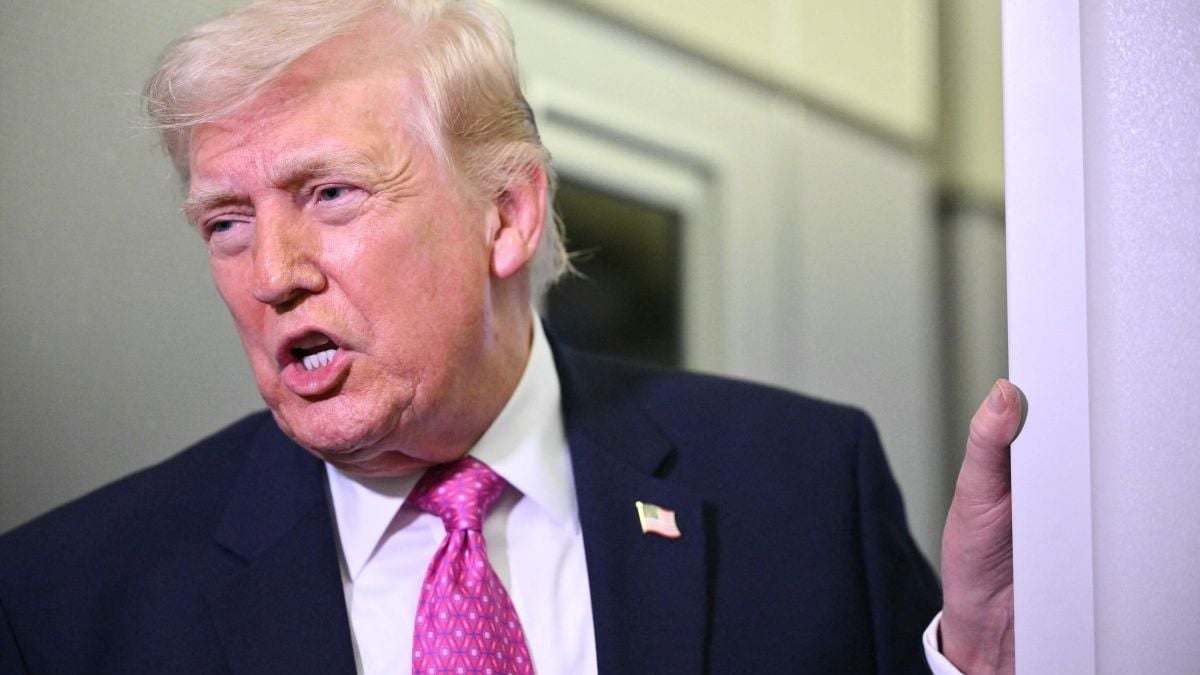
THE MIND OF THE PEOPLE – President of the United States, Donald Trumphopes that Israel will not carry out a retaliatory attack against Iran after Tehran launched missiles into Israeli territory. Trump assesses that the retaliation step has the potential to disrupt the negotiation process currently underway between Washington and Tehran.
Trump made this statement after Iran launched a missile attack on Israel on Sunday, June 7 2026. The attack was said to be a response to Israeli military action which previously targeted the Dahiyeh area on the southern outskirts of Beirut, Lebanon.
In an interview with Axios, Trump emphasized that he does not want the latest tensions in the Middle East to derail the chances of reaching a deal being negotiated by the two countries.
“Iran’s attack didn’t hurt anyone. Hopefully Israel won’t retaliate,” Trump said.
- Also Read: OpenAI Will Comply with Trump’s Order to Review AI Models Before Release
According to Trump, his administration is currently very close to reaching an agreement with Iran. Therefore, he tried to prevent the conflict from developing into a wider confrontation.
“We’re very close to a final deal with Iran. It’s going to be a good deal. I don’t want that deal to fail because of what’s going on right now,” Trump added.
Trump Plans to Contact Netanyahu
Trump revealed that he would directly contact the Israeli Prime Minister, Benjamin Netanyahuto express his desire that Israel not carry out retaliatory attacks against Iran.
This step shows Washington’s great attention to the continuity of the ongoing diplomatic process. Trump believes that attacks and retaliation will only prolong the cycle of conflict that has been occurring for decades in the Middle East region.
Previously, Iran fired a number of missiles into Israeli territory after an Israeli air strike in Beirut. The Israeli military said its air defense system had successfully responded to the threat and there were no reports of casualties due to the Iranian attack.
- Also read: Trump claims Israel and Hezbollah have agreed to stop shooting, but both parties are still attacking each other
Conflict Potentially Disrupts US-Iran Negotiations
The latest tensions arise amidst efforts by the United States and Iran which are still trying to reach an agreement on a number of strategic issues. The Trump administration in recent weeks has repeatedly expressed optimism that negotiations with Tehran are showing positive developments.
However, military escalation between Israel, Iran and the Hezbollah group in Lebanon is considered to be able to complicate this process. Previously, Trump had also pressured Israel to hold back attacks that had the potential to trigger an immediate response from Iran in order to keep diplomatic channels open.
Observers assess that any increase in conflict in the region risks worsening regional stability and reducing the chances of reaching an agreement between Washington and Tehran.
The Regional Security Situation is Increasingly Hotter
Iran’s missile attack on Sunday was Tehran’s first direct attack on Israel since a ceasefire took effect in April 2026. Iran called the attack a response to Israel’s military action in Beirut which it said had exceeded its limits.
- Also read: US-Iran will soon make peace, Donald Trump gives the latest leak
On the other hand, the Israeli government stated that the military operation in Lebanon was carried out in response to attacks launched by the Hezbollah group on Israeli territory. Tensions between the two parties have raised concerns that the conflict will spread to involve more countries in the region.
Even though Trump has tried to encourage all parties to exercise restraint, the latest developments show that the situation is still very dynamic. On Monday, June 8, 2026, Israel reportedly launched attacks on a number of military targets in Iran in response to previous missile attacks, marking a new escalation in the conflict that had subsided after a ceasefire last April.
Under these conditions, the successful diplomacy of the United States and Iran is now facing new challenges. The US government is trying to ensure that negotiation channels continue, while developments on the ground show the risk of a wider conflict still looms over the Middle East region.***