PEAK MEDIA, TEL AVIV – After weeks of war rocking the Middle East, a question is starting to haunt Israel: what exactly has been gained from the conflict against Iran?
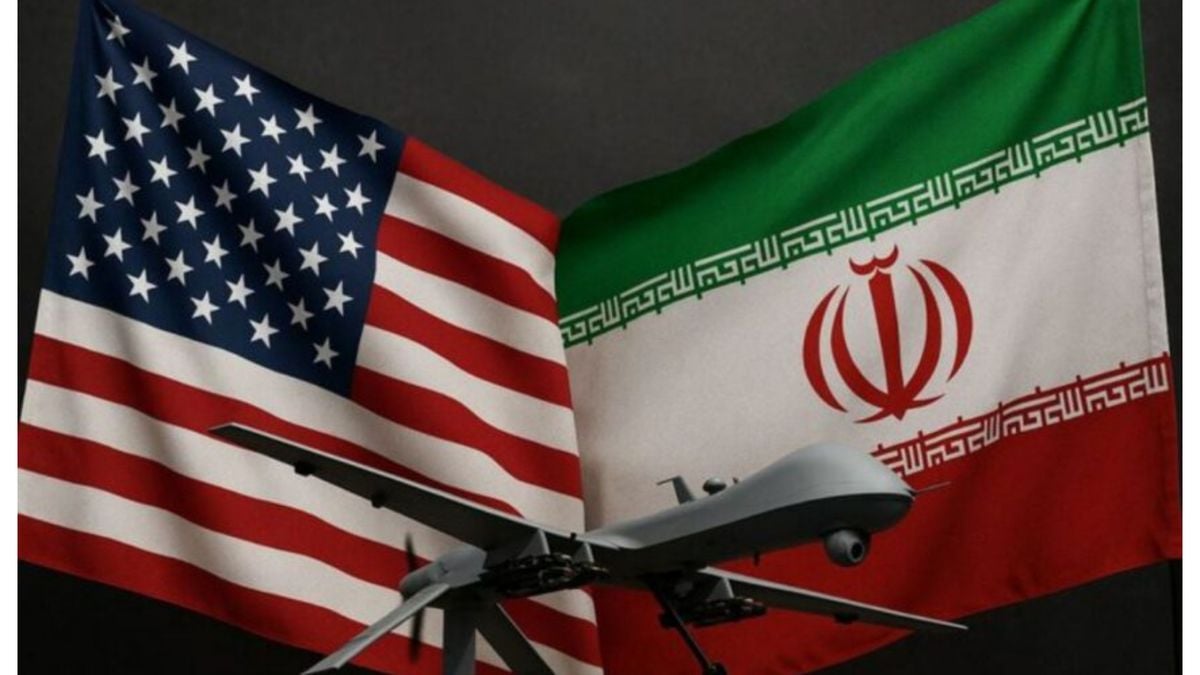
The question intensified after the United States and Iran were reportedly getting closer to a new peace deal scheduled to be signed in Geneva on June 19, 2026.
Ironically, a number of issues that have been the main reason Israel launched military operations have not yet been resolved.
Iran’s nuclear program is still on hold to be discussed in follow-up negotiations for the next 60 days. Meanwhile, Tehran’s ballistic missile capabilities and its network of proxy groups in the region have not yet been included in the initial agreement.
The war may have stopped, but Israel’s strategic goals appear far from being achieved.
War Over, Worried Threats Still Exist
The extension of the ceasefire between Iran and Israel paves the way for a Washington-mediated diplomatic process. However, the content of the draft agreement that has begun to be revealed has given rise to new anxiety among Israeli policy makers.
For years, Iran’s nuclear program has been a major issue that the Israeli government continues to raise as an existential threat. However, until now there is no certainty regarding how this problem will be resolved.
Instead of getting an immediate solution, the discussion was postponed to the next negotiation table where the final outcome was still full of uncertainty.
Moreover, Iran’s ballistic missile capability, which has been considered one of the biggest threats to Israel’s security, also remains.
Also Read: 2026 World Cup commotion! Car trunk containing bodies found near Iranian training stadium
Netanyahu claims to have won, reality on the ground says otherwise
Israeli Prime Minister Benjamin Netanyahu continues to call the military operation against Iran a great success.
He even stated that the war had saved Israel from the threat of nuclear annihilation.
But developments after the ceasefire show a much more complicated picture.
It is true that a number of Iran’s strategic facilities were damaged as a result of the attack. However, the regime in Tehran remains strong. The power structure has not collapsed, hardline groups still survive, and Iran’s major military capabilities have not been completely lost.
This condition sparked debate within the country about whether the huge costs of war actually produced commensurate strategic benefits.
Trump and Netanyahu Start Walking on Different Paths
At the start of the conflict, Washington and Tel Aviv appeared to be moving in single file. But as time went by, the goals of the two began to look different.
For Netanyahu, war is considered a golden opportunity to permanently weaken Iran, even opening up the opportunity for regime change in Tehran.
In contrast, US President Donald Trump seems more focused on ending the conflict through political agreements.
The differences in interests became increasingly visible when the negotiation process entered a serious stage.
Reports from a number of international media say that Israel was not directly involved in the latest talks between Washington and Tehran. In fact, the Israeli government is said to have not received an official copy of the draft agreement that is being drafted.
For many people in Israel, this condition is a signal that Tel Aviv’s influence over the final outcome of the war is starting to wane.
Also Read: From Enemy to Partner? Alleged transfer of UAE funds to Iran shocks the Middle East
Trump is starting to lose his temper
The cracks in the relationship between Trump and Netanyahu are also starting to show openly.
One of the moments that sparked tension occurred when Israel launched an attack on Beirut just hours before the ceasefire was announced.
Instead of supporting the move, Trump showed his displeasure.
In several interviews, he even offered criticism rarely heard from a United States president against an Israeli leader. Netanyahu is said to be a figure who is difficult to work with and does not have good judgment in a number of decisions.
This statement immediately sparked speculation that the relationship between the two leaders, who had long been known to be close, was starting to experience serious pressure.
Israel Participates in War, But Doesn’t Take Part in Determining Peace
The greatest paradox in this conflict may lie in one simple fact: Israel was directly involved in the war, but was not a major player in the process that determined how it ended.
Some of the most important issues for Israel’s security are still hanging over the negotiating table.
Iran’s nuclear program has not yet been resolved. Ballistic missiles are not yet on the main agenda. Even a group like Hezbollah could potentially gain diplomatic benefits from the new deal being negotiated.
This situation has made many people question the extent to which the results of the war really benefited Israel.
Also Read: Surprising! Ayatollah Khamenei’s Funeral Postponed Again, Iran Prepares to Welcome 20 Million Mourners
New Political Threat for Netanyahu
For Netanyahu, this issue concerns not only national security, but also his own political future.
Over the years, he has built an image as the toughest leader in confronting Iran. Because of this, the Israeli public has high expectations for the outcome of the latest conflict.
The problem was, when the war ended, the Iranian regime still survived, the nuclear program had not been resolved, and most strategic issues still depended on the outcome of negotiations controlled by other parties.
This condition is becoming increasingly sensitive because Israel is scheduled to hold elections next October.
Netanyahu’s political opponents are starting to question what exactly he has achieved after weeks of war.
When the Outcome of a War is Determined at the Negotiating Table
Israel succeeded in destroying a number of strategic targets and suppressing Iran’s military capabilities. But ultimately, the outcome of the conflict is unlikely to be determined by airstrikes or military operations.
The fate of the war is actually being determined in the Geneva negotiating room, where the United States and Iran are discussing the future of the region without Israel’s direct involvement.
That’s where Tel Aviv’s biggest dilemma arises.
Israel joined the war. However, when it comes time to determine the terms of peace, its influence actually looks much smaller than when missiles and fighter jets still filled the skies of the Middle East.
And if a peace deal does materialize without meeting most of Israel’s demands, the war that was claimed as a victory could turn into the biggest political burden Benjamin Netanyahu has ever faced ahead of the election.***