Military exchanges between the United States and the Islamic Republic of Iran around the Strait of Hormuz have reportedly begun to subside, creating an opportunity to revive diplomatic efforts. Both sides have agreed to halt retaliatory attacks in an effort to resolve the dispute over the strategic waterway, which had threatened the implementation of a previously signed peace memorandum of understanding (MoU).
According to Al Jazeera on Monday, June 29, 2026, former U.S. Ambassador to Oman Richard Schmierer said the recent military confrontation had effectively come to an end following mediation by Qatar and Pakistan. He added that follow-up talks expected to take place in Doha on Tuesday, June 30, 2026, would focus on ensuring safe navigation through the Strait of Hormuz.
Although tensions on the ground have eased, uncertainty remains over whether the bilateral negotiations will proceed as planned. U.S. President Donald Trump announced on his social media platform, Truth Social, that a high-level meeting would take place in Doha following what he described as a request from Tehran.
“Iran has requested a meeting. It will take place tomorrow in Doha,” Trump wrote in a post using all capital letters to emphasize his claim.
The United States appears eager to restore stability to the vital maritime corridor after a series of retaliatory attacks over the weekend threatened the transition MoU signed on June 17.
Iran Denies Immediate Meeting
However, Washington’s announcement was quickly contradicted by Iranian officials. Iran’s Deputy Foreign Minister Kazem Gharibabadi stated that no official meeting involving technical delegations from both countries had been scheduled in Qatar this week.
Iranian authorities confirmed that negotiations remain under consideration but said they could not verify whether the talks would actually take place on Tuesday.
The dispute stems from differing interpretations of Article 5 of the MoU, which governs guarantees for the safe resumption of commercial shipping through the Strait of Hormuz.
Tehran insists that international vessels are free to transit the waterway provided they coordinate fully with Iranian maritime authorities and obtain the necessary operational clearance while passing through Iranian territorial waters or Omani waters.
Iran also rejected U.S. proposals to reroute commercial shipping closer to Oman’s coastline in an effort to avoid Iranian oversight.
Senior analyst Abbas Aslani of the Center for Middle East Strategic Studies said Iran has deliberately used the Strait of Hormuz as a strategic bargaining tool to strengthen its negotiating position with the United States.
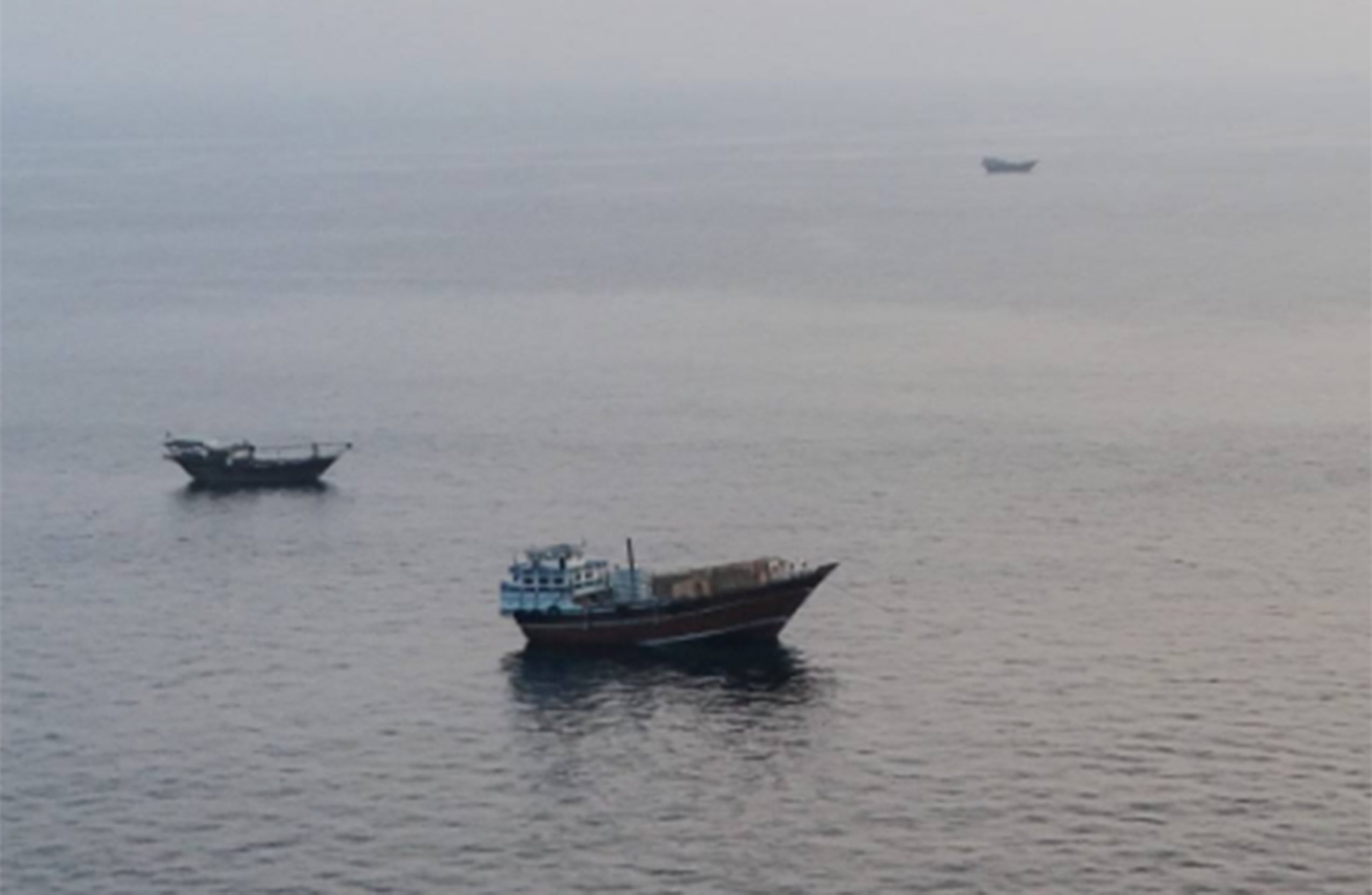
The latest military confrontation was reportedly triggered after a commercial vessel was struck by unidentified projectiles, prompting a U.S. military response.
“Over the past few days, both sides have flexed their muscles over this strategic issue—the Strait of Hormuz, which serves as a source of leverage for Iran in balancing negotiations with the United States. This has complicated the atmosphere surrounding the talks,” Aslani told Al Jazeera.
Amid the diplomatic uncertainty, Iranian President Masoud Pezeshkian announced a positive development for the country’s economy, saying that US$6 billion of Iran’s US$12 billion in previously frozen assets held in Qatar would soon be released and returned to the national treasury.
Meanwhile, parallel discussions between Iran’s Deputy Foreign Minister and Omani officials have continued in Muscat to formulate a long-term framework for managing the Strait of Hormuz.
If the technical negotiations in Doha proceed as expected, delegates are expected to focus exclusively on resolving the Strait of Hormuz crisis.***