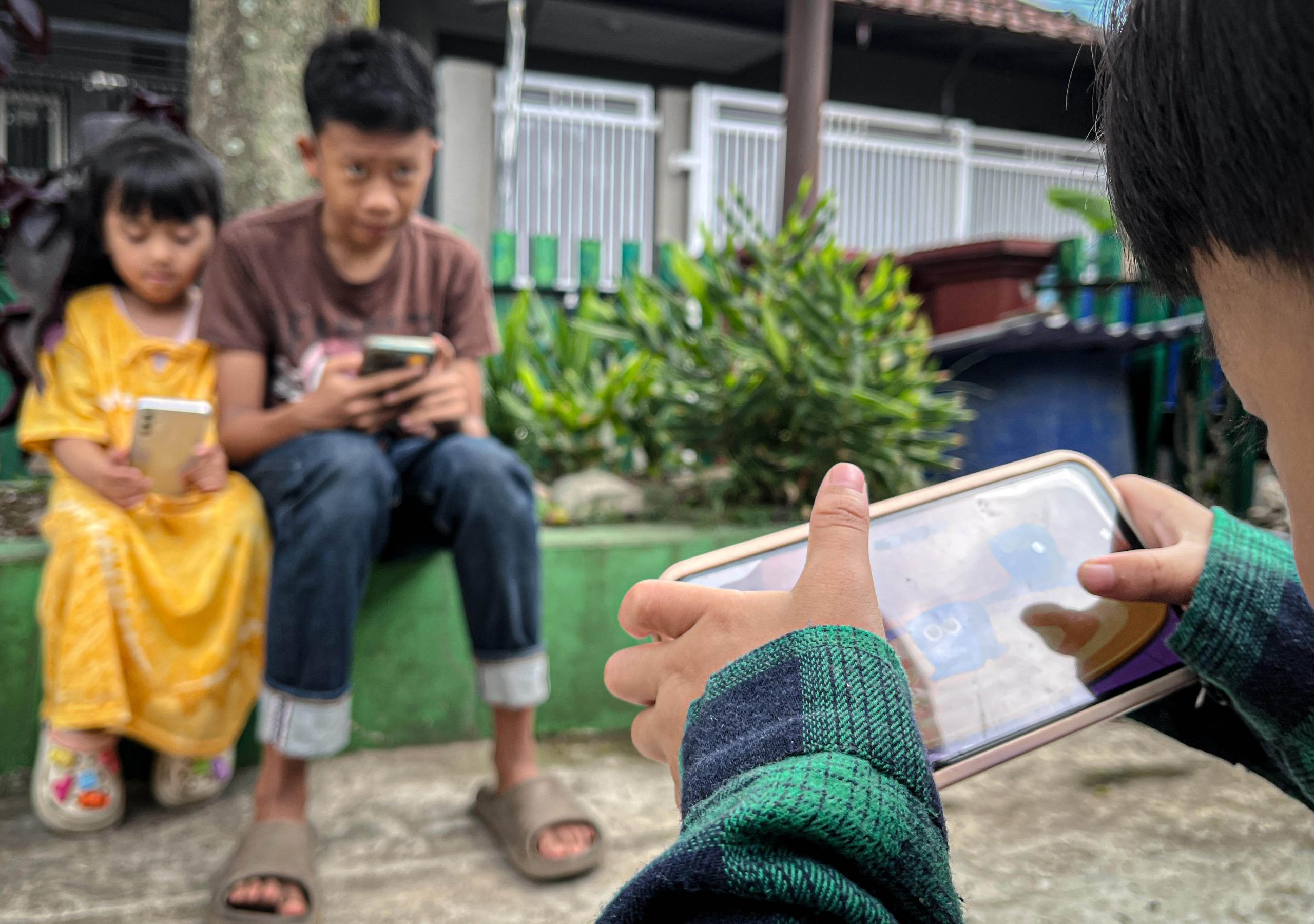
Strengthening digital literacy and digital parenting has become a strategic measure to prevent the online sexual exploitation of children. Various forms of technology-facilitated sexual violence targeting children continue to increase, making digital safety an increasingly urgent concern.
Indonesian Child Protection Commission (KPAI) member Ai Maryati Solihah said the rapid development of digital technology has created new challenges for child protection. Online child sexual exploitation is no longer limited to the distribution of Child Sexual Abuse Material (CSAM) but also includes various forms of non-contact sexual abuse such as online grooming, manipulation, and the misuse of artificial intelligence (AI).
“Online child sexual exploitation continues to evolve with increasingly sophisticated methods. The low level of digital literacy among both children and parents remains one of the biggest challenges in protecting children in the digital space. In addition, inadequate age verification systems on digital platforms, limited parental control features, and weak cross-sector coordination further increase the risk of children becoming victims of exploitation,” Ai Maryati said in a press release on Thursday, July 2, 2026.
Ai Maryati explained that protecting children in the digital environment cannot rest solely on the shoulders of families or schools. Instead, it requires collaboration among all stakeholders, including families, schools, communities, the government, and electronic system providers.
Children, she said, must be equipped with the skills to recognize online risks. At the same time, parents need to be empowered so they can provide adaptive guidance and support in the digital era.
According to Ai Maryati, adequate digital literacy, adaptive parenting practices, and strong policy support will enable Indonesian children to use technology safely, responsibly, and productively while avoiding various forms of violence and exploitation online.
“Every child has the right to grow and develop in a digital environment that is safe and free from exploitation, violence, and the misuse of technology. Protecting children in the digital age must be a shared responsibility,” Ai Maryati said.
Meanwhile, Yanti Kusumawardhani, a representative of the ASEAN Commission on the Promotion and Protection of the Rights of Women and Children (ACWC), emphasized that the high rate of internet usage among children must be matched by stronger child protection systems and comprehensive digital literacy initiatives, as today’s children are growing up as digital natives.
“There must be strong collaboration among governments, families, communities, and digital platforms to ensure that the online environment is safe and child-friendly. That is why protecting children in the digital space has become a priority issue across Southeast Asia,” Yanti said.***