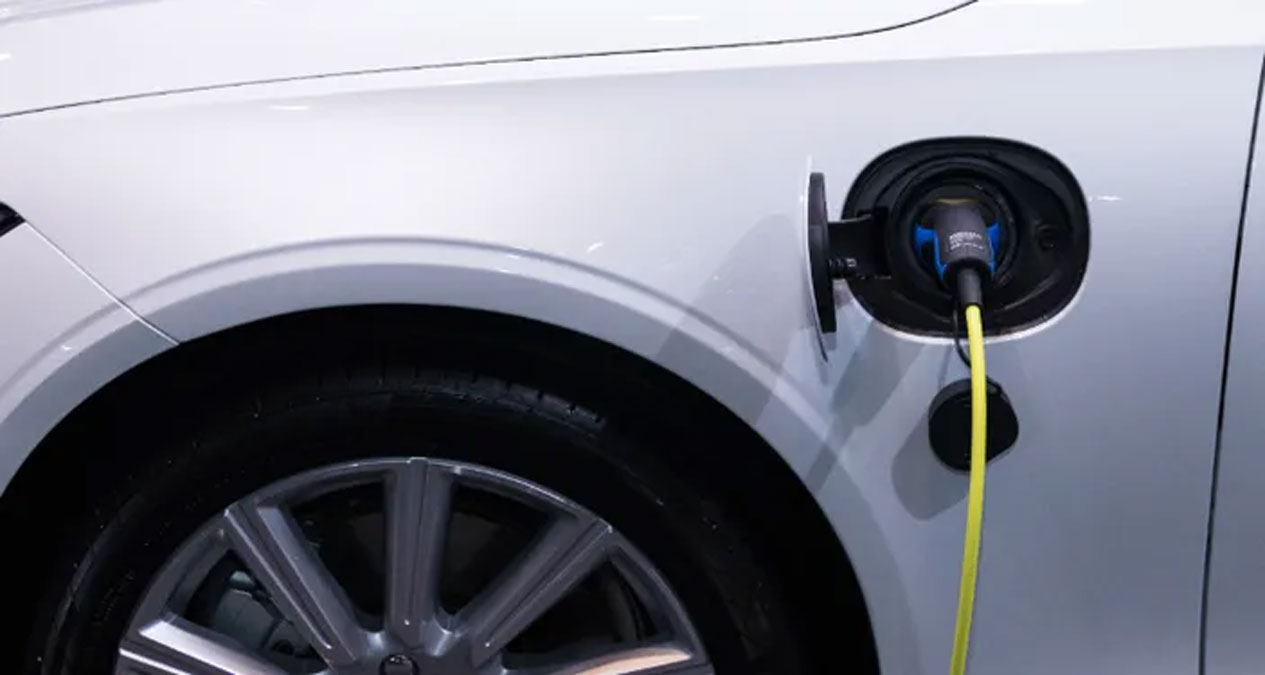
The increase in fuel prices since March 2026, triggered by geopolitical tensions between the United States and Iran in the Middle East, has given rise to an interesting trend in China. Instead of continuing to drive their gasoline-powered private vehicles, an increasing number of people are choosing taxis and ride-hailing services using electric vehicles because they are considered more economical.
The trend began after Chinese social media platforms were flooded with posts claiming that taxi fares had become cheaper than driving a private car, especially after factoring in fuel and parking costs.
According to Reuters, around half of China’s 1.3 million taxi fleet has already been converted to electric vehicles, while in major cities the figure is approaching 100 percent.
Meanwhile, Didi, China’s leading ride-hailing platform, operates approximately 8 million electric and hybrid vehicles, accounting for about 75 percent of the total distance traveled through its services.
In May 2026, taxi and ride-hailing services in China recorded 3.05 billion trips, an increase of 6 percent compared to the same period last year. At the same time, the country’s gasoline consumption declined by approximately 10 percent.
What About Indonesia?
Indonesia’s situation is quite different.
Although electric vehicles have begun to gain traction in the country, the number of electric vehicle fleets and charging infrastructure remains far more limited than in China. At the same time, Indonesians continue to rely heavily on subsidized fuel.
In recent weeks, long queues for Pertalite fuel at a number of locations, including North Sumatra, have drawn public attention, with motorists reportedly waiting for hours. The North Sumatra Representative Office of the Indonesian Ombudsman has also urged Pertamina to improve its fuel distribution system to prevent the shortages from continuing.
This means that when global oil prices fluctuate or fuel supplies are disrupted, Indonesians still have relatively limited transportation alternatives.
China’s experience demonstrates that the benefits of electric vehicles extend beyond reducing carbon emissions. When oil prices become volatile, transportation systems that have transitioned to electricity can also help cushion the economic impact on the public.
Although Indonesia has not yet reached the same stage, the country’s transportation electrification trend continues to grow. In the future, as more electric vehicles and supporting infrastructure become available, Indonesians will have greater opportunities to rely on alternatives to fossil fuels whenever a global energy crisis occurs.***