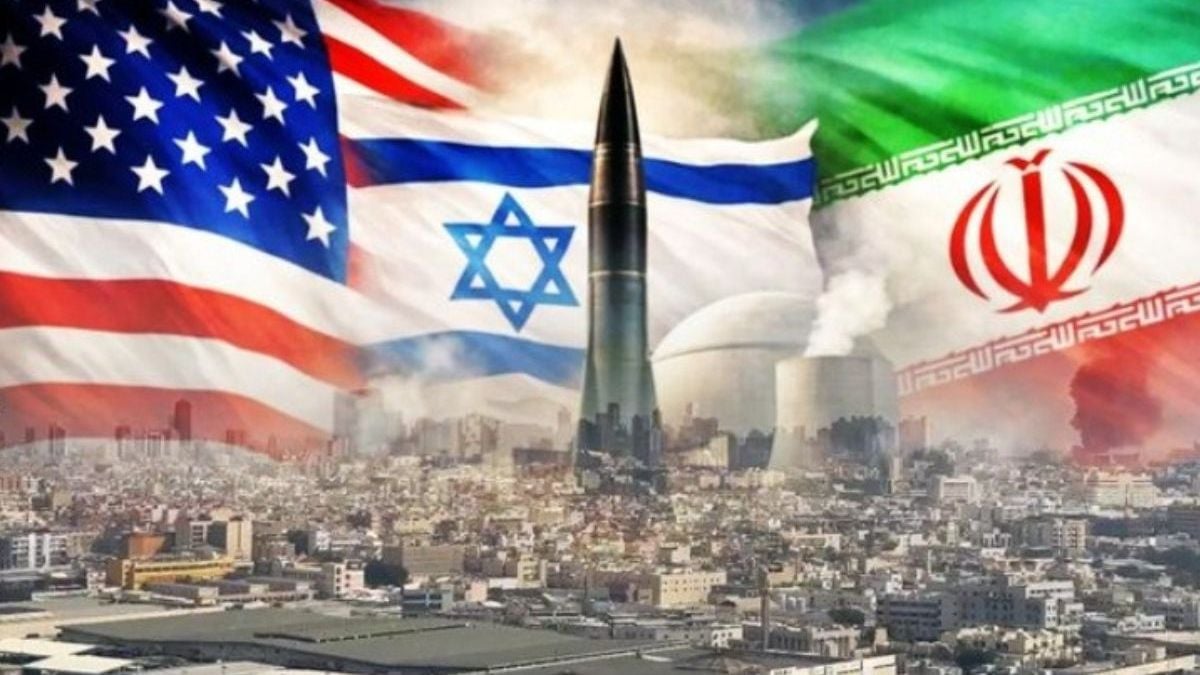
Bulukumba News – In a quiet diplomacy room in Islamabad, the 14-point paper lay on the table—calm, but full of pressure. Outside the building, the world is still shaking from the throes of war, wild oil prices, and tensions that have yet to find an end.
Inside the room, one question lingers: is this truly a path to peace between Iran and the United States, or just a lull before the next storm?
The proposal came from Tehran—an offer that not only called for a ceasefire, but demanded major changes in global relations.
Also read: It’s not about winning, this is Iran’s strategy to face the US and Israel.
When peace comes with conditions
Iran officially submitted a 14-point peace proposal to the United States and its allies, including Israel.
News agency report IRNA stated that the proposal had been submitted to Pakistan on April 30, 2026 as part of continued diplomatic efforts. However, this proposal is not just a call for peace. It is a list of demands.
Tehran is focusing on three main things: compensation for war damage, long-term security guarantees, and changes to the shipping system in the Strait of Hormuz—a vital route that has been at the center of the conflict.
According to reports Tasnim News Agencythe US had proposed a ceasefire for two months. But Iran refused.
For Tehran, a ceasefire is not a solution—only a postponement of the conflict. They demanded that all problems be resolved within 30 days.
The time limit is not without meaning. He shows urgency and pressure: Iran wants the war to end completely, not just stop temporarily.
Behind the 30 day number, there is a firm message—there is no longer room for half-way compromises.
Also Read: Failure of Nuclear Negotiations in Islamabad: Trump Cancels Meeting and Challenges Tehran
The Strait of Hormuz: The contested heart
Among these 14 points, one issue stands out most prominently: the Strait of Hormuz. This narrow strait is not just a sea route. It is the world’s energy artery, through which about 20 percent of the global oil supply passes every day.
Iran is demanding an end to its blockade of the route and the implementation of a “new shipping mechanism” that it will organize. This means that Iran doesn’t just want to reopen the route—they want to control it.
This is a strategic demand that could change the global balance of power. For the US, this is not just a matter of navigation. It’s about influence.
The war that began on February 28, 2026 has left a trail of deep wounds. More than 3,000 people were reported killed as a result of joint US and Israeli attacks on Iran.
This figure does not include infrastructure damage worth billions of dollars—equivalent to tens to hundreds of trillions of rupiah.
In its proposal, Iran demands full compensation. Not just as compensation, but as recognition of the damage they experienced. At this point, diplomacy turns into calculation—what price must be paid to stop the war?
Also read: Cracked ceasefire: Netanyahu vs Hezbollah accuse each other, Lebanon threatens to explode
Sanctions, assets, and economic pressure
Apart from military aspects, Iran also demands:
– Lifting of all international sanctions
– Disbursement of frozen assets abroad
These demands get to the heart of the economic conflict between Iran and the West.
Sanctions have been the main tool of pressure on Tehran. If revoked, Iran will gain new breathing space—both economically and politically.
But for the US, lifting sanctions without security guarantees is a big risk. This is where negotiations get tricky.
Even though the proposal has been submitted, the situation on the ground shows the opposite direction. The ceasefire announced on April 8 2026 has not been able to end tensions.
Negotiations in Islamabad are ongoing, but have not yet resulted in a final agreement. Meanwhile, the US actually began implementing a blockade of Iranian ports – a step which was seen as making the situation worse.
On the one hand, peace talks continue to be pursued. On the other hand, military and economic pressure continues. This is the paradox of modern conflict: war and diplomacy go hand in hand.
New chapter or dead end?
Iran’s 14-point proposal opens up new possibilities—but also makes clear the gaps. For Iran, this is a condition for ending the war completely. For the US and its allies, this is a list of demands that is difficult to fully accept.
International mediators are now in the middle—seeking to bridge opposing interests. But time goes on. And every day without a deal is a new risk to global stability.
Behind the numbers, demands, and strategies, there is one unavoidable reality: war always leaves more questions than answers.
Will these 14 points be a way out, or will it actually prolong the deadlock?
Because in a world connected by energy and interests, one decision at the negotiating table can determine the fate of millions of people who have never even seen the Strait of Hormuz.***