The common belief that high cholesterol only threatens people who are overweight has been firmly challenged by medical experts. Having a slim or lean body is by no means a guarantee that a person is free from the buildup of harmful fats in the bloodstream.
Many people are misled by the number on the scale and overlook the silent risk of cardiovascular disease. This phenomenon serves as an important reminder that physical health should not be judged solely by outward appearance.
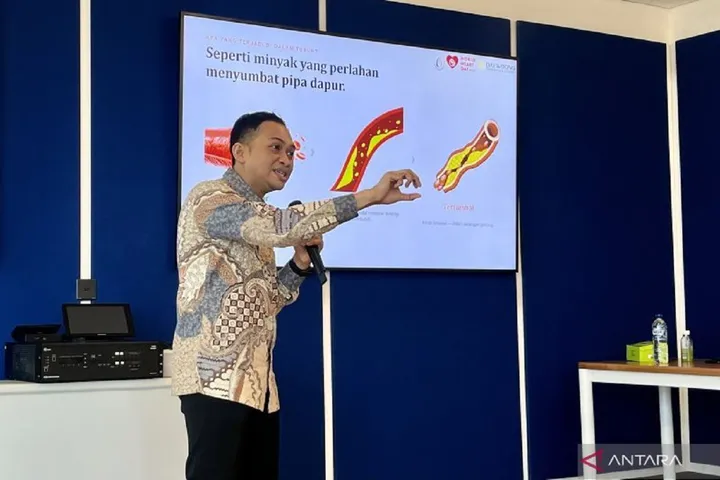
As reported by ANTARA on Friday, July 24, 2026, cardiovascular specialist Dr. dr. Susetyo Atmojo, Sp.JP, from the Indonesian Heart Association (PERKI), emphasized the importance of correcting this misconception.
He explained that having a normal body weight does not automatically indicate a low cardiovascular risk profile.
Population studies have shown that nearly one in four lean individuals actually possesses a combination of risk factors for heart disease.
People with a lean body type but elevated low-density lipoprotein (LDL) cholesterol are two to three times more likely to suffer a heart attack.
There are four main factors that can cause individuals with a lean body to develop high levels of LDL cholesterol.
The first is a genetic disorder known as familial hypercholesterolemia, which causes LDL levels to remain elevated despite having an ideal body weight.
The second factor is an unhealthy diet, particularly frequent consumption of fried foods and foods high in saturated fat.
The third is a lack of regular physical activity, which disrupts the body’s fat metabolism.
The fourth, and equally dangerous, factor is central obesity, or the accumulation of visceral fat in the abdominal cavity.
This condition often goes unnoticed because a person’s body mass index (BMI) may still fall within the normal range.
Among Asian populations, central obesity is defined as a waist circumference exceeding 90 centimeters for men and 80 centimeters for women.
The accumulation of fat around the abdomen actively disrupts metabolism and contributes to elevated levels of LDL cholesterol in the bloodstream.
The problem becomes even more concerning because high cholesterol generally produces no physical symptoms or pain.
Most people only discover they have elevated cholesterol during routine medical examinations or after serious complications have already developed.
If people wait until symptoms appear before seeking medical evaluation, treatment often comes too late.
The gradual buildup of atherosclerotic plaque inside blood vessel walls over many years can narrow blood circulation and eventually trigger a sudden stroke.
Prevention
Fortunately, these potentially life-threatening complications can largely be prevented through early detection with regular blood tests.
Routine screening is particularly important for individuals with a family history of heart disease, hypertension, or diabetes.
Dr. Susetyo emphasized that medical examinations should not focus solely on total cholesterol levels but should also include a detailed assessment of LDL cholesterol.
Such evaluations provide a more accurate picture of each patient’s cardiovascular risk.
Regular exercise and limiting the intake of trans fats are key to maintaining healthy and flexible blood vessels.
Consistent daily physical activity helps burn the hidden visceral fat that accumulates around the abdominal cavity.
In addition, people are encouraged to maintain a healthy body weight and follow prescribed medical treatment according to their physician’s recommendations.
As a final reminder, do not assume you are protected from cardiovascular disease simply because you have a slim or lean body.
Start by measuring your waist circumference and scheduling laboratory tests to obtain a comprehensive assessment of your blood cholesterol profile.
A thorough understanding of your cardiovascular health can help prevent life-threatening complications that often develop without warning.***