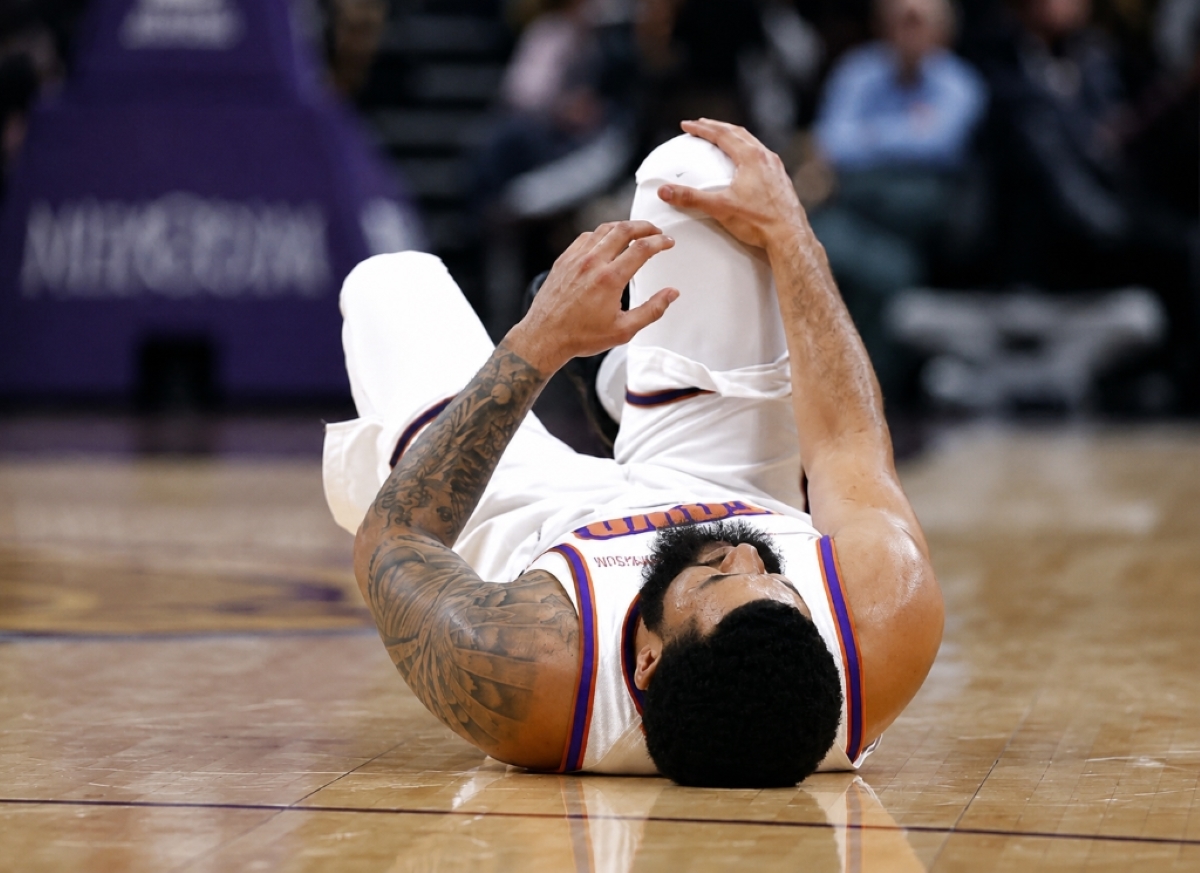
Physical activity and exercise are often regarded as essential to maintaining good health. Walking and climbing stairs are commonly considered healthy habits with minimal risk for most people.
However, even beneficial activities can lead to serious injuries if performed excessively (overuse), without proper warm-up, or without allowing the body sufficient time to recover.
One of the consequences of excessive stress on the knee joint is a meniscus tear, or a tear in the cartilage that cushions the knee. This was experienced by a friend after returning from a long-distance trip abroad several months ago.
After a 24-hour flight to London, England, the journey was immediately followed by extensive sightseeing on foot, with virtually no opportunity for rest.
For three consecutive nights in London, my friend’s walking intensity was extremely high. Enthusiasm for exploring the city led to walking tens of thousands of steps each day. The activities also included repeatedly climbing stairs without adequate warm-up beforehand.
Upon returning to Indonesia, physical symptoms began to appear. The friend experienced discomfort in the right knee, including a sensation of something being caught inside the joint and pain when bending the knee.
To determine the underlying cause of the discomfort, a magnetic resonance imaging (MRI) scan of the right knee without contrast was performed at a hospital in Bandung.
The MRI results showed that the bones, tendons, and major ligaments—including the anterior cruciate ligament (ACL) and posterior cruciate ligament (PCL)—remained intact and normal.
However, the examination revealed partial tears of both the medial and lateral meniscus, accompanied by a mild accumulation of fluid in the suprapatellar bursa.
The meniscus is a C-shaped cartilage inside the knee joint that functions as a shock absorber between the thigh bone (femur) and the shin bone (tibia).
Meniscus injuries are commonly associated with professional athletes due to hard impacts or sudden twisting movements.
In reality, however, this type of injury can affect anyone, including office workers who are not athletes.
Several factors can contribute to a meniscus tear in non-athletes.
Habits such as excessive walking or suddenly climbing and descending numerous flights of stairs without sufficient rest place repetitive stress on the knee’s cartilage.
A lack of proper warm-up also leaves the soft tissues around the knee stiff and more susceptible to tearing when subjected to sudden strain.
Other contributing factors include previous injuries, a history of accidents or falls, and weakness of the muscles supporting the knee, all of which can gradually increase the risk of meniscal damage.
This experience serves as an important reminder that even physical activities intended to improve health can result in injury if performed without proper planning.
When excessive stress is repeatedly placed on an unprepared joint, the meniscal cartilage can gradually deteriorate and eventually tear.
Prevention
To reduce the risk of a meniscus tear during everyday activities, several preventive measures should be followed.
Before embarking on long trips that involve extensive walking or participating in sports, take time to stretch the quadriceps and hamstring muscles.
This step is essential to prepare the knee joint for increased physical demands.
In addition to warming up, controlling the intensity of physical activity is equally important.
Avoid suddenly pushing your body beyond its limits, and gradually increase the number of steps taken or flights of stairs climbed if your body is not accustomed to such activity.
Regular strength training for the muscles surrounding the thighs and calves is also recommended, as stronger muscles help absorb stress placed on the knee joint.
Proper stair-climbing technique should also be observed.
When going upstairs, lead with the stronger leg to support your body weight.
When going downstairs, step first with the weaker or injured leg.
Finally, it is important to pay close attention to your body’s signals.
If your knee begins to feel painful, stiff, or swollen, stop the activity immediately and allow your body adequate time to rest.***