The memorandum of understanding (MoU) and ceasefire agreement between the United States and the Islamic Republic of Iran have officially ended. US President Donald Trump publicly declared that the peace agreement is over and referred to any form of negotiation with Tehran as a waste of time.
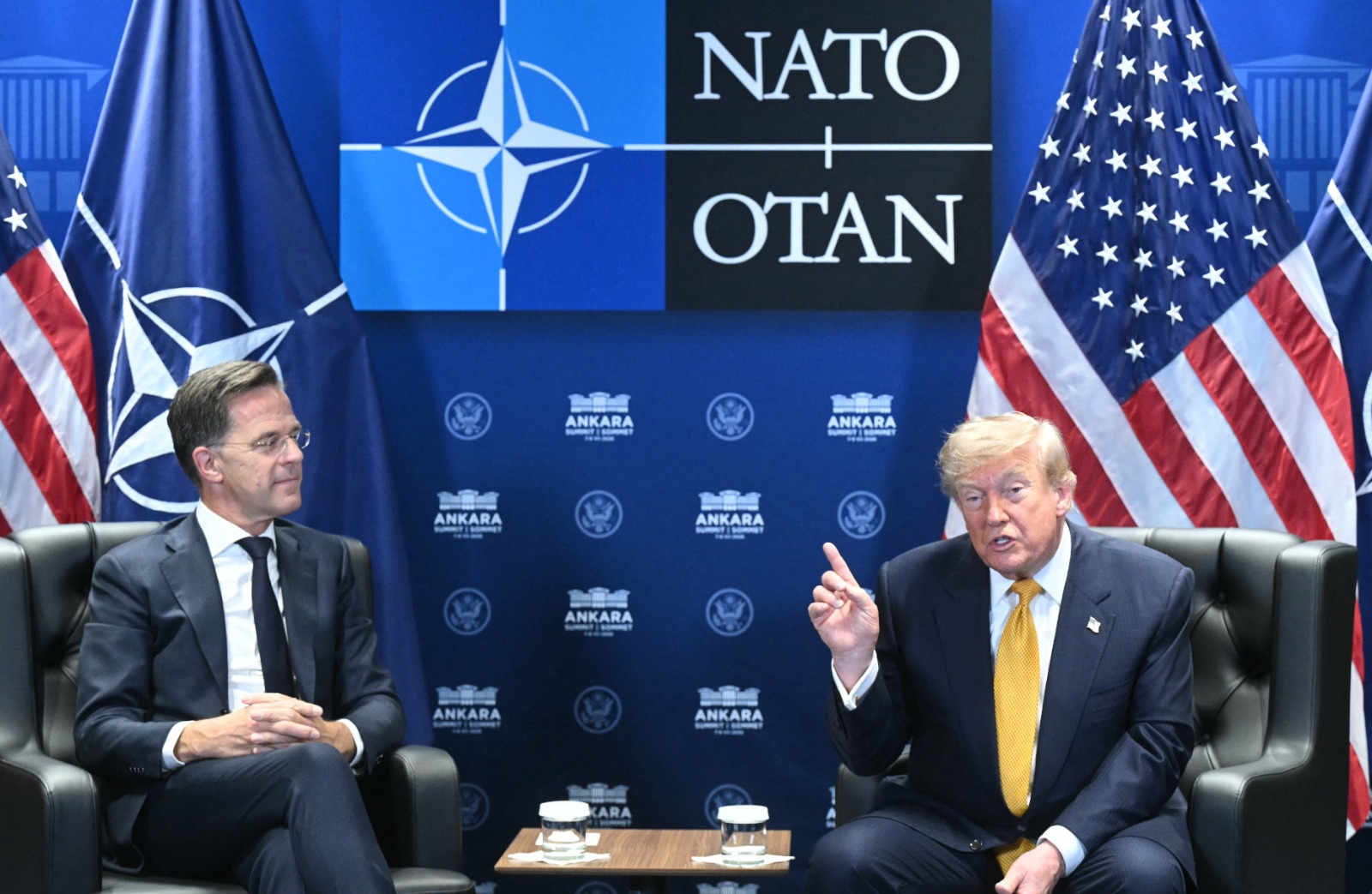
Trump’s harsh statement was issued on the sidelines of the NATO Summit in Turkey, after the United States military launched a massive airstrike on southern Iran in response to the sabotage of commercial maritime routes.
As reported by Al Jazeera on Wednesday 8 July 2026, this geopolitical crisis erupted again after three commercial tankers, including ships flagged by Saudi Arabia and Qatar, were hit by projectiles in the Strait of Hormuz. The US Central Command (CENTCOM) confirmed that its forces bombarded more than 80 targets in Iranian territory using precision munitions over the course of four hours.
The massive attack targeted air defense systems, anti-ship missiles, coastal radar systems, and drone launch sites belonging to the Islamic Revolutionary Guard Corps (IRGC) in the Port of Sirik, Qeshm Island, and Bandar Abbas.
Retaliation
In response to the aggression, the Iranian military immediately launched a measured retaliatory attack targeting 85 United States military installations in the Gulf region. The IRGC claimed to have hit the Sheikh Isa airbase in Bahrain as well as a US military base in Kuwait using waves of unmanned aerial vehicles and ballistic missiles. This retaliatory attack triggered warning sirens in Bahrain and Kuwait, and damaged several power transmission lines in Kuwait due to explosion debris.
The Chairman of the National Security Committee of the Iranian Parliament, Ebrahim Azizi, emphasized that Washington has no choice but to submit to the new maritime rules established by his country. Through his official statement on platform X, Azizi demanded full recognition of Tehran’s absolute authority over the world’s energy route. “There is no other way: recognize the new Iranian regime in the Strait of Hormuz,” Azizi stated.
This armed escalation was triggered by sharp differences regarding the interpretation of the management rights over the Strait of Hormuz. Professor Muhanad Seloom from the Doha Institute assessed that Tehran is deliberately using its military power to force a new status quo in the region. Iran aims to fully control all passing ships while imposing a unilateral tax tariff.
“Iran wants to enforce a new status quo where everything that passes through the Strait of Hormuz must be under Iranian control,” Seloom explained during an interview with Al Jazeera. According to him, the US attack this time was far more intense and geographically widespread in order to protect global energy supplies.
As an economic punitive measure, the US Department of the Treasury officially revoked the waiver on Iranian crude oil exports that had only been running for 20 days. This unilateral step by Washington is viewed by commercial risk analysts as a total destruction of the draft Islamabad MoU which was just agreed upon last month.
On the other hand, President Donald Trump also made a surprising diplomatic decision by abruptly ordering the termination of all trade and commercial relations between the United States and Spain. The situation in the Strait of Hormuz is now at a “severe” danger level, where world crude oil prices immediately surged sharply by over 5% to approach the figure of 76 million US dollars per barrel.
Iranian President Masoud Pezeshkian, who was in Iraq to oversee the funeral procession of Ayatollah Ali Khamenei, reportedly flew back to Tehran immediately to lead an emergency military meeting. The end of this ceasefire is predicted to bring the Middle East back into the abyss of a far more destructive open war.
US Attacks Iran, Ceasefire Ends
The memorandum of understanding (MoU) and ceasefire agreement between the United States and the Islamic Republic of Iran have officially ended. US President Donald Trump publicly declared that the peace agreement is over and referred to any form of negotiation with Tehran as a waste of time.
Trump’s harsh statement was issued on the sidelines of the NATO Summit in Turkey, after the United States military launched a massive airstrike on southern Iran in response to the sabotage of commercial maritime routes.
As reported by Al Jazeera on Wednesday (8/7/2026), this geopolitical crisis erupted again after three commercial tankers, including ships flagged by Saudi Arabia and Qatar, were hit by projectiles in the Strait of Hormuz. The US Central Command (CENTCOM) confirmed that its forces bombarded more than 80 targets in Iranian territory using precision munitions over the course of four hours.
The massive attack targeted air defense systems, anti-ship missiles, coastal radar systems, and drone launch sites belonging to the Islamic Revolutionary Guard Corps (IRGC) in the Port of Sirik, Qeshm Island, and Bandar Abbas.
Retaliation
In response to the aggression, the Iranian military immediately launched a measured retaliatory attack targeting 85 United States military installations in the Gulf region. The IRGC claimed to have hit the Sheikh Isa airbase in Bahrain as well as a US military base in Kuwait using waves of unmanned aerial vehicles and ballistic missiles. This retaliatory attack triggered warning sirens in Bahrain and Kuwait, and damaged several power transmission lines in Kuwait due to explosion debris.
The Chairman of the National Security Committee of the Iranian Parliament, Ebrahim Azizi, emphasized that Washington has no choice but to submit to the new maritime rules established by his country. Through his official statement on platform X, Azizi demanded full recognition of Tehran’s absolute authority over the world’s energy route. “There is no other way: recognize the new Iranian regime in the Strait of Hormuz,” Azizi stated.
This armed escalation was triggered by sharp differences regarding the interpretation of the management rights over the Strait of Hormuz. Professor Muhanad Seloom from the Doha Institute assessed that Tehran is deliberately using its military power to force a new status quo in the region. Iran aims to fully control all passing ships while imposing a unilateral tax tariff.
“Iran wants to enforce a new status quo where everything that passes through the Strait of Hormuz must be under Iranian control,” Seloom explained during an interview with Al Jazeera. According to him, the US attack this time was far more intense and geographically widespread in order to protect global energy supplies.
As an economic punitive measure, the US Department of the Treasury officially revoked the waiver on Iranian crude oil exports that had only been running for 20 days. This unilateral step by Washington is viewed by commercial risk analysts as a total destruction of the draft Islamabad MoU which was just agreed upon last month.
On the other hand, President Donald Trump also made a surprising diplomatic decision by abruptly ordering the termination of all trade and commercial relations between the United States and Spain.
The situation in the Strait of Hormuz is now at a “severe” danger level, where world crude oil prices immediately surged sharply by over 5% to approach the figure of 76 million US dollars per barrel.
Iranian President Masoud Pezeshkian, who was in Iraq to oversee the funeral procession of Ayatollah Ali Khamenei, reportedly flew back to Tehran immediately to lead an emergency military meeting. The end of this ceasefire is predicted to bring the Middle East back into the abyss of a far more destructive open war.