The dry season is not only characterized by hotter weather but also by reduced water availability for plants. The Meteorology, Climatology, and Geophysics Agency (BMKG) has released its Plant Water Availability (ATi) Forecast, which illustrates soil water conditions to support plant growth over the next three months.
The forecast categorizes water availability into three levels: low (below 40 percent), moderate (40–60 percent), and adequate (above 60 percent). This information can serve as a reference for the public in adjusting plant care and cultivation according to conditions in their respective regions.
Under these circumstances, choosing drought-tolerant plants is a simple way to keep home gardens green while conserving water. Some plants have the ability to store water reserves or naturally adapt to relatively dry environments, allowing them to thrive without daily watering.
Here are five plants that are well-suited for the dry season.
1. Snake Plant
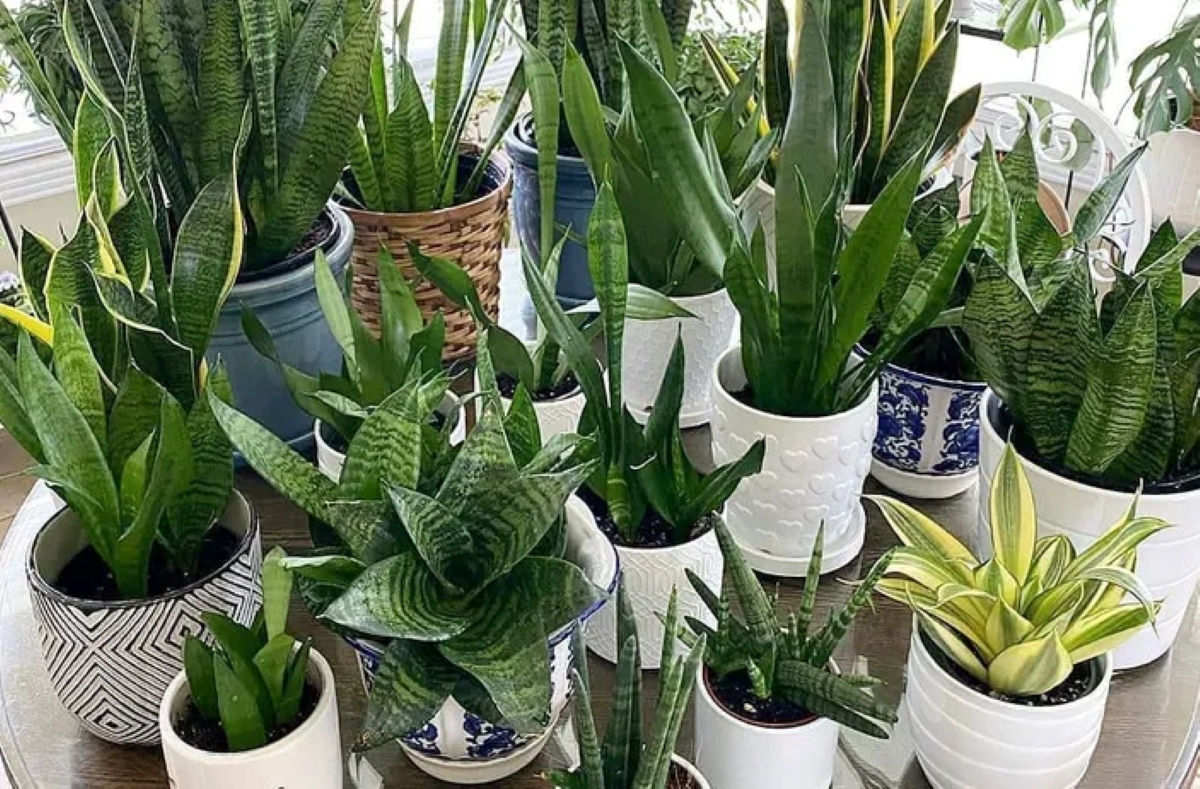
The snake plant (Sansevieria) is well known for its ability to withstand dry conditions thanks to its Crassulacean Acid Metabolism (CAM) photosynthesis process. This adaptation allows the plant to open its leaf pores at night, reducing water loss through evaporation during the day.
Because of this characteristic, snake plants require only infrequent watering and are ideal for gardens, patios, offices, or indoor spaces. Their upright, sword-like leaves also make them a popular ornamental plant.
2. Aloe Vera
Aloe vera (Aloe barbadensis Miller) originates from the hot, arid regions of the Arabian Peninsula. Its thick, fleshy leaves store water, enabling the plant to continue growing even when watering is infrequent or rainfall is scarce.
This ability allows aloe vera to adapt well to Indonesia’s tropical climate, particularly during the dry season, making it an excellent choice for home gardens.
Besides being easy to maintain, aloe vera is widely used as a medicinal herb, a beauty care ingredient, and an ornamental plant.
3. Bougainvillea
Bougainvillea, commonly known as the paper flower, is an ornamental plant native to South America. It is famous for its vibrant blooms, which come in shades of red, pink, purple, orange, and white.
The plant is highly tolerant of heat and drought, allowing it to flourish even with minimal watering.
Bougainvillea also thrives in full sunlight, making it ideal for open yards and gardens. Thanks to its adaptability to tropical climates, it is commonly planted throughout Indonesia as a decorative feature for gardens, fences, and home landscapes.
4. Beluntas
Beluntas (Pluchea indica) is a shrub widely found in tropical regions, including Indonesia.
The plant is highly resistant to dry weather and is capable of growing in rocky soil. Its adaptability makes it a popular choice as a living fence or garden plant.
In addition, beluntas leaves have long been used in Indonesia as both a vegetable and a traditional medicinal herb. Rich in antioxidants and various natural compounds, the plant is believed to offer numerous health benefits in traditional medicine.
5. Succulents
Succulents are well known for their ability to survive in environments with limited water.
They possess thick leaves, stems, or roots that store water, allowing them to continue growing during the dry season or when watering is not carried out daily.
Many succulent species also have root systems capable of rapidly absorbing water after rainfall and storing it for use during prolonged dry periods.
Thanks to these characteristics, succulents are an excellent choice for decorating windowsills or displaying in glass cabinets, while requiring relatively little maintenance.
Keeping a home garden green during the dry season does not necessarily mean using more water. By selecting plants that are well suited to local climate conditions and making use of BMKG’s water availability forecasts, people can care for their plants more efficiently while adapting to increasingly frequent changes in weather patterns.***