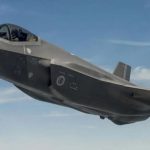
THE THOUGHTS OF THE PEOPLE OF SULTENG – The world is currently holding its breath watching developments in the Strait of Hormuz. Entering the 66th day of tensions, the region has become the site of the most dangerous show of force in decades. Recent reports confirm that President Donald Trump has announced a new codenamed military mission Project Freedom.
This mission aims to provide military escort to tanker ships trapped in the strait due to blockades and threats of attack. Trump explicitly stated his confidence that the United States had full control over navigation in Hormuz. However, Tehran immediately responded with a harsh tone to this statement. Iran claims to have succeeded in locking in targets and is ready to attack US warships if they encroach on Iran’s sovereign territory.
Captain Raman Kapoor, a maritime expert, warned in an interview that “no ship will try to be a hero” by crossing the strait without guarantees of total safety. These tensions have triggered a surge in volatility in global energy markets, although some analysts say oil prices are still relatively stable because the market has “got used” to the warlike rhetoric of the past two months.
Also Read: Local German Journalists Receive Special Honors from the President of Germany
Humanitarian and Security Crisis in Gaza
Turning to the rest of the Middle East, Al Jazeera correspondent Hani Mahmoud provides in-depth reflections on a year of coverage of the war in Gaza. In a deeply emotional narrative, Mahmoud describes how thin the line is between being a professional journalist and a frightened father.
Conditions on the ground show that Palestinians have now completely lost their safe haven. Reports from Al Zuwayda, Central Gaza, confirm that the escalation of violence continues to increase. Civil infrastructure was destroyed, and residents were forced to move from one ruin to another. Mahmoud stressed that his wish was only one: to stop reporting about deaths and start reporting about a permanent ceasefire. However, until May 2026, this hope still seems very far from reality.
Also Read: Liberation Project and Trump’s Big Gamble in the Strait of Hormuz
In South Asia, history is just being made. The Bharatiya Janata Party (BJP) under the leadership of Prime Minister Narendra Modi succeeded in winning elections in West Bengal for the first time. This victory is considered a tectonic shift in India’s political landscape, considering that Bengal for the past five decades was the last bastion for left-wing forces and regional opposition.
AJE analysis states that this victory strengthens the BJP’s “Hegemonic Power” narrative in India. This will certainly have an impact on India’s domestic and foreign policies in the future, especially in its relations with neighboring countries such as Nepal and China, which are currently also at odds regarding territorial disputes on the Himalayan border.
Anti-Drone Systems in the Gulf
One of the interesting technical aspects of the 2026 conflict is the use of new combat technology. Anti-drone system “Sky Map” Ukrainian-owned company is now reportedly starting operations in the Gulf region. This system, which has been tested on European battlefields, uses thousands of acoustic sensors and interceptors to disable suicide drones before they reach their targets.
The presence of this technology in the Gulf region indicates that modern conflict is no longer just about the number of troops, but about the supremacy of sensors and artificial intelligence. This also shows the existence of increasingly complex cross-regional military cooperation between Western allies and countries in the Middle East.
Entering the middle of 2026, the global picture is dominated by two things: technological boldness and diplomatic failure. From the crisis in the Strait of Hormuz to the endless suffering in Gaza, the world appears to be testing the limits of international law.***