News Screen – Iran says it has not taken a final decision regarding a deal to end the conflict in the Middle East, even though United States President Donald Trump claims a peace agreement will be signed in the next few days.
Trump’s statement delivered on Thursday, June 11 2026, raised optimism in global financial markets. Oil prices fell and stock markets rose after hopes emerged that the war involving the United States, Israel and Iran could end soon.
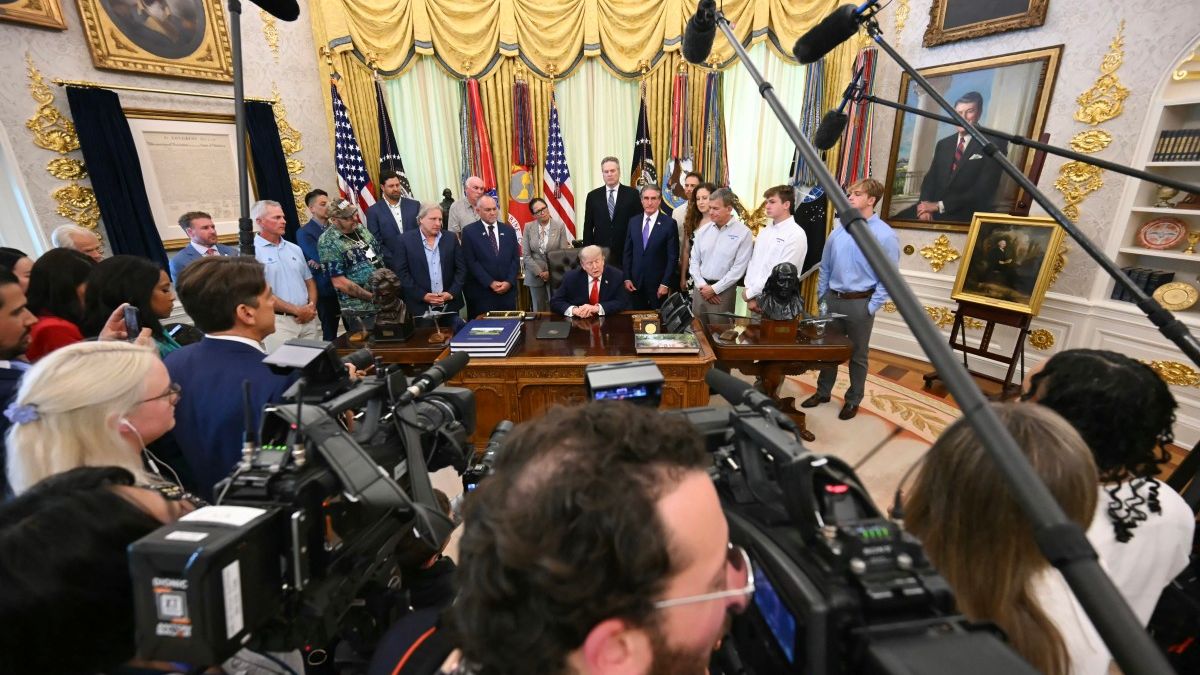
Trump said discussions on the deal had reached the highest levels of Iran’s leadership and had received approval from relevant parties. He even said he had canceled plans for a military attack on Iran which was previously scheduled to take place at night.
Also Read: US-Iran Conflict Heats Up, Retaliatory Attacks Trigger Tensions in the Strait of Hormuz
According to Trump, a number of main points in the draft agreement have been agreed to by the United States, Israel and several allied countries in the Middle East region. He also stated that the time and location of the signing would be announced soon.
However, this statement immediately received a cautious response from Tehran. Iran’s Foreign Ministry spokesman, Esmaeil Baqaei, emphasized that his country had not yet reached a final decision on the deal.
He explained that most of the draft agreement had indeed been completed, but the negotiation process again faced obstacles after the United States put forward new demands and changed a number of positions that had previously been discussed.
A similar attitude was also expressed by a number of media and observers in Iran. They believe that Trump’s claims regarding the peace agreement need to be addressed carefully until there is an official statement from the Iranian government regarding the reaching of an understanding.
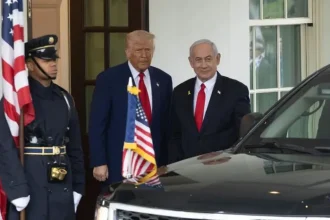
Meanwhile, the Israeli Prime Minister’s Office stated that Prime Minister Benjamin Netanyahu had spoken with Trump regarding the latest developments in negotiations. In the communication, Trump is said to have emphasized that any agreement would have to include the transfer of Iran’s enriched nuclear material as well as the dismantling of certain missile infrastructure.
The conflict that had been going on since the end of February had subsided after a ceasefire was reached in April. However, until now, efforts to achieve permanent peace still face various political and security obstacles.
In the midst of the ongoing diplomatic process, tensions in the region have not completely subsided. Iran again warned of possible regional repercussions if there was a new attack from the United States.
Iranian General Ali Abdollahi emphasized that his country would respond more harshly if it was again targeted by military attacks. According to him, the escalation of conflict has the potential to expand instability in the Middle East region.
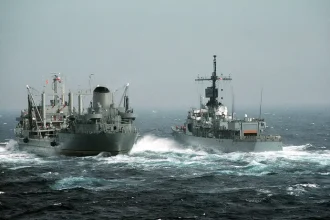
Concerns also increased after Iran reiterated the closure of the Strait of Hormuz, a strategic route that is one of the main routes for world oil and gas trade. This policy has the potential to affect global energy supplies if it lasts for a long period of time.
Although the chances of reaching a peace agreement are beginning to appear, the differences in statements between Washington and Tehran show that the negotiation process is still ongoing and has not yet reached the final stage.
Observers assess that the success of diplomacy in the next few days will be a determining factor for regional stability and the world energy market.***