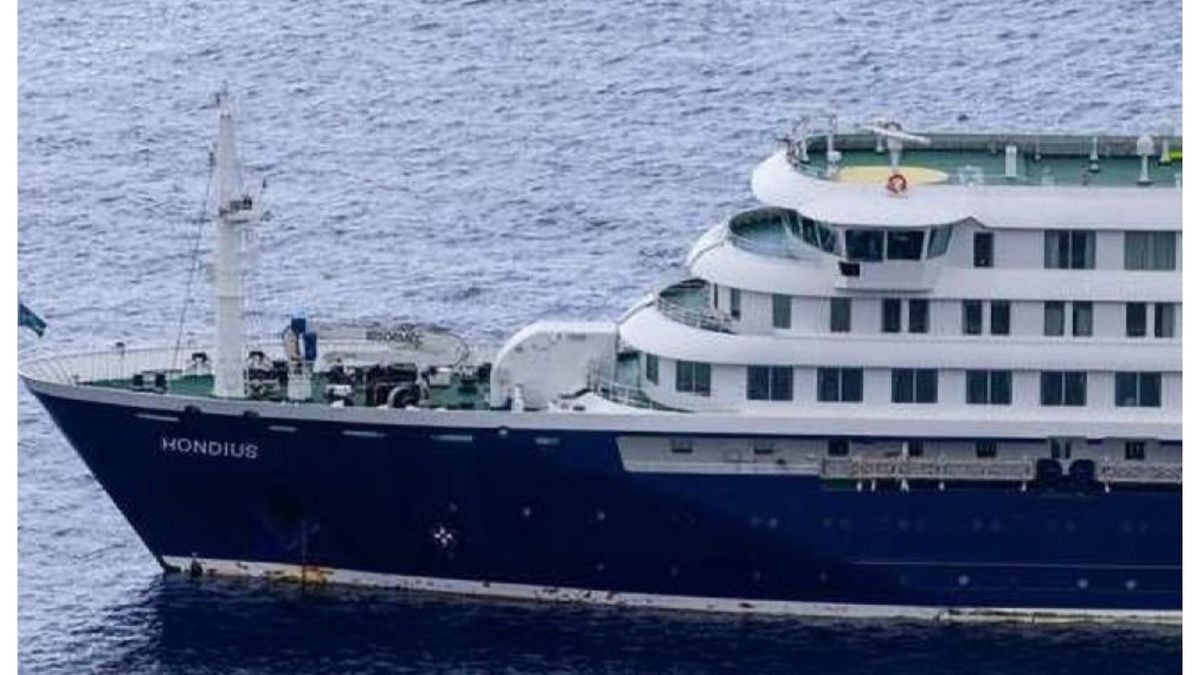
LATEST KALBAR – The international shipping world was shocked after reports emerged of the spread of Hantavirus on the MV Hondius expedition cruise ship sailing in the South Atlantic Ocean.
This case attracted world attention because it allegedly caused several passengers to fall ill and die during the ship’s long journey.
The World Health Organization or WHO is even monitoring developments in the situation because passengers come from various countries.
Also read: Getting to know Hantavirus, from transmission, symptoms to prevention
Starting from Expedition Sailing
MV Hondius is a Dutch-flagged expedition cruise ship that travels from Argentina to the South Atlantic region and several remote islands. This ship carries around 150 passengers and crew from various countries.
However, on the way, a number of passengers began to experience mysterious symptoms such as:
High fever
Muscle pain
Respiratory disorders
The body’s condition weakens quickly
Initially, the case was thought to be a common disease. But after several passengers died and the results of laboratory tests came out, health authorities found a strong suspicion of hantavirus infection.
The ship was stuck near Cape Verde
The situation became even more tense when ships were not immediately allowed to dock in several areas due to concerns about the spread of disease.
MV Hondius was near Cape Verde before the evacuation process was finally carried out towards the Tenerife area. Passengers and crew were then screened one by one under strict supervision from international health authorities.
According to the latest reports, several countries have even prepared special quarantine for their citizens on these ships.
What is Hantavirus?

The MV Hondius cruise ship was attacked by a hantavirus outbreak. AFP
Hantavirus is a virus that is generally transmitted by rodents such as mice. Transmission can occur through:
- Mouse urine
- Saliva
- Dried rat droppings are then inhaled by humans
In some cases, this virus can cause a serious lung disorder known as Hantavirus Pulmonary Syndrome (HPS).
What makes the MV Hondius case even more highlighted is the suspected involvement of the Andean hantavirus strain, a type which under certain conditions is thought to be able to transmit between humans through very close contact.
Why are cruise ships vulnerable to being in the spotlight?
Cruise ships have a closed environment with very intense interaction between occupants. If an infectious disease enters a ship, its spread could be of great concern because:
- Passengers stay together for a long time
- Using the same public facilities
- Ventilation and closed spaces increase the risk of transmitting certain diseases
Even so, experts emphasize that hantavirus remains a rare disease and the risk of widespread spread to the general public is still low.
Symptoms to Watch Out for
The initial symptoms of hantavirus often resemble the common cold, such as:
- Fever
- Headache
- Muscle pain
- Nauseous
- Body limp
However, a few days later, the condition can develop into:
- Severe shortness of breath
- Cough
- Serious lung problems
- Decreased blood pressure
Therefore, early detection is very important so that patients receive medical treatment more quickly.
Important Lessons from This Case
The case on the MV Hondius is a reminder that even rare diseases can still appear in the midst of international tourism activities. Environmental cleanliness, pest control and health checks during travel are becoming increasingly important in the era of global mobility.
Although the hantavirus case on the cruise ship is still being investigated, world health authorities assess that the situation can still be controlled and the public is asked not to panic.
***