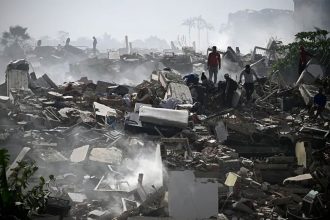
BUTOLPOST – Russia again stated its readiness to end the war with Ukraine through diplomacy. However, behind this statement, Moscow continues to emphasize a number of strategic conditions which have been the main point of difference with Kiev and Western countries.
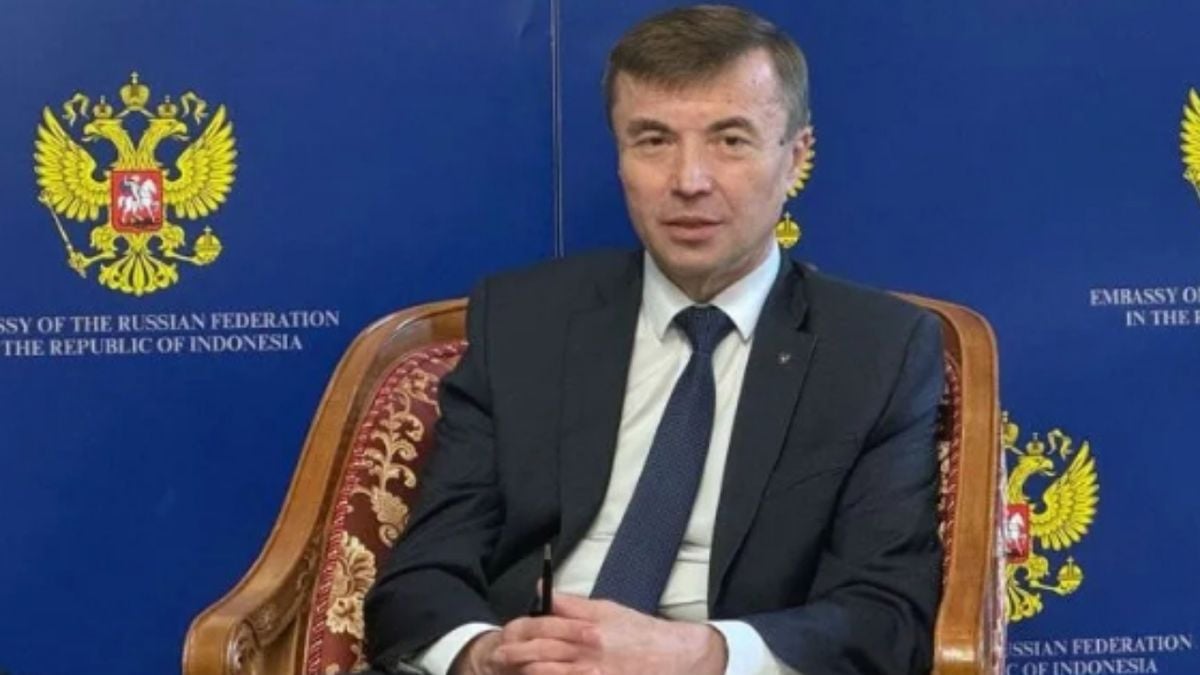
The Russian Ambassador to Indonesia, Sergey Tolchenov, said that his country since the start of the conflict in 2022 had opened up opportunities for reaching a peace agreement with Ukraine.
According to Tolchenov, in 2022 the two parties have actually reached a number of agreements through the negotiation process. Russia, he said, at that time was only waiting for the signing of the peace agreement that had been formulated by the negotiating team.
However, Tolchenov accused Western interference as one of the causes of the failure of the process. He said former British Prime Minister Boris Johnson encouraged Ukraine to continue the war so that the agreement that had been drafted was never signed.
Tolchenov made this statement at a press briefing in Jakarta, Wednesday. He also emphasized that Russia still opened up space for dialogue and was ready to continue discussions based on previously agreed points.
In fact, according to Tolchenov, Russian President Vladimir Putin has expressed his willingness to meet directly with Ukrainian President Volodymyr Zelenskyy if necessary in the peace process.
However, Russia admits that the road to peace is still full of challenges. Moscow believes that a number of European countries are still encouraging Kiev to maintain military resistance, making the chances of reaching a peace agreement more difficult.
In Russia’s view, peace is not enough just to stop fighting, but must include long-term agreements that guarantee Russia’s national security interests.
Tolchenov mentioned several main conditions that Moscow wants, including the absence of NATO bases in Ukraine, Ukraine’s status as a non-nuclear and non-aligned country, and protection of the rights of Russian-speaking citizens and other minority groups.
Apart from that, Russia also emphasized that territorial issues must be part of the final agreement. Moscow considers the status of the Crimea, Kherson, Donetsk, Lugansk and Zaporozhye regions to be clear and necessary to be recognized in a peace agreement.
This statement shows that even though Russia states that it is ready for dialogue, the path to peace still depends on the ability of both parties to find common ground on fundamental issues that have been the source of conflict.
In the midst of ongoing diplomatic efforts, the international world is now waiting to see whether the opportunity for a direct meeting between Putin and Zelenskyy can be an entry point for creating more permanent peace in the Eastern European region.***