News Screen – Tensions between the United States and Iran increased again after the two sides launched attacks on each other in the Strait of Hormuz area on Thursday, amid efforts to maintain a ceasefire that has been in place since April 2026.
US President Donald Trump said the ceasefire was still in effect despite attacks on three American warships in the Strait of Hormuz. Trump called the incident a “trivial thing”, but said Washington was ready to respond more forcefully if Iran did not reach a deal soon.
“The ceasefire is still in effect. We will act more forcefully if they don’t agree to an agreement soon,” Trump said.
Also Read: Iran Denies Attacking Ships in Strait of Hormuz, Trump Threatens to Continue Bombing
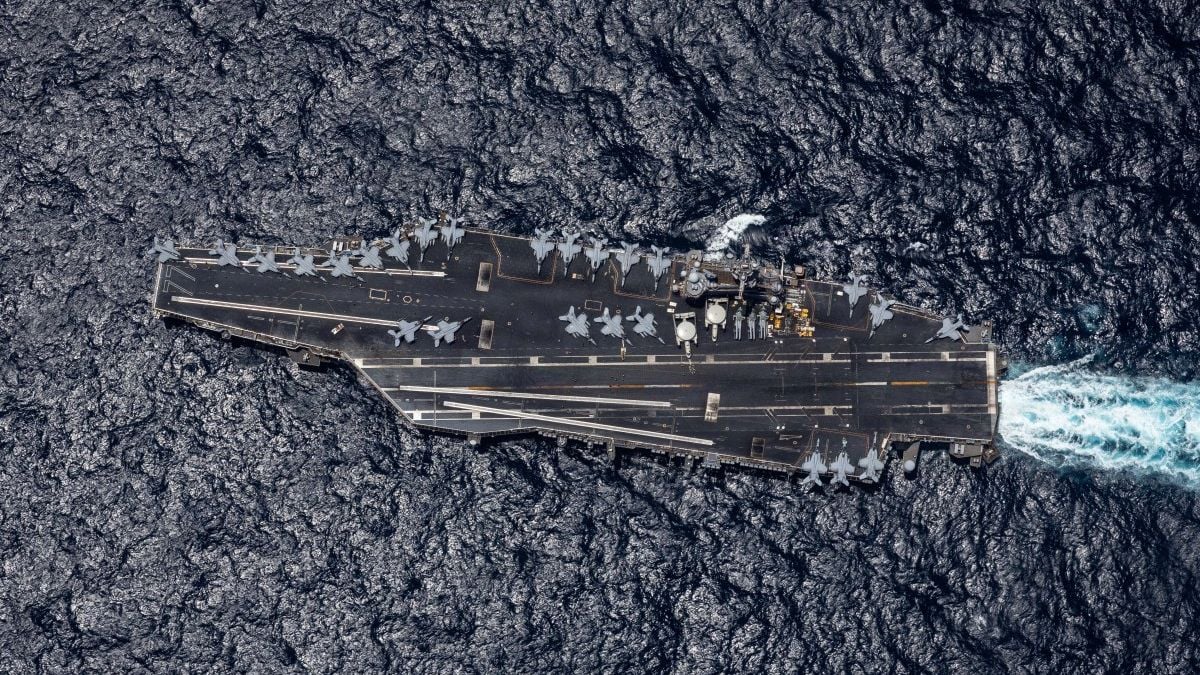
Meanwhile, the United States Central Command (CENTCOM) said Iranian forces launched missiles, drones and small boats at three US warships. According to CENTCOM, all threats were thwarted and the US military then attacked Iranian military facilities deemed responsible for the attack.
On the other hand, the Iranian military accused the United States of violating the ceasefire by attacking oil tankers and other ships. Tehran claims the attack on the US warship was carried out in retaliation.
This latest conflict is considered to have the potential to derail the fragile ceasefire that came into effect on April 8, after the prolonged war between the US, Israel and Iran sparked tensions in various regions of the Middle East.
The situation in the Strait of Hormuz also has an impact on world energy trade routes. Iran previously restricted shipping activities in the area, which is the main route for international distribution of oil and gas.
Secretary General of the UN International Maritime Organization, Arsenio Dominguez, said that around 1,500 ships and 20,000 international crew members were still stuck in the Gulf region due to the ongoing conflict.
In the midst of increasing tensions, the Pakistani government is said to continue trying to act as a mediator to maintain the chances of reaching a long-term agreement between Washington and Tehran.
Pakistani Prime Minister Shehbaz Sharif previously expressed optimism that the ceasefire could develop into a more permanent peace.
Regional tensions also spilled over into Lebanon after an Israeli strike in south Beirut reportedly killed a Hezbollah commander. The US government confirmed new talks between Israel and Lebanon are scheduled to take place in mid-May to ease the security situation in the region.
Apart from that, US Secretary of State, Marco Rubio, said that the opportunity to reach a peace agreement between Israel and Lebanon was still open, although the Hezbollah issue remained the main issue in negotiations. ***