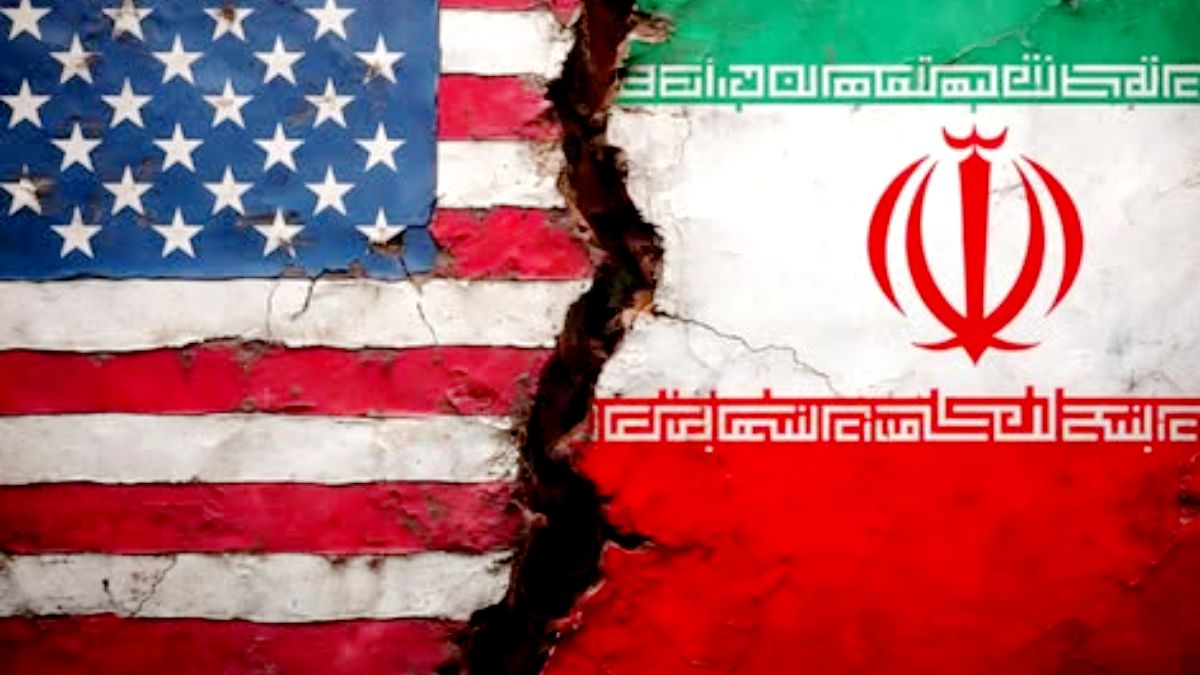
WONOSOBO NEWS – America and Iran ended intense talks in Islamabad without a deal, leaving a fragile ceasefire under increasing pressure.
More than 12 hours of face-to-face negotiations between the United States and Iran ended without a deal in Islamabad on Sunday, potentially setting the stage for a return to war.
Pakistan, which has spent weeks positioning itself as a mediator, is still trying to get the two countries to reach an agreement.
But officials acknowledge a more difficult phase is now taking American and Iranian negotiators back to disagreements and into full-scale war again.
Also read: Philippines accuses China of using cyanide to poison disputed waters
“Pakistan has and will continue to play its role to facilitate engagement and dialogue between the Islamic Republic of Iran and the United States in the days ahead,” Pakistani Deputy Prime Minister and Foreign Minister Ishaq Dar said in a statement after the end of the talks, as reported by Al Jazeera, Tuesday.
The talks, which were the highest-level direct meetings between Washington and Tehran since the 1979 Islamic Revolution, stalled due to disagreements over Iran’s nuclear program.
“The fact is that we need to see a firm commitment that they will not seek nuclear weapons, and they will not seek tools that would allow them to quickly achieve nuclear weapons,” said US Vice President JD Vance, who led the American delegation along with special envoy Steve Witkoff and US President Donald Trump’s son-in-law Jared Kushner.
Also Read: Trump-Iran Agree to Two-Week Ceasefire
However, according to Iran, the failure of the negotiations was very different.
In a post on
The reference to the “Islamabad MoU”, a memorandum of understanding, is the clearest public signal to date that the two sides are closer to a formal agreement than either government previously acknowledged.
Iran’s Parliament Speaker Mohammad Bagher Ghalibaf, who led the country’s delegation, said his team had proposed initiatives, but failed to gain buy-in.
“Because of the experience of the two previous wars, we have no confidence in the opposing side,” he wrote on Sunday.
Also Read: Pakistan Offers Cease to US-Israel Aggression to Iran, Tehran Refuses to Open Strait of Hormuz
Tehran’s key demands, including a halt to Israeli attacks on Lebanon, the release of $6 billion in frozen assets, guarantees for its nuclear program and the right to prosecute ships passing through the Strait of Hormuz, remain unfulfilled.
Pakistani and Iranian sources confirmed that the Iranian delegation met with senior Pakistani officials on Sunday before leaving for Tehran, although details of the discussions remained unclear.***