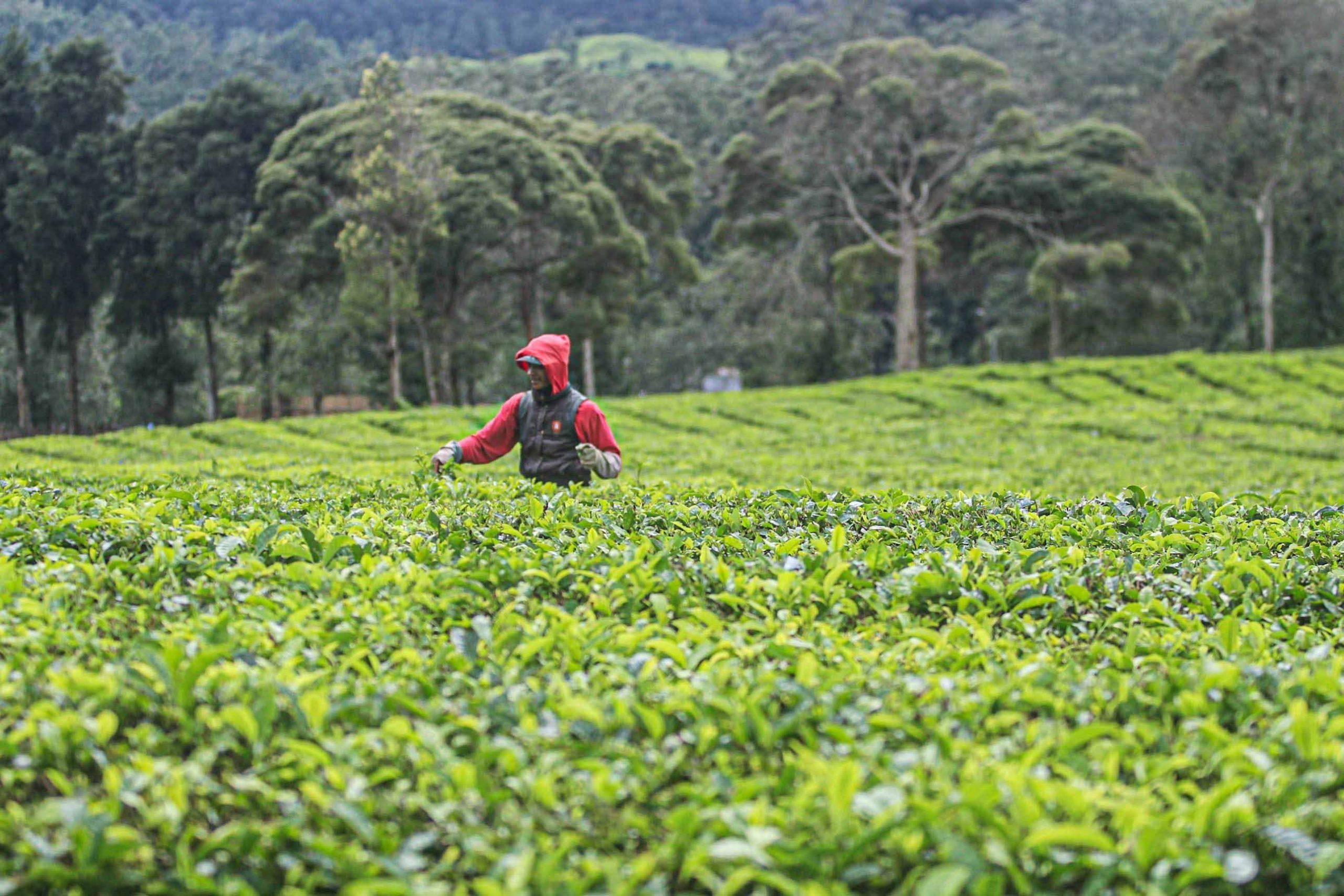
Despite the promising climate of West Java, which is inherently ideal for cultivating coffee, tea, and cocoa, the region’s export potential faces significant hurdles. The primary challenges hindering growth are stagnant productivity and a lack of generational renewal among farmers. However, these three commodities remain vital pillars for regional economic development. To bridge the gap between local production and global demand, the West Java International Industry and Trade Expo 2026 is set to be held from June 12–14, 2026, at Summarecon Bandung, serving as a gateway for investors to explore these untapped opportunities.
Navigating Global Economic Headwinds
Even amidst the pressures of a weakening rupiah and ongoing geopolitical instability, West Java managed to achieve an impressive trade surplus exceeding $38 billion in 2025. While the manufacturing industry continues to act as the primary engine for these exports, the sector frequently relies on imported raw or auxiliary materials.
In contrast, the agricultural sector—specifically coffee, tea, and cocoa—has been quietly but steadily expanding. Nining Yuliastiani, Head of the West Java Industry and Trade Office, noted during the Bewara Jabar event at Gedung Sate on June 9, 2026, that the agricultural sector harbors an extraordinary, ever-growing market share. Although its current contribution to total exports stands at a modest 0.65%, the year-on-year growth trajectory signals immense promise for leveraging local natural resources to benefit the wider community.
A Legacy of Cultivation and Production
West Java boasts a deep-rooted historical connection to tea and coffee, which continue to dominate the land use in the region:
-
Tea: With 74,077 hectares of land—accounting for 79.21% of Indonesia’s total tea plantation area—West Java produced 90,514 tons in 2025.
-
Coffee: The region maintained 57,313 hectares of coffee farms, yielding a total production of 26,369 tons.
-
Cocoa: While the footprint is smaller at 5,334 hectares with 1,496 tons of production, it remains a high-value sector, with Kuningan Regency serving as the premier hub for quality output.
The Power of Downstream Processing (Hilirisasi)
While tea and coffee have long histories, the cocoa sector has emerged as a strategic powerhouse due to its shift toward downstream processing. By moving away from bulk sales and focusing on value-added products, cocoa has achieved remarkable export efficiency.
In 2025, West Java exported 75 million tons of cocoa, generating a staggering $680 million. For comparison, the coffee sector exported 5.3 million tons, earning $33.8 million, while tea—despite its higher production volume of over 21 million tons—generated $33 million. This stark disparity underscores a vital lesson for the regional economy: moving up the value chain through processing is the most effective way to maximize export revenue.
Strategic Outlook: Beyond Raw Commodities
To ensure that West Java’s agricultural commodities reach their full potential, stakeholders must shift focus from mere volume to sustainable value creation. The high suitability of the West Javanese climate provides a natural competitive advantage, but modernization is key to scaling production.
Furthermore, the domestic market remains a strong backbone for the industry. A high consumption rate of instant and sachet coffee—particularly in agrarian districts—provides a stable foundation for producers to refine their products before entering the international stage. By addressing the aging farmer demographic through technology and incentivizing downstream investment, West Java is well-positioned to transform its historical agricultural strengths into a modern, high-value export powerhouse.