THE MIND OF THE PEOPLE — Israeli attacks on Gaza killed a water engineer and two drivers transporting water to refugee families in the span of four days in mid-April 2026, exacerbating an already dire shortage of clean water and fueling the spread of preventable diseases.
Quoting The Guardian, the latest attack was shooting at the al-Zein well in northern Gaza on Monday, April 27 2026 when water engineers were working in it. The attack killed one person, injured four others, and caused major structural damage to a water source that was claimed to serve thousands of local residents.
Four days earlier, Israeli forces shot dead two drivers working for Unicef at the main water collection point for northern Gaza, with two other people injured in the same attack.
Omar Shatat, deputy director of the Gaza coastal municipality’s water utility, stated, “Since the start of the war, we have lost around 19 workers from water facilities who were carrying out repair and distribution work. Targeting has become part of the operational reality.”
- Also Read: Ministry of Foreign Affairs Condemns Israeli Military ‘Rising Lion’ Banner on Ruins of Indonesia-Gaza Hospital
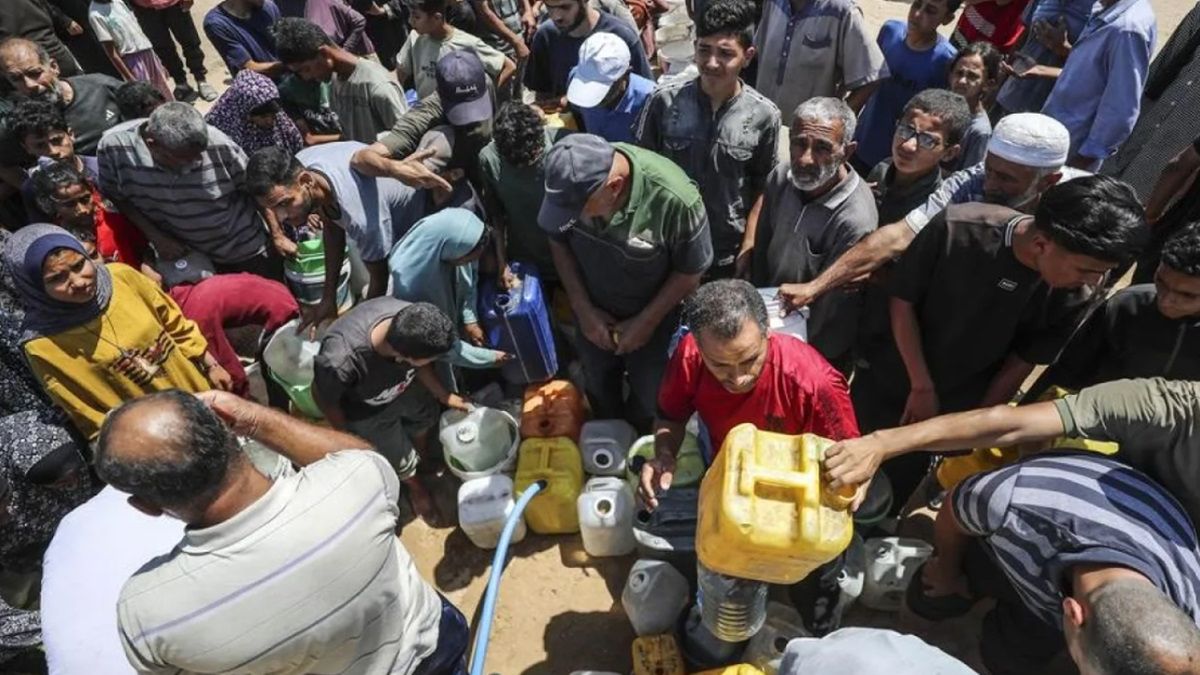
Gaza’s current water supply is far below humanitarian standards. The UN sets a minimum standard of 50 to 100 liters of water per person per day except in emergency situations. But across Gaza, the average daily supply is only 7 liters of drinking water and 16 liters of domestic water per person, according to Unicef. Many residents do not even have access to a minimum of 6 liters of clean drinking water per day.
The impact of this water shortage is felt directly by residents. Omar Saada, 38, a father of four in Khan Younis, said one water truck serves more than 50 families in his area.
“We wake up as early as 06.00 to be able to collect water from trucks. It used to be available from morning until after noon, but now it’s usually only two hours,” he said.
He admitted that he was forced to reduce bathing and washing clothes, which caused his children to get skin infections. “It sometimes causes intestinal infections and stomach aches due to contamination, but we are forced to drink it because it is the only water available,” he said again.
- Also read: Israeli attack allegedly hits area near refugee camp in Gaza, 1 killed and 8 injured
Nesma Rashwan, 31, a mother of five who lives in a tent in al-Qarara, said water trucks only come to her area once a week. “For about a year now, we have not had clean drinking water that can truly quench our thirst,” he said. He sent his children to bathe in the sea because there was not enough clean water.
Quoting The Guardian, Laureline Lasserre from Médecins Sans Frontières or MSF stated that this condition is the root of most of the diseases treated every day.
“No clean water, no soap, crowded living conditions; these are the root causes of most of the cases we deal with every day,” he said.
He added that women experience infections because they cannot wash during menstruation and after giving birth, babies repeatedly get sick because there is no clean water for formula milk, and wounds become infested with larvae because they cannot be washed. MSF doctors also report psychological problems including suicidal ideation triggered by extreme water shortages.
The crisis was exacerbated by Israeli restrictions on shipments of soap, detergent and other hygiene products to Gaza, forcing prices to soar. A 7-kilogram pack of detergent now sells for 100 shekels or more, up from 50 shekels previously, according to a trader at Deir al-Balah market.
- Also read: More than 38,000 women and girls in Gaza were killed as a result of the Israeli attack
Shatat said his party was forced to innovate by recycling spare parts from destroyed facilities. “We collected usable spare parts from several destroyed wells to operate one functioning well,” he said. Earlier this month, fragments of an Israeli airstrike damaged power lines to the Deir al-Balah desalination plant that supplies water to up to 400,000 people, forcing it to operate at only 20 percent capacity for a week.
Israel denies there are any restrictions on equipment or fuel needed to run Gaza’s water and sanitation systems. A spokesman for Cogat, the Israeli agency that oversees aid in Palestine, said there were four active water pipes supplying Gaza and claimed the total supply was around 70,000 cubic meters per day or around 30 liters per person.
When asked about the shooting of the truck driver, the IDF said the troops who opened fire had “sensed a threat” without providing further details. When asked about the water engineer who died at the al-Zein well, the IDF refused to comment.