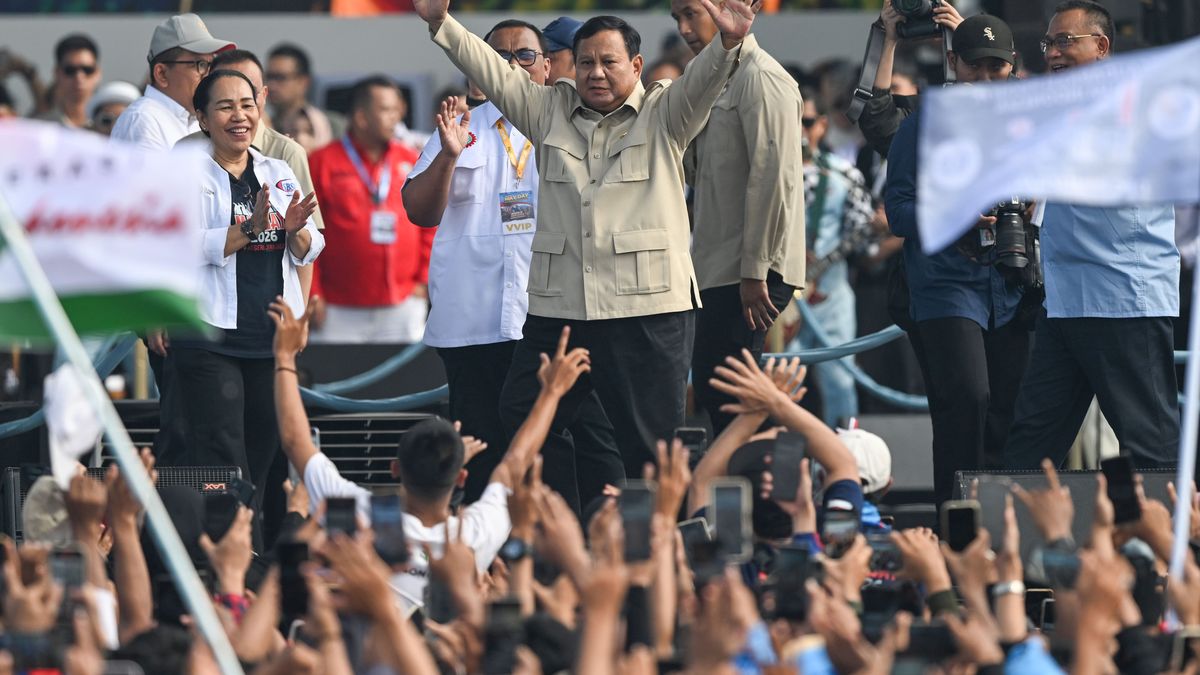
Bulukumba News – Friday, 1 May 2026, 07.00 am Sydney time. Hundreds of workers filled the city’s streets, banners flying in demonstrations calling for peace, higher wages and more humane working conditions as reported The Washington Post.
On the other side of the globe, Buenos Aires was still wet from last night’s rain when thousands of Argentine workers began gathering in front of union offices.
Their anger is not without reason: President Javier Milei has just overhauled labor protections that have long been the stronghold of workers, accompanied by an alarming spike in unemployment figures.
Also Read: On the Verge of Armageddon: The Greater Israel Conspiracy and the Business Ambition Behind Gunpowder
The motto “Workers Over Billionaires”
This is no ordinary World Labor Day. May Day 2026 marks a major resurgence in labor activism, particularly in the United States, with nationwide demonstrations highlighting increasingly suffocating economic pressures and long-held worker frustrations.
In advance, nearly 500 organizations planned more than 750 rallies across America, with workers boycotting jobs, schools and shopping under the slogan Workers Over Billionaires, according to reports. Fox News.
That motto is a diagnosis of a wound that has been left open for too long.
Also read: Shamsi Ali: ‘Indonesia owes a debt of gratitude to Jusuf Kalla’
What makes 2026 different is the scale and coordination of its movements. Instead of isolated protests, organizers are pushing for concerted national action designed to prove how essential workers are to the running of the economy. One of the characteristics of the May Day 2026 action is the call for economic blackout — a concept that goes beyond traditional protest methods.
The strategy is simple but sharp: don’t work, don’t go to school, don’t shop. One day without economic activity, to prove who really moves the world.
Educators, parents, students, and community members are joining in this action to take back their power — because their lives, public schools, and health care are worth fighting for, the National Education Association (NEA) said in a statement.
Also Read: World Book Day April 23: Exploring the Global Literacy Ecosystem from Madrid to Rabat
In Chicago — the city that birthed May Day 138 years ago — Mayor Brandon Johnson publicly supported the demonstrations, calling them “meaningful solidarity and community resistance,” quoted Fox News.
The 2026 demonstrations are also intersectional — bringing together concerns that go beyond wages and working conditions alone. Immigration policy, health care access, student debt, and wealth inequality are all part of this grand narrative.
In Buenos Aires, in Sydney, in Chicago, and in Jakarta — today’s workers remember not only the Haymarket martyrs. They are writing a new chapter of the same history: that when the many unite against the few, history always moves. The question is not whether change will come — but rather how long capital owners can hold back the tide that is already rising. ***