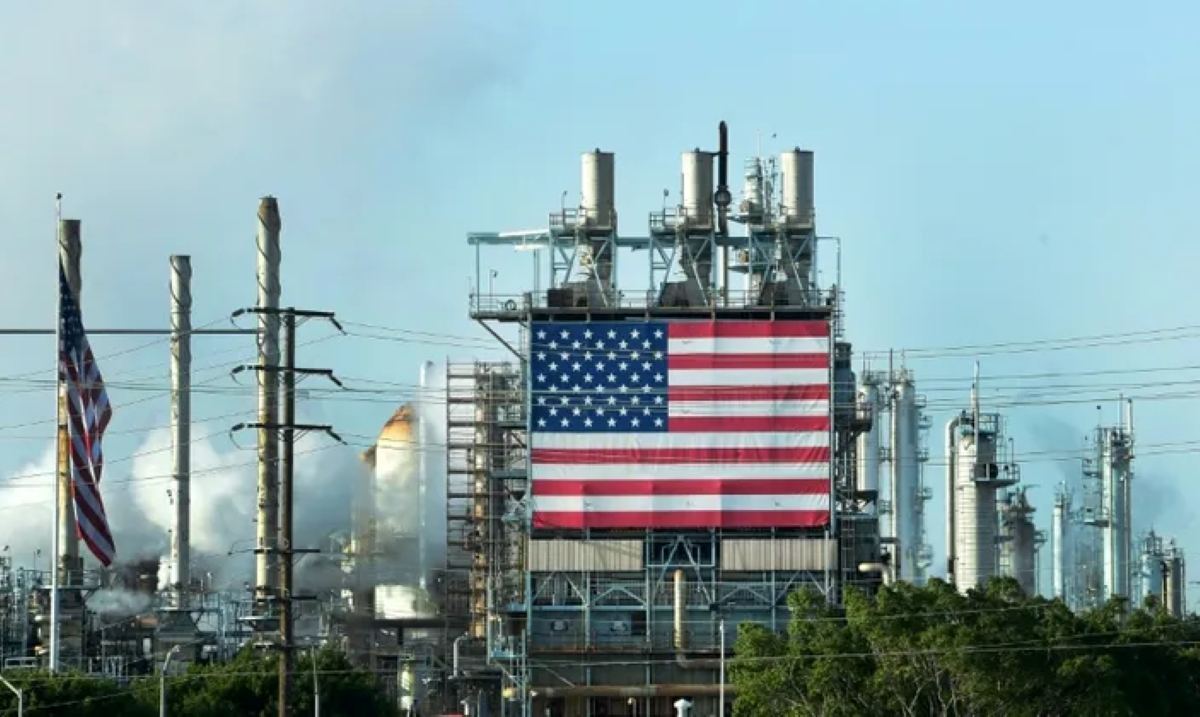
Global crude oil prices climbed above US$95 per barrel again on Wednesday, July 22, 2026, reaching the level for the first time in the past six weeks.
The sharp increase was driven by the escalating U.S.-Iran conflict in the Strait of Hormuz, compounded by new threats from the Houthi group against Saudi oil tankers transiting the Bab el-Mandeb Strait.
According to The Guardian, Brent crude briefly rose to US$95.24 per barrel before easing slightly to US$94.40 by midday, representing an increase of more than 3 percent from the previous day.
For comparison, Brent crude reached US$126 per barrel in April when the conflict first escalated, before falling as low as US$71 in early July as tensions temporarily eased.
The latest price surge came after the 11th consecutive night of U.S. strikes on Iranian territory, including attacks targeting aircraft hangars and drone storage facilities, even as diplomatic efforts to preserve a temporary ceasefire agreement continue.
U.S. President Donald Trump said the military campaign would continue to intensify in a conflict that has already cost the United States US$37.5 billion.
This month’s increase marks the fastest rise in oil prices since U.S. and Israeli strikes on Tehran first disrupted Gulf oil exports through the Strait of Hormuz in March.
Analysts at Goldman Sachs estimate that oil prices could reach US$120 per barrel by the end of the year if exports through the Strait of Hormuz are not restored promptly.
Balancing Factors and Downstream Impact
International Energy Agency (IEA) Executive Director Fatih Birol said the global oil market has so far been supported by several balancing factors.
These include the release of approximately 400 million barrels of emergency oil reserves by IEA member countries, efforts by Saudi Arabia and the United Arab Emirates to export oil through alternative routes, increased exports from oil-producing countries in Europe and the Americas, and reduced crude oil purchases by China, the world’s largest oil importer.
Although these measures have prevented prices from reaching the record levels feared at the outset of the conflict, downstream effects are beginning to emerge.
Many refineries around the world have reduced production due to slowing crude oil purchases, making supplies of transportation fuels such as diesel and gasoline considerably tighter than crude oil supplies themselves.
Birol added that although natural gas exports from the United States and Canada have replaced about 70 percent of the gas lost due to disruptions in the Strait of Hormuz, gas supplies are still expected to remain tight ahead of winter as European countries race to replenish their storage facilities.
Norwegian state-owned energy company Equinor reported that its profits nearly doubled to US$11.5 billion during the three months ending in late June, driven by soaring oil and gas prices resulting from the conflict.
On Wednesday, Trump also threatened to destroy bridges or power plants whenever Iran attacks vessels in the Strait of Hormuz.
Iranian Foreign Minister Abbas Araghchi responded on X, stating that Iran’s defense doctrine is clear—“an eye for an eye”—and emphasized that any aggression against Iran, including attacks on its infrastructure, would compel the country to deliver a strong and decisive response.***