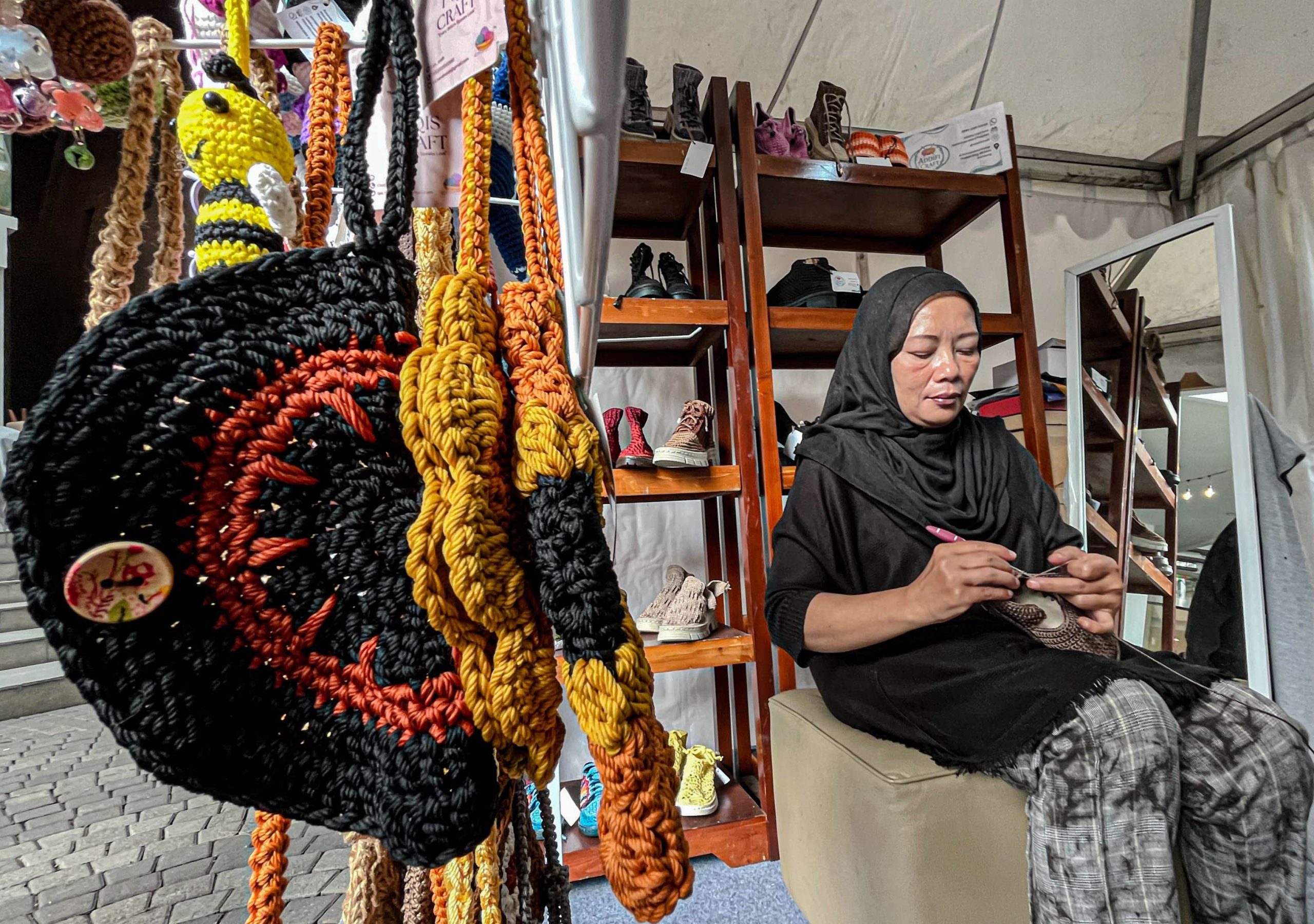
Senior Analyst at the Indonesia Strategic and Economics Action Institution (ISEAI), Ronny P. Sasmita, said expanding digital literacy among micro, small, and medium enterprises (MSMEs) is essential to accelerating the digital transformation of the sector in the era of artificial intelligence (AI).
“Over the next five years, AI has the potential to become a game changer for the transformation of Indonesia’s MSMEs, but with one major condition. If adoption is successful, AI can improve productivity, efficiency, and competitiveness, ultimately contributing to national economic growth,” Ronny said in Jakarta, as quoted by ANTARA News Agency, on Tuesday, July 14, 2026.
He believes AI has tremendous potential to improve MSME productivity. The technology can help business owners automate financial bookkeeping, manage inventory, and forecast market demand more accurately.
In marketing, AI can analyze consumer behavior, enabling businesses to conduct more targeted promotional campaigns. Meanwhile, AI-powered chatbots can improve customer service by providing faster responses without increasing labor costs.
However, Ronny noted that the low level of digital literacy among business owners remains one of the biggest obstacles to AI adoption.
According to him, most Indonesian MSMEs are still at the basic stage of digitalization, primarily using social media and online marketplaces for marketing. As a result, AI is often perceived as too complex and disconnected from their day-to-day business needs.
Ronny also highlighted several other challenges facing MSMEs, including limited human resources, restricted access to technology, implementation costs, and a lack of understanding of the business value AI can deliver.
He added that only a few sectors are currently prepared to leverage AI, mainly those already integrated into digital ecosystems. In contrast, sectors such as traditional agriculture, small-scale manufacturing, and offline businesses still require intensive assistance because they have not yet fully embraced digitalization.
“The digital literacy needed goes beyond the technical ability to use applications. What MSMEs need is business-driven digital literacy. They must understand how AI can improve efficiency, reduce costs, or increase sales,” he said.
Ronny emphasized that strong collaboration is needed to accelerate this transformation.
The government, he said, should provide supportive regulations, incentives, and infrastructure. At the same time, digital platforms are expected to develop AI services that are more affordable and user-friendly for MSMEs, while the private sector can contribute through training programs, business incubation, and financing access.
Without stronger digital literacy and more equitable access to technology, he warned, AI adoption could instead widen the gap between digitally advanced MSMEs and businesses that continue to lag behind in the digital transformation process.
DPR Calls for Stronger MSME Training Programs
Separately, Deputy Chair of House of Representatives (DPR) Commission VII, Chusnunia Chalim, urged the Ministry of MSMEs to strengthen training and mentoring programs so that Indonesian MSMEs can move up the value chain and gain greater trust from the banking sector.
She said her office had received numerous concerns from MSME owners whose businesses were operating successfully but who were still denied bank loans for various reasons, including the lack of collateral, inadequate financial reports, and incomplete business licenses.
As a result, many MSMEs have turned to informal lenders, loan sharks, and high-interest online lending platforms.
“I propose that the Ministry of MSMEs provide more training programs so business owners can improve their financial management and meet banking requirements. This initiative should be reflected in the 2027 budget,” she said.
According to Chusnunia, only about 30 percent of Indonesia’s MSMEs currently have access to bank financing.
Outstanding bank loans to MSMEs have reached Rp1.485 quadrillion, supported by a relaxation of regulations issued by the Financial Services Authority (OJK), which excludes loans below Rp1 million from credit reporting requirements to broaden financing access.
She also cited OJK data showing that, as of 2024–2025, more than half of all MSME lending nationwide was still concentrated on the island of Java.
To address this imbalance, Chusnunia proposed that the Ministry establish a dedicated task force to assess and identify MSMEs that are eligible for bank financing and capital support.***