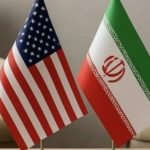
The Chinese government expressed its support for the first phase of the agreement reached by the United States and Iran. Beijing also welcomed plans to reopen shipping lanes in the Strait of Hormuz, which has been a strategic point for world trade.
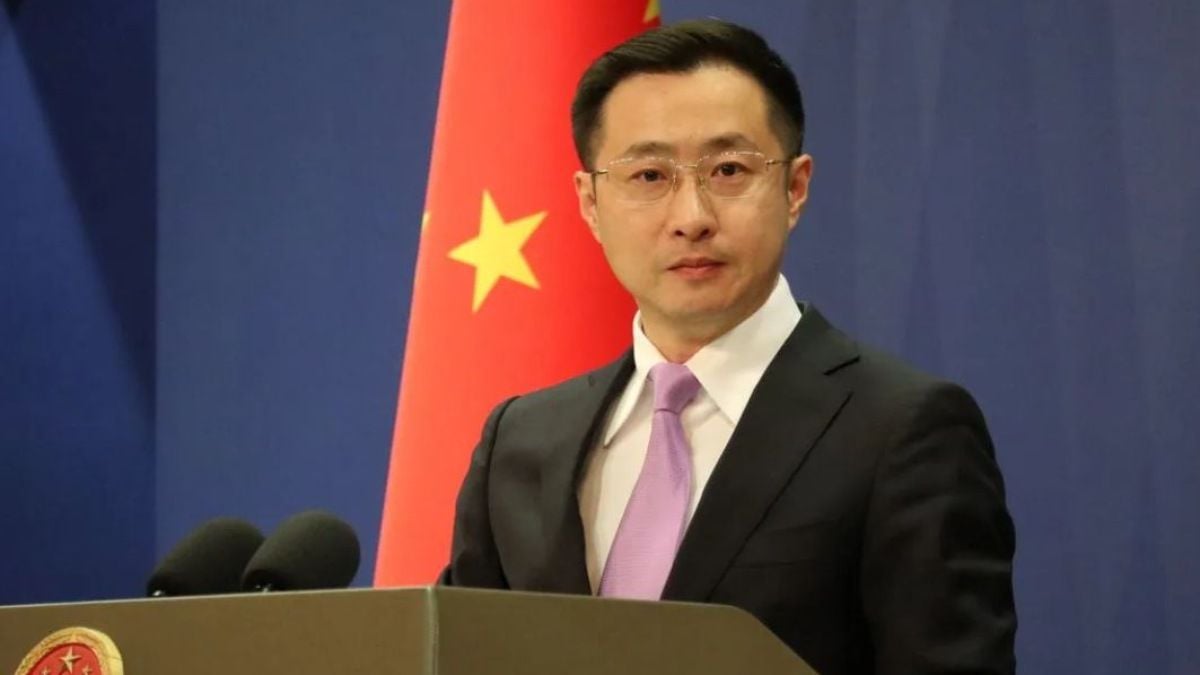
Spokesperson for the Chinese Ministry of Foreign Affairs, Lin Jian, Monday 15 June 2026 said that his country appreciates the willingness of both parties to sign a memorandum of understanding and appreciates the mediation efforts made by Pakistan.
Also read: Rp. 36.3 billion disbursed by Bandung City Government for RMP students, education is not hindered by costs
United States President Donald Trump previously announced that the deal with Iran had been completed. Through the Truth Social platform, Trump said that the Strait of Hormuz would be reopened after the US Navy blockade was lifted. However, he has not detailed the contents or mechanism for implementing the agreement.
China hopes that the memorandum of understanding document can be signed on schedule and that all parties remain committed to pursuing dialogue and negotiation to maintain peace.
According to Lin Jian, stability around the Strait of Hormuz is in the common interest of the international community. He also said that the reopening of the strait had been included in the first phase of the memorandum of understanding between Iran and the US, so it was hoped that shipping traffic could resume safely in the near future.
Also Read: BGN Tightens MBG Governance, Employees are Prohibited from Owning SPPG Kitchens, Prevents Conflicts of Interest
Beijing emphasized its readiness to continue communicating with regional countries to support the creation of peace in the Middle East. However, China did not explain whether it was directly involved in the process of reaching this agreement.
Meanwhile, Iranian Deputy Foreign Minister Kazem Gharibabadi stated that the signing of the agreement is scheduled to take place in Switzerland on Friday 19 June 2026.
The agreement is said to include a cessation of military operations on various fronts, including Lebanon, as well as a reaffirmation of Iran’s commitment to the Nuclear Non-Proliferation Treaty (NPT) not to produce nuclear weapons.
Also read: Islamic New Year is a momentum to strengthen togetherness and religious values
On the other hand, Israeli Minister of National Security Itamar Ben-Gvir emphasized that the agreement between the US and Iran is not binding on Israel.
Diplomacy remains an important way to defuse international conflicts. Although implementation challenges are still open, commitment to dialogue and respect for international law is the key to creating stability that has broad impacts, not only for the Middle East, but also for the global economy and security.***