Many people in the modern era feel frustrated because they constantly struggle to resist food cravings. When they fail to stop themselves from eating a bag of potato chips or ordering fast food late at night, they are quick to blame themselves for lacking willpower or self-discipline.
However, modern nutritional science and neurobiology have uncovered a liberating truth. According to the ZOE Science and Nutrition YouTube channel, the inability to stop eating is not a moral failing but rather a direct consequence of a modern food system deliberately engineered to override the body’s natural defense mechanisms.
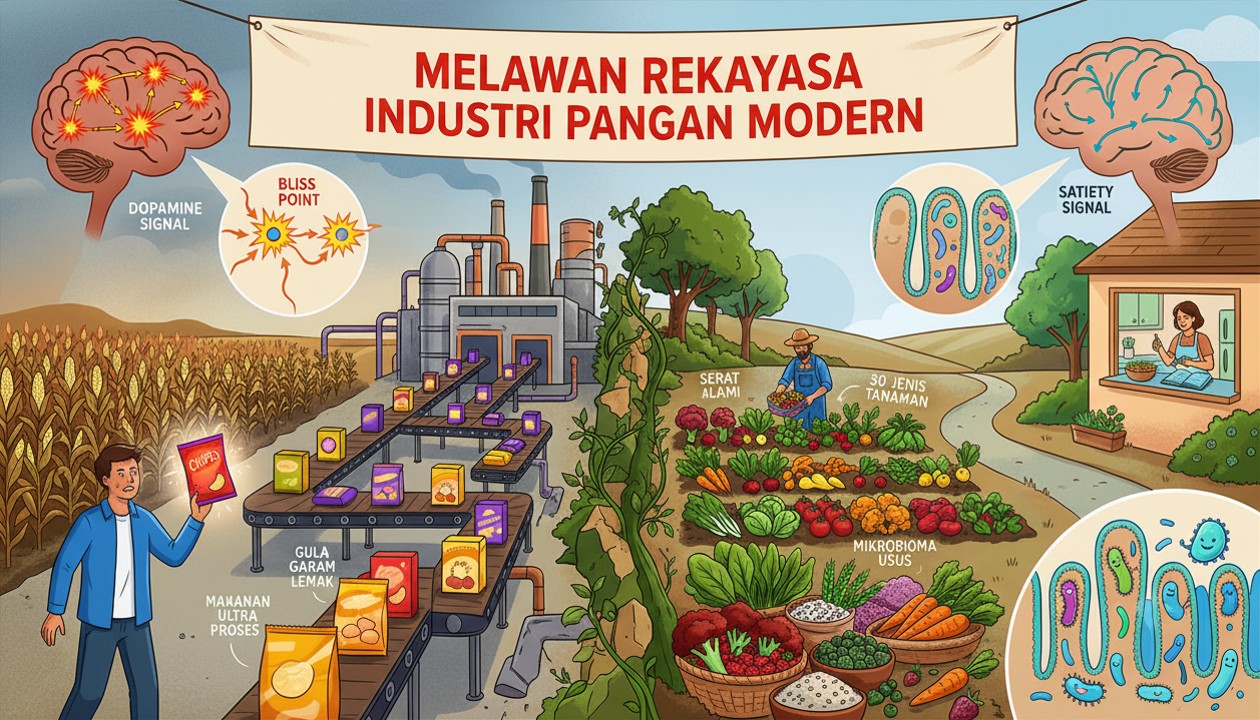
Over the past 50 years, the global food industry has undergone a dramatic transformation driven by large-scale monoculture farming, particularly of corn and soybeans. These massive agricultural operations produce concentrated starches and proteins that are then transported to factories and reassembled into ultra-processed foods (UPFs). The result is an artificial food environment dominated by commercially manufactured products that are low in nutritional value yet exceptionally addictive.
The industry’s greatest success in marketing ultra-processed foods lies in a biochemical formula known as the “bliss point.” Through precise laboratory research, food scientists engineer the perfect balance of sugar, salt, and fat. This combination is specifically designed to trigger a massive release of dopamine within the brain’s reward system. The resulting dopamine surge creates an immediate sense of pleasure that follows neurological pathways similar to those involved in substance addiction.
Even more concerning, this intense stimulation from ultra-processed foods can suppress the body’s natural satiety signals. These factory-made foods are engineered to be soft, easy to chew, and quick to swallow, leaving insufficient time for the body’s fullness signals to reach the brain. As a result, even after consuming a large number of calories, the brain may continue sending false signals that the body is still hungry.
The greatest casualty of the dominance of industrially engineered foods is the trillions of beneficial bacteria living in the human digestive tract. Ultra-processed foods are manufactured by stripping away nearly all natural dietary fiber to extend shelf life. Without an adequate supply of fiber, the diversity of protective gut bacteria declines significantly. This condition, known as dysbiosis—an imbalance in the gut microbiome—has been closely associated with disrupted appetite regulation and the development of psychological dependence on foods with a high glycemic index.
Practical Strategies
The good news is that the human body possesses an extraordinary ability to recover and adapt. To break free from dependence on ultra-processed foods, several practical strategies can be adopted.
Start by gradually cooking more meals at home to ensure your food is free from unnecessary chemical additives. When shopping, make a habit of turning products over to read the ingredient list, and avoid foods containing long lists of unfamiliar chemical names.
In addition, aim to increase dietary diversity by consuming at least 30 different types of plant-based foods each week to nourish a healthy gut microbiome. Practice eating slowly and without distractions such as smartphones or other electronic devices, giving your brain enough time to recognize fullness signals.
Finally, manage your caffeine intake wisely. Excessive caffeine consumption can mask the body’s natural fatigue signals and negatively affect sleep quality.
Consistently applying these habits is one of the most effective ways to protect long-term metabolic health and overall well-being.***